Heavy haul trucking is responsible for moving some of the largest and most challenging loads across the country. From construction machinery and industrial equipment to specialty vehicles and infrastructure components, these shipments require more than a standard trailer and truck.
Because of the size, weight, and complexity of these moves, heavy haul operations rely on specialized equipment designed to safely transport oversized and overweight assets while meeting strict transportation requirements.
Understanding the equipment used in heavy haul trucking helps businesses better plan their transportation strategy and choose the right partner for complex vehicle and equipment movement.
What Is Heavy Haul Trucking?
Heavy haul trucking refers to the transportation of oversized or overweight cargo that exceeds the standard legal limits for typical freight transportation. These loads often require specialized trailers, permits, route planning, and experienced operators.
Common heavy haul shipments include:
- Construction equipment
- Agricultural machinery
- Industrial components
- Mining equipment
- Large commercial vehicles
- Specialized fleet assets
- Infrastructure materials
Because no two heavy haul shipments are exactly alike, selecting the right equipment is essential for maintaining safety, efficiency, and compliance throughout the transportation process.
Specialized Trucks Used in Heavy Haul Operations
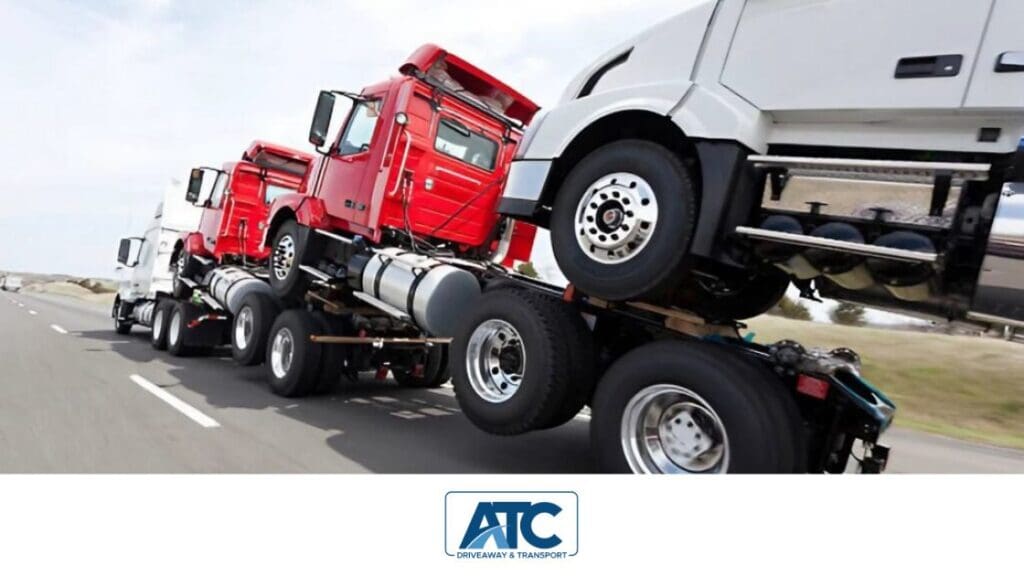
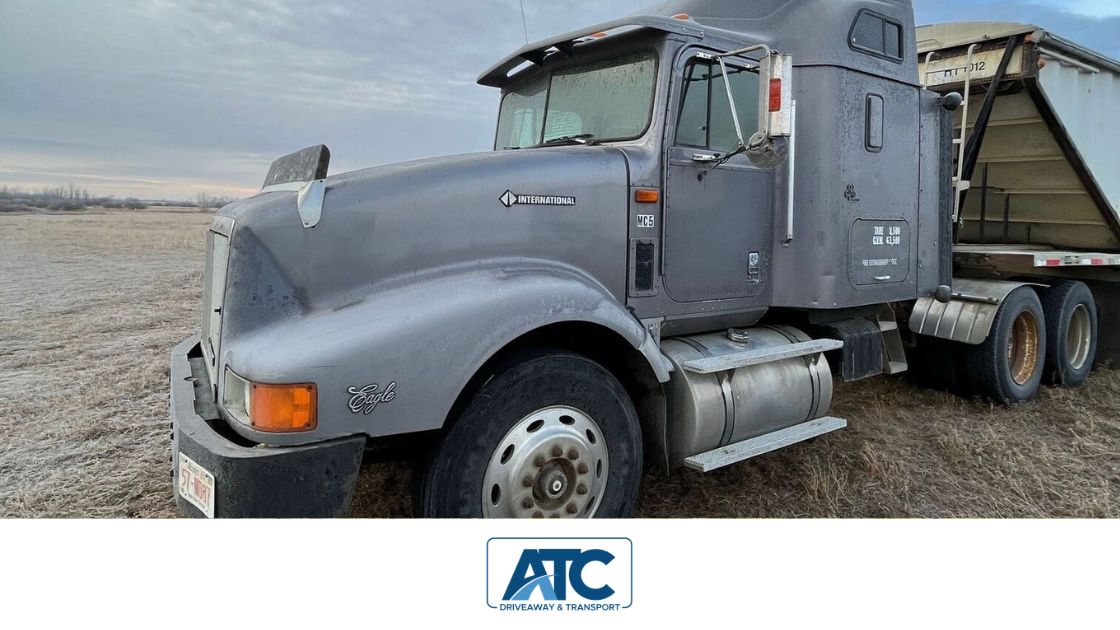
The truck itself is one of the most important parts of a heavy haul operation. These vehicles are built to handle increased weight, provide better control, and support specialized trailers.
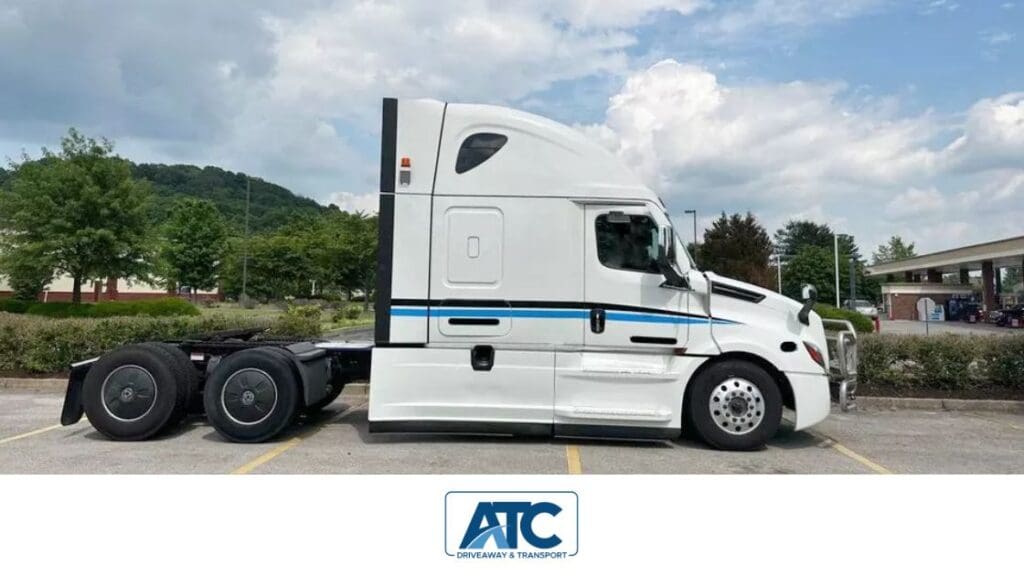
Heavy-Duty Tractor Units
Heavy-duty tractor units are designed with powerful engines, reinforced frames, and advanced braking systems to move significant weight safely.
These trucks typically include:
- High-horsepower engines
- Enhanced suspension systems
- Heavy-duty transmissions
- Increased towing capacity
- Improved stability features
The right tractor unit depends on the total weight, dimensions, and transportation requirements of the load.
Multi-Axle Trucks
For extremely heavy loads, trucks may require additional axles to distribute weight more evenly across the road.
Multi-axle configurations help:
- Support heavier cargo
- Reduce stress on individual axles
- Improve stability during transport
- Meet roadway weight requirements
Proper weight distribution is especially important when transporting equipment across multiple states with different regulations.
Types of Heavy Haul Trailers
The trailer used during a heavy haul move plays a major role in how safely and efficiently cargo can be transported.
Lowboy Trailers
Lowboy trailers are one of the most common trailer types used in heavy haul transportation.
Their low deck height allows operators to transport tall equipment while staying within height restrictions. They are frequently used for:
- Excavators
- Bulldozers
- Cranes
- Large construction equipment
By lowering the cargo closer to the road, lowboy trailers improve stability and allow larger equipment to move more efficiently.
Flatbed Trailers
Flatbed trailers provide flexibility for many oversized shipments because they allow easy loading and unloading from multiple directions.
They are commonly used for:
- Machinery
- Building materials
- Oversized components
- Commercial equipment
Flatbeds are especially useful when cargo dimensions vary or specialized loading methods are required.
Extendable Trailers
Some loads are too long for standard trailers. Extendable trailers, sometimes called stretch trailers, can be expanded to accommodate longer cargo.
These trailers are often used for:
- Large structural components
- Industrial equipment
- Long machinery parts
- Specialized transportation projects
Their adjustable design helps transport oversized items while maintaining proper support.
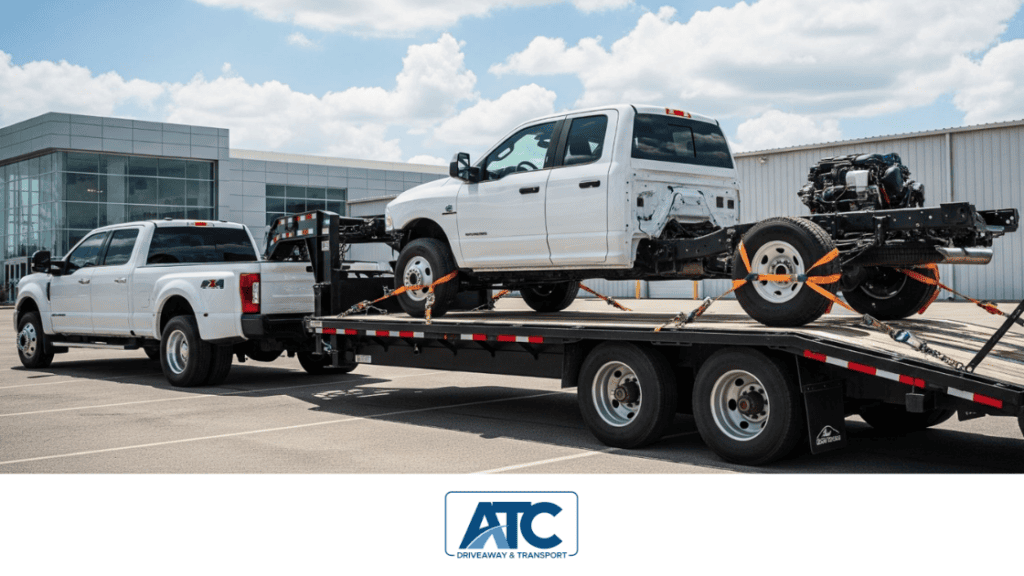
Multi-Axle Trailers
Multi-axle trailers are designed for some of the heaviest transportation needs. Additional axles help distribute weight and improve stability.
These trailers are commonly used for extremely heavy equipment and industrial shipments where standard trailers cannot provide enough capacity.
Additional Equipment Used in Heavy Haul Transportation
Heavy haul operations often require more than just a truck and trailer. Additional equipment and support resources help ensure safe movement from pickup to delivery.
Escort Vehicles
Oversized loads may require pilot cars or escort vehicles depending on state regulations and shipment dimensions.
Escort vehicles help:
- Warn other drivers
- Improve roadway safety
- Assist with navigation
- Support communication during transport
Requirements vary by state, making route planning and compliance knowledge critical.
Cranes and Loading Equipment
Many heavy haul shipments require specialized loading equipment to safely place cargo onto trailers.
Examples include:
- Mobile cranes
- Hydraulic lifting systems
- Loading ramps
- Specialized rigging equipment
Proper loading techniques help prevent damage and ensure cargo remains secure throughout transportation.
Tie-Down and Securement Equipment
Cargo securement is one of the most important parts of heavy haul transportation.
Operators use equipment such as:
- Chains
- Binders
- Straps
- Specialized restraints
Federal and state regulations outline specific requirements for securing different types of cargo. Proper securement helps protect the shipment, drivers, and other motorists.
Why Equipment Selection Matters in Heavy Haul Transportation
Choosing the right equipment is about more than simply moving a large load. The wrong equipment choice can create unnecessary delays, safety concerns, and compliance issues.
Proper equipment selection helps:
- Reduce transportation risks
- Improve delivery timelines
- Protect valuable assets
- Meet state and federal regulations
- Avoid unexpected complications
Heavy haul transportation requires careful planning before the shipment ever reaches the road.
The Importance of Experience in Heavy Haul Operations
While specialized equipment is essential, successful heavy haul transportation depends just as much on experience and planning.
A reliable transportation partner understands how to coordinate:
- Equipment selection
- Route requirements
- Permitting needs
- Driver qualifications
- Delivery schedules
- Communication between all parties
Every shipment comes with unique challenges, and having a knowledgeable team helps ensure those challenges are handled before they become problems.
How ATC Supports Complex Vehicle Transportation
At ATC, we understand that moving large and specialized assets requires more than simply getting a vehicle from one location to another. It requires coordination, experience, and a transportation strategy built around your operational needs.
Our nationwide transportation solutions support businesses moving fleet vehicles, commercial assets, and specialty equipment throughout the United States. With experienced drivers, dedicated coordination, and a focus on reliable service, ATC helps businesses keep their operations moving.
Whether you need to relocate fleet assets, transport specialty vehicles, or develop a transportation plan for complex equipment movement, ATC is ready to help.
Contact ATC today to learn more about our nationwide vehicle transportation and driveaway services and discover how we can support your fleet movement needs.