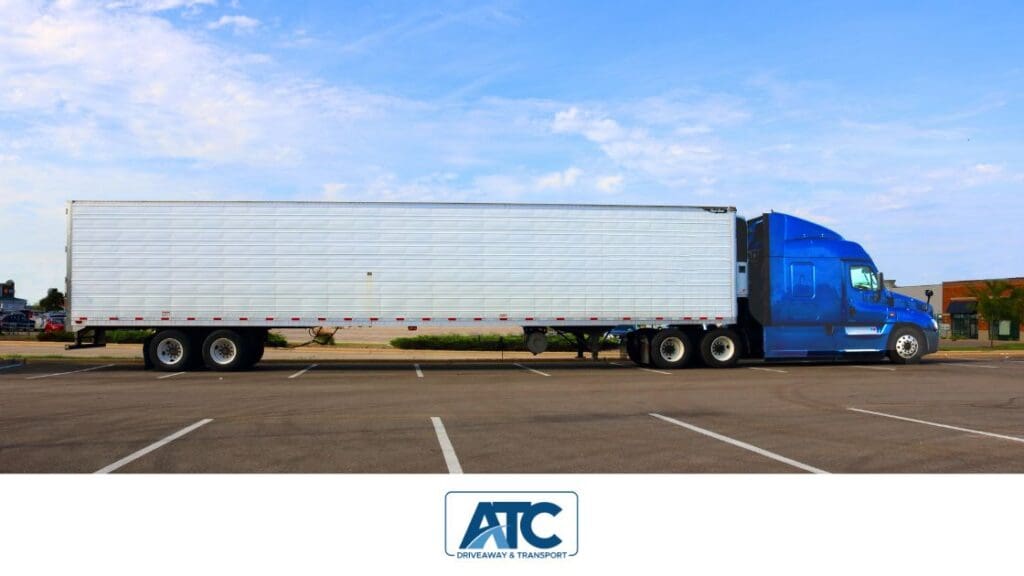
Diesel fuel is one of the fundamental costs of moving equipment and freight by truck, which means changes at the pump can quickly become a concern throughout the transportation industry.
In September 2026, the U.S. Energy Information Administration (EIA) reported that tight global distillate supplies and elevated crude oil prices had pushed U.S. retail diesel prices higher. The EIA also noted that high diesel prices can contribute to higher on-road and rail freight costs for goods.
For businesses that regularly move commercial trucks, construction equipment, heavy machinery, or specialized vehicles, understanding the impact of diesel prices can make transportation planning even more important.
Why Do Diesel Prices Change?
There isn’t one single factor behind the price businesses and drivers see at the pump.
According to the EIA, diesel prices are affected by crude oil prices, refining margins, distribution costs, retail margins, and federal and state taxes. Global supply conditions can also influence prices in the United States.
That combination of factors means fuel prices can change even when transportation demand remains relatively consistent.
For businesses that depend on transportation, those changes can eventually show up in the cost of moving vehicles and equipment.
Higher Diesel Prices Increase Transportation Costs
The connection between diesel and trucking is fairly straightforward: trucks require fuel to move.
When diesel becomes more expensive, the cost associated with covering hundreds or thousands of miles increases. The EIA specifically notes that high diesel prices can contribute to higher on-road freight costs.
The impact can extend well beyond traditional cargo.
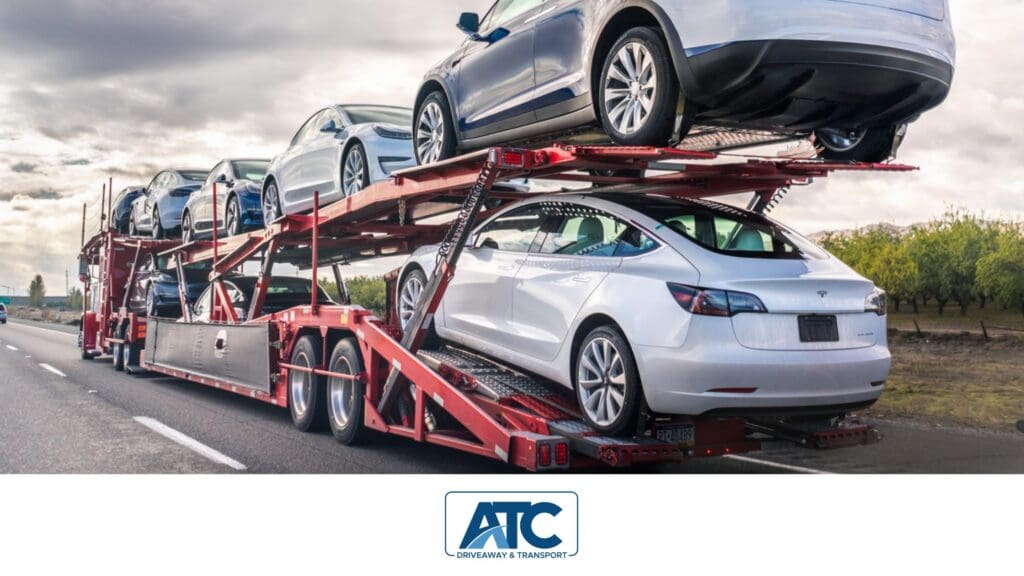
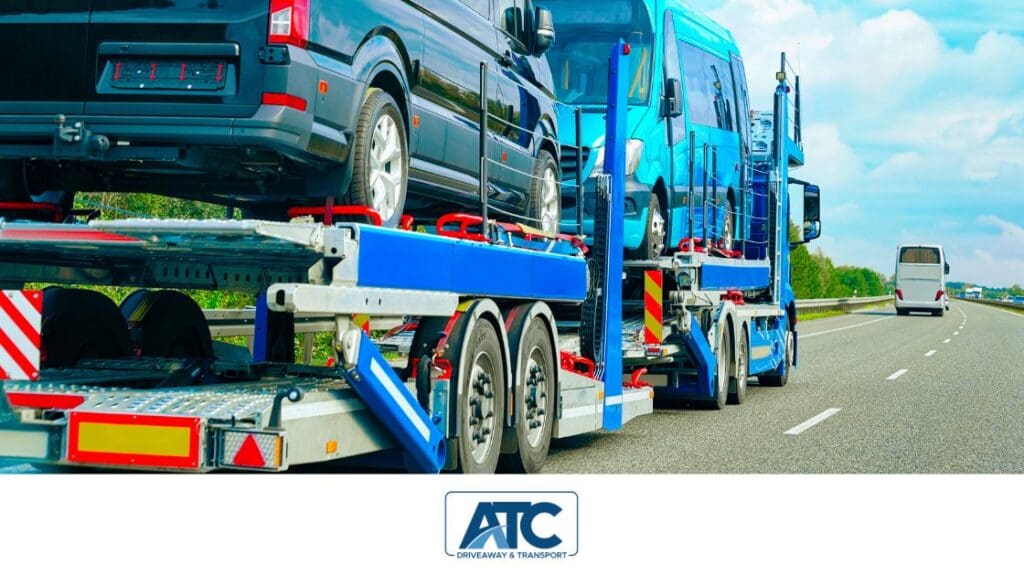
Commercial trucks still need to be relocated. Construction equipment needs to reach jobsites or new owners. Heavy machinery needs to move between facilities. Specialized vehicles need to be delivered.
All of those moves operate within the same broader transportation environment affected by changing fuel costs.
Fuel Costs Can Influence Transportation Pricing
Changing diesel costs can also affect what customers ultimately pay for transportation.
Fuel surcharges are one mechanism used within the transportation industry to account for fluctuations in fuel prices. The EIA tracks diesel pricing information and provides resources specifically related to diesel fuel surcharges.
For businesses arranging transportation, this makes it important to look beyond a base transportation rate and understand the overall cost of a move.
When fuel prices are especially volatile, transportation budgeting can become more challenging as well.
The Effects Reach Beyond Traditional Fleets
Discussions about diesel prices often focus on tractor-trailers and freight carriers, but the effects are relevant to many other industries.
Construction companies may need excavators, loaders, or other machinery transported between locations. Dealers and manufacturers may need commercial vehicles delivered. Rental businesses may need to reposition equipment. Companies may also need to relocate specialized vehicles and assets that cannot simply be driven to their destination.
ATC works across these types of transportation needs, providing options for commercial vehicles, construction equipment, heavy machinery, specialized vehicles, and other assets.
When the cost of trucking changes, businesses throughout these industries have a reason to pay attention.
Route Planning Becomes Even More Important
When diesel is expensive, inefficient transportation becomes even more costly.
For businesses, thoughtful planning can help minimize unnecessary complications. Having accurate pickup and delivery information, knowing the dimensions and weight of the equipment, communicating scheduling requirements, and determining the appropriate transportation method before the move begins can all contribute to a better-organized shipment.
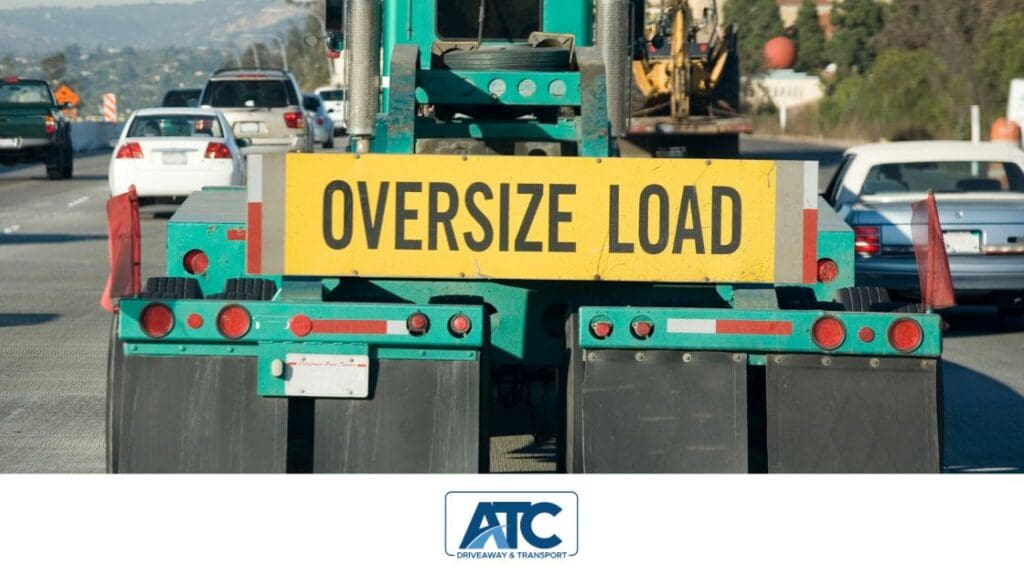
This is particularly important when transporting heavy or specialized equipment that may require specific trailer configurations or additional planning.
Choosing the Right Way to Move Equipment
Not every vehicle or piece of equipment should be transported in the same way.
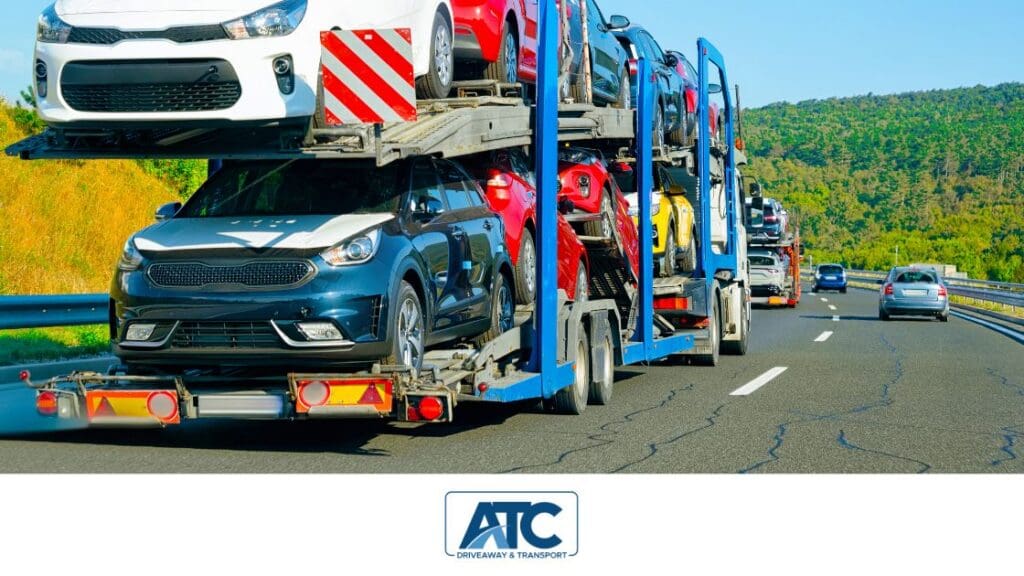
A road-ready commercial vehicle may be suitable for driveaway, where the vehicle is driven to its destination under its own power. Other vehicles, construction equipment, heavy machinery, or specialized assets may need to be transported.
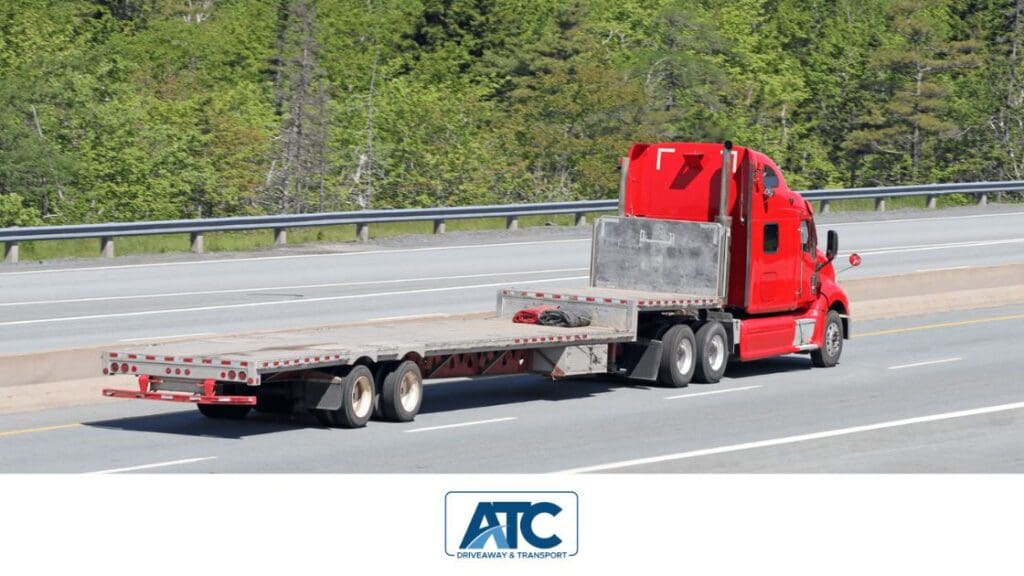
For equipment that needs to be hauled, the appropriate solution could depend on its dimensions, weight, configuration, and other requirements.
Having access to different transportation options allows businesses to choose a solution based on the actual asset being moved rather than trying to fit every move into the same model.
Why Transportation Planning Matters When Diesel Prices Rise
Businesses cannot control the price of diesel. What they can control is how they plan transportation.
Knowing what needs to move, when it needs to arrive, and what type of transportation it requires gives businesses a better foundation for making decisions.
That becomes particularly important when transportation costs are under pressure. Instead of treating vehicle and equipment movement as an afterthought, businesses can incorporate it into their purchasing, project, fleet, and operational planning earlier.
Keep Your Vehicles and Equipment Moving With ATC
Diesel prices may rise and fall, but businesses still need to get trucks and equipment where they’re needed.
ATC provides driveaway and transport solutions for commercial trucks, construction equipment, heavy machinery, specialized vehicles, and more. Whether you’re relocating one vehicle or coordinating a larger transportation project, ATC can help determine the right solution for the move.
Need to move a truck, piece of heavy equipment, or specialized vehicle? Contact ATC to discuss your transportation needs and keep your equipment moving.