When businesses need to move vehicles across the country, many automatically think of hauling them on a trailer. However, for many fleet, commercial, and specialty vehicle moves, driveaway auto transport can be a faster, more efficient solution.
At ATC, we help companies move fleet vehicles, utility vehicles, service vehicles, buses, box trucks, and other commercial assets through professional driveaway services. But how exactly does driveaway auto transport work?
Let’s get into it.
What Is Driveaway Auto Transport?
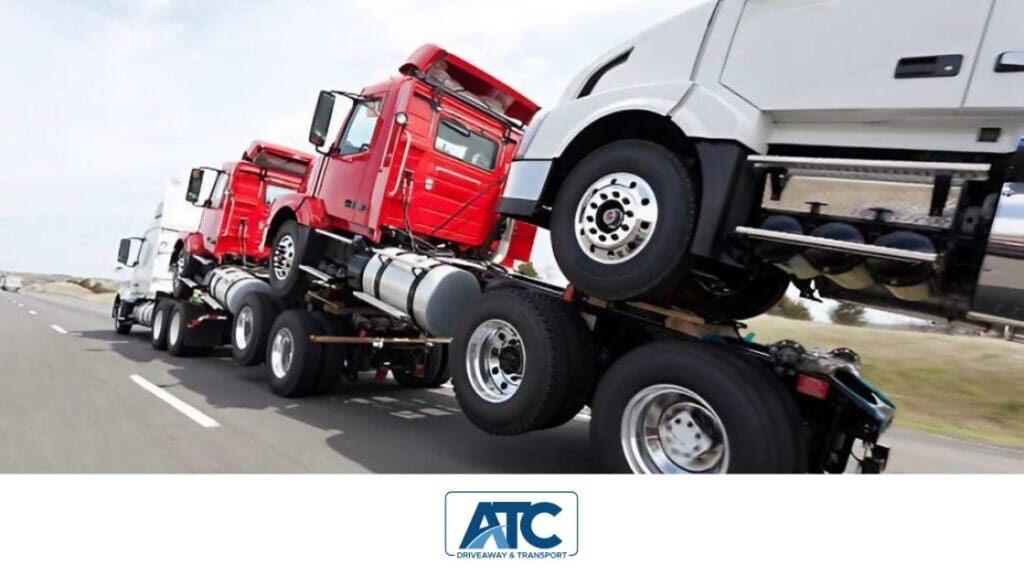
Driveaway auto shipping is the process of transporting a vehicle by a qualified and insured driver to drive it from pickup to destination.
The driver drives the vehicle on public roads without it being loaded onto a trailer and delivers it directly to the client.
This type of transportation is often used for:
- Fleet vehicles
- Utility vehicles
- Service trucks
- Bucket vehicles
- Vans
- Box trucks
- Commercial vehicles
- Municipal vehicles
- New vehicle deliveries
- Fleet relocations
For many businesses, driveaway transportation offers a practical alternative to traditional vehicle hauling.
How Does the Driveaway Process Work?
1. Transportation Is Scheduled
The process begins when a customer requests transportation.
ATC gathers information such as:
- Pickup location
- Delivery location
- Vehicle type
- Transportation timeline
- Special requirements
Once the move is scheduled, the transportation plan is coordinated with both locations.
2. A Qualified Driver Is Assigned
A designated driver is picked according to the type of vehicle, route, and delivery.
It’s important for experienced drivers to handle larger commercial vehicles such as:
- Utility vehicles
- Service body trucks
- Commercial fleet vehicles
- Specialty equipment
The driver receives all necessary documentation and transportation instructions before the move begins.
3. Vehicle Inspection Is Finished
Prior to each trip, the vehicle gets a detailed vehicle inspection.
The inspection often features:
- Existing damage documentation
- Odometer reading
- Fuel level verification
- Vehicle condition assessment
- Photos and records
This creates a detailed record of the vehicle’s condition before transport.
4. The Vehicle Is Driven to Its Destination
Once the inspection is complete, the driver begins transportation.
Compared with trailer transport, the vehicle is driven directly to the destination without the use of a trailer.
Customers are kept up to date on progress with communication and status updates during the voyage.
5. Delivery Inspection Is Carried Out
When the driver arrives, a final inspection is conducted.
The receiving party verifies:
- Vehicle condition
- Mileage
- Delivery paperwork
- Arrival details
Once approved, the transportation process is complete.
Why Companies Choose Driveaway Transport
Cost Efficiency
For many commercial vehicles, driveaway transportation can reduce transportation costs compared to specialized hauling equipment.
Faster Availability
Vehicles often arrive ready for immediate use without requiring unloading from a trailer.
Ideal for Fleet Relocations
Companies often turn to driveaway services to move a number of different vehicles when changing locations.
Typical driveaway services include:
- Utility fleet deployments
- Rental fleet transfers
- Municipal fleet moves
- Corporate fleet relocations
A Schedule That’s Flexible
Move one vehicle at a time or an entire fleet using driveaway transportation.
What Vehicles Can Be Transported?
ATC regularly helps customers transport:
- Utility vehicles
- Bucket vehicles
- Service trucks
- Cargo vans
- Sprinter vans
- Fleet sedans
- Pickup trucks
- Box trucks
- Commercial vehicles
- Municipal fleet vehicles
Each move is carefully planned to ensure safe and efficient delivery.
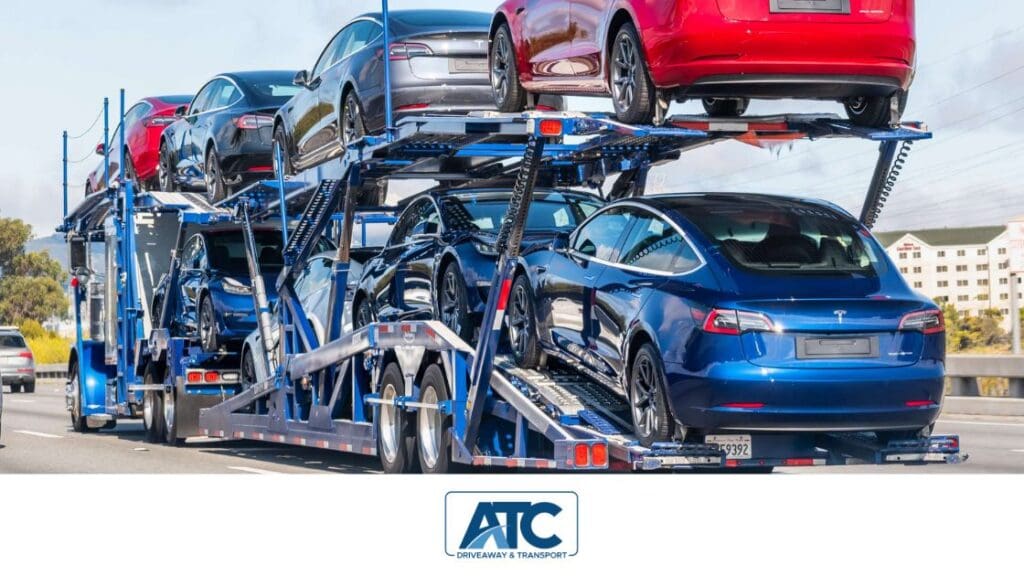
Driveaway vs. Trailer Transport
Both transportation methods have advantages depending on the vehicle and situation.
Driveaway transport is often best when:
- The vehicle is operational
- Immediate delivery is needed
- Fleet vehicles need to be relocated
- Large numbers of vehicles are being moved
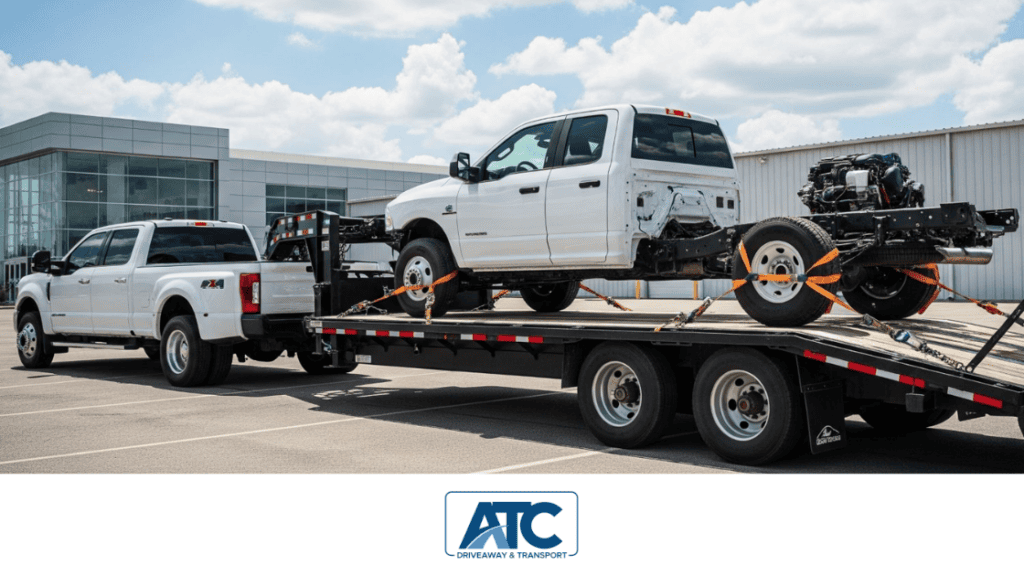
Trailer transport may be preferred when:
- The vehicle is inoperable
- The vehicle has extremely low mileage requirements
- Specialized hauling is required
Choosing the right transportation solution for your needs should be a consideration an experienced transportation partner can assist you with.
Why Work With ATC?
ATC specializes in transporting fleet vehicles, commercial trucks, utility equipment, and specialty vehicles across the U.S.
We understand how difficult it can be to coordinate the movement of vehicles, and we pride ourselves on delivering excellent customer service, timely delivery, and transparent communication from start to finish.
Conclusion
Driveaway auto transport is an easy, hassle-free way to move operational vehicles from one point to another. Utilizing professional drivers instead of using a trailer or semi-truck gives drivers more flexibility, eliminates many logistical hassles, and helps keep moving vehicles on the road. Whether you’re relocating a fleet, delivering new vehicles, or moving utility equipment to a job site, ATC can help you get there.