Drayage is a critical part of modern logistics, helping move freight between ports, rail yards, warehouses, and distribution centers. While drayage typically covers only a short distance, it plays a major role in keeping goods moving efficiently throughout the supply chain. Without drayage, containers can become stuck at transportation hubs, creating delays, higher costs, and disruptions to delivery schedules.
In today’s interconnected freight network, drayage serves as the bridge between different transportation modes. According to the Association of American Railroads, freight rail moves nearly 59 tons of freight per American annually, and intermodal transportation continues to be a key component of freight movement across the United States.
Understanding it can help businesses improve logistics planning, reduce delays, and maintain efficient supply chain operations.
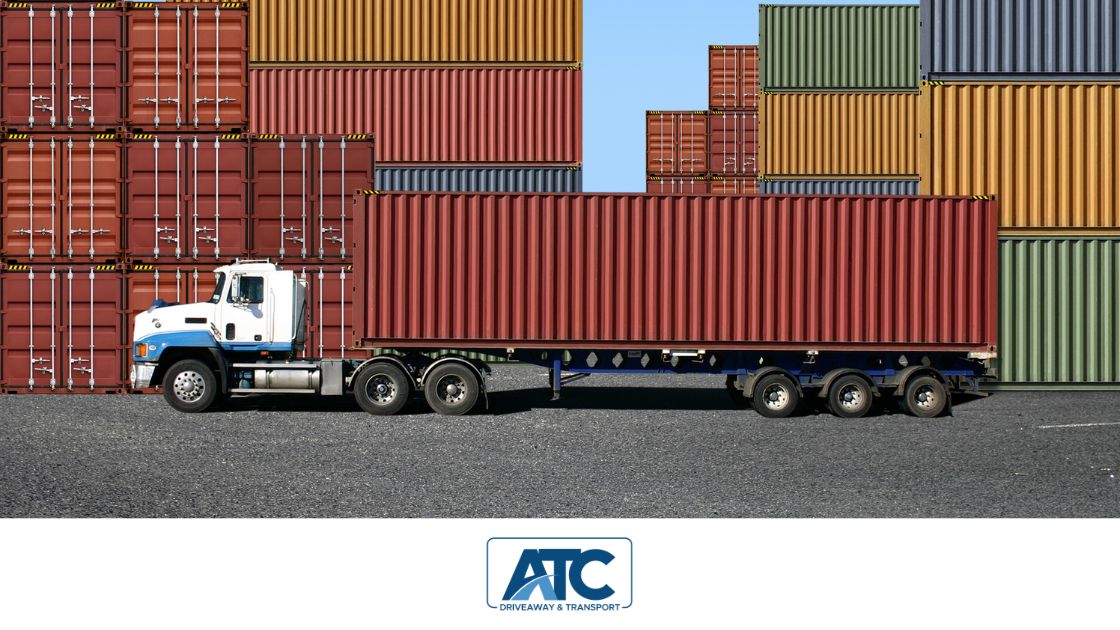
What Is the Definition of Drayage?
Quite simply, it is the transportation of freight over a short distance as part of a longer shipping journey.
A common example occurs when a shipping container arrives at a seaport and needs to be transported to a nearby rail yard, warehouse, or distribution center before continuing toward its final destination.
In simple terms, it connects different segments of the freight transportation process.
Examples include:
- Moving containers from a port to a warehouse
- Transporting freight from a rail terminal to a distribution center
- Relocating containers between transportation hubs
- Delivering containers from an intermodal terminal to a final destination
Although the distances involved are typically short, it is one of the most important links in the logistics chain.
Drayage in Logistics
To understand how it ties into logistics, it helps to look at how freight moves through the supply chain.
A shipment may travel:
- By cargo ship across an ocean
- By rail across multiple states
- By truck to a distribution center
- By local carrier to its final destination
Drayage is the short-haul movement that occurs between these transportation methods.
Without it, freight would have difficulty moving seamlessly between ports, rail networks, warehouses, and trucking operations.
Where Did the Term Drayage Come From?
The term comes from the word “dray.”
Historically, a dray was a low-sided wagon used to transport heavy goods over short distances.
While transportation equipment has evolved significantly, the purpose remains the same today: moving freight efficiently between transportation hubs.
Modern providers use commercial trucks, specialized equipment, and advanced logistics technology to perform these short-haul movements.
Why Is Drayage Important?
Although it typically covers only a few miles, it has a significant impact on supply chain performance.
Benefits of Drayage
Effective drayage helps businesses:
- Keep freight moving efficiently
- Reduce delays between transportation modes
- Improve supply chain visibility
- Support intermodal shipping
- Meet customer delivery expectations
- Reduce congestion at ports and terminals
Without it, containers may sit idle at transportation facilities, creating delays throughout the supply chain.
What Is Intermodal Drayage?
Intermodal is one of the most common types.
Intermodal transportation involves moving freight using multiple modes of transportation during a single shipment.
Examples include:
- Ship to truck
- Rail to truck
- Truck to rail
- Port to warehouse
Intermodal ensures freight successfully moves between these transportation methods.
According to the Association of American Railroads, railroads and trucking companies work together through intermodal transportation to create a more efficient freight network that supports domestic and international trade.
Common Types of Drayage
There are several types, each serving a specific purpose within the supply chain.
Pier Drayage
Pier drayage moves freight between rail facilities and ports.
This type of drayage is commonly used for import and export shipments.
Inter-Carrier Drayage
Inter-carrier drayage involves transferring freight between two different transportation providers.
Door-to-Door Drayage
Door-to-door drayage delivers freight from a transportation hub directly to the customer’s final destination.
Shuttle Drayage
Shuttle drayage moves containers to temporary storage locations when terminals experience congestion.
Expedited Drayage
Expedited drayage is used for urgent shipments that require immediate transportation with minimal delays.
Each type helps improve overall supply chain efficiency.
How Drayage Supports Supply Chains
The value of drayage extends well beyond moving containers a short distance.
Industries that rely on drayage include:
- Manufacturing
- Retail
- Construction
- Automotive
- Agriculture
- Import and export businesses
- Distribution and warehousing
Efficient drayage helps these industries maintain inventory flow, reduce delivery delays, and improve operational performance.
As supply chains become more interconnected, the importance continues to grow.
Challenges Facing Drayage Operations
While drayage is essential, it can also present challenges.
Common obstacles include:
- Port congestion
- Driver shortages
- Equipment availability
- Traffic congestion
- Weather disruptions
- Scheduling delays
Companies that partner with experienced providers are often better positioned to navigate these challenges and maintain efficient freight movement.
Why Reliable Drayage Matters
Choosing the right provider can have a major impact on transportation performance.
Reliable services help businesses:
- Reduce freight delays
- Improve delivery timelines
- Maintain inventory levels
- Increase supply chain visibility
- Support customer satisfaction
Strong coordination ensures freight continues moving smoothly between each stage of the shipping process.
ATC’s Commitment to Transportation Excellence
At ATC, we understand that every stage of transportation matters. While it may represent only a small portion of a shipment’s overall journey, its impact on delivery performance and supply chain efficiency is significant.
Effective transportation planning, reliable carriers, and strong logistics management help ensure freight reaches its destination safely, efficiently, and on time.
Frequently Asked Questions
What is drayage?
It is the short-distance transportation of freight between transportation hubs such as ports, rail yards, warehouses, and distribution centers.
Why is it important?
Because it helps connect different shipping methods and ensures freight moves efficiently through the supply chain.
What is intermodal drayage?
Intermodal refers to moving freight between transportation modes, such as rail-to-truck or ship-to-truck transfers.
What industries use These services?
Industries including manufacturing, retail, automotive, agriculture, construction, and logistics regularly depend on these services.
How far does drayage typically travel?
Most moves cover relatively short distances, typically between transportation hubs within the same region.
What are the main types of drayage?
The primary types include pier, inter-carrier, door-to-door, shuttle, and expedited.
Conclusion
Drayage is the short-haul transportation service that connects ports, rail terminals, warehouses, and distribution centers within the larger freight journey. While it may only account for a small portion of a shipment’s overall distance, it is essential for maintaining supply chain efficiency and supporting intermodal transportation.
By understanding how it works, businesses can make better logistics decisions, reduce delays, and improve freight movement throughout their supply chains. As transportation networks continue to evolve, the role will remain critical to keeping freight moving efficiently across the country.