Transportation comes with plenty of terminology, and pounds per cubic foot, commonly abbreviated as PCF, is one measurement businesses may encounter when discussing freight.
PCF is a measurement of density. It describes how many pounds of weight are contained within one cubic foot of space.
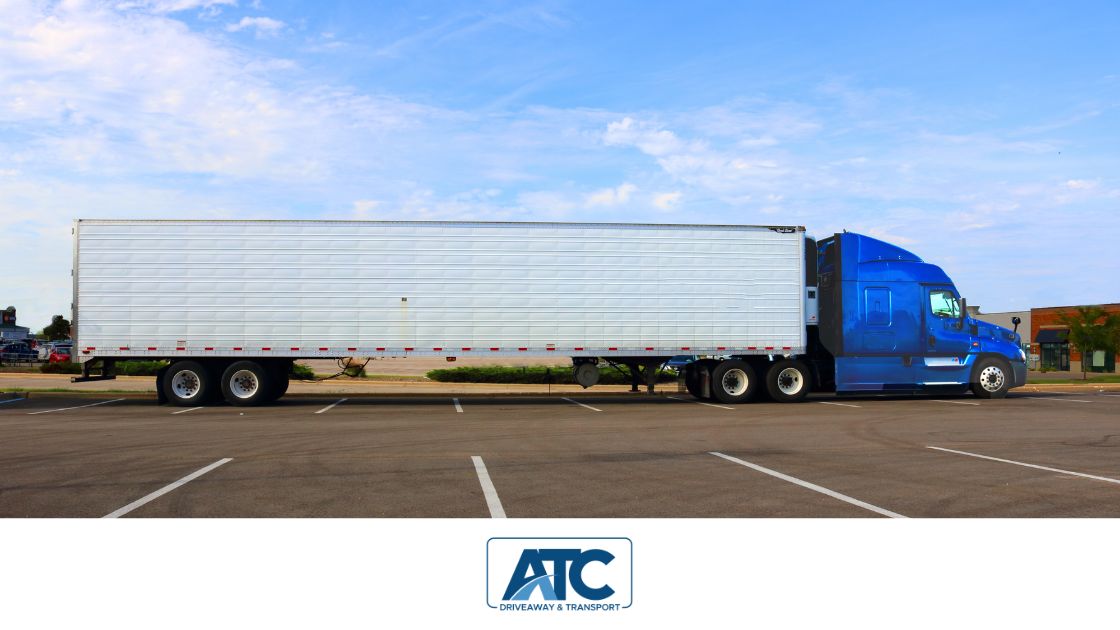
Understanding PCF can help shippers better understand the relationship between a shipment’s weight and its physical size. This is especially useful when comparing dense, compact freight with larger items that take up substantial space without weighing as much.
What Does Pounds Per Cubic Foot Mean?
Pounds per cubic foot measures how much something weighs relative to the amount of space it occupies.
The basic calculation is:
PCF = Total Weight in Pounds ÷ Total Volume in Cubic Feet
For example, imagine a shipment weighs 2,000 pounds and occupies 100 cubic feet.
2,000 ÷ 100 = 20 PCF
That means the shipment has a density of 20 pounds per cubic foot.
A higher PCF generally indicates that more weight is concentrated into a smaller amount of space. A lower PCF indicates that the shipment takes up more space relative to its weight.
How Do You Calculate Cubic Feet?
Before calculating PCF, you need to know the cubic volume of the shipment.
For a rectangular item, multiply:
Length × Width × Height
If your measurements are in feet, the result will be cubic feet.
If measurements are provided in inches, you can first calculate the total cubic inches and then divide by 1,728, the number of cubic inches in one cubic foot.
Once you have the shipment’s total cubic feet, divide its weight in pounds by that number to calculate PCF.
Why Does PCF Matter in Transportation?
Weight isn’t the only factor that matters when transporting something. Space matters too.
Consider two shipments that both weigh 5,000 pounds. One might be compact machinery that occupies relatively little trailer space, while another might consist of much larger items that occupy substantially more room.
Their weights may be identical, but their densities are not.
PCF provides another way to understand that relationship.
For anyone planning transportation, accurate information about a shipment’s weight and dimensions can also help a transportation provider understand what is being moved and determine an appropriate solution.
PCF and Heavy Equipment Transportation
When you’re moving construction equipment, heavy machinery, commercial vehicles, or specialized equipment, PCF may not tell the whole story.
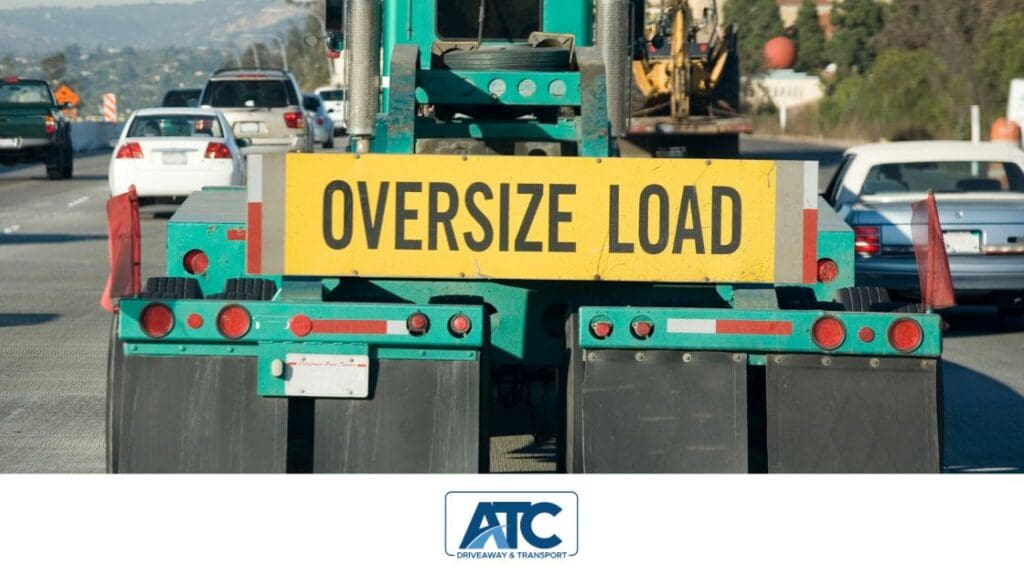
Heavy equipment transportation typically requires consideration of the actual characteristics of the asset. Height, width, length, weight, configuration, operating condition, attachments, pickup location, and destination can all be important when planning a move.
A large construction machine, for example, may require a particular trailer because of its dimensions rather than its density alone.
That is why accurate equipment specifications are important when requesting transportation.
Weight and Dimensions Can Affect Trailer Selection
ATC transports many types of vehicles and equipment, and different loads may require different transportation solutions.
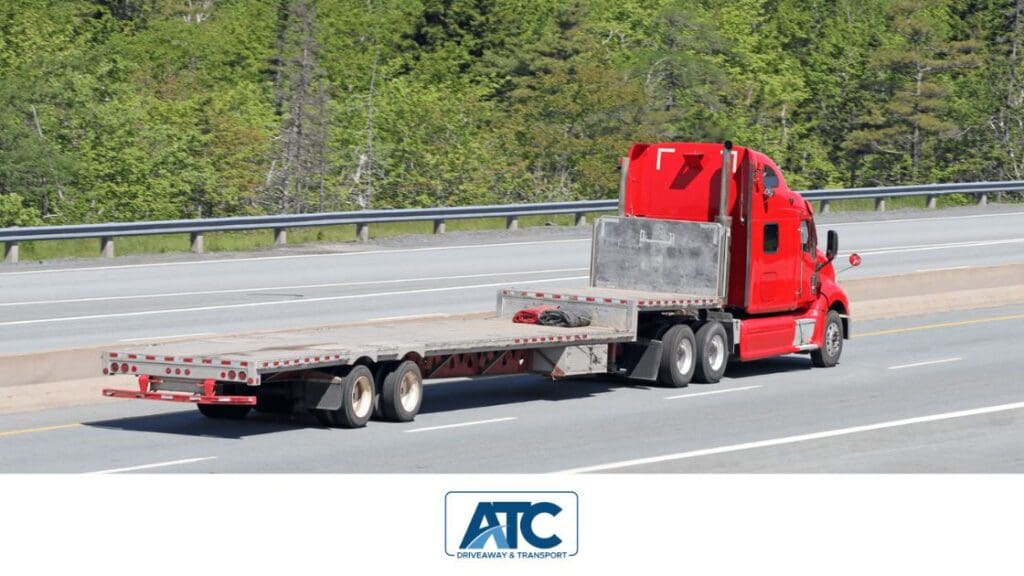
Depending on the equipment, a flatbed, step deck, lowboy, or another specialized transportation option may be appropriate.
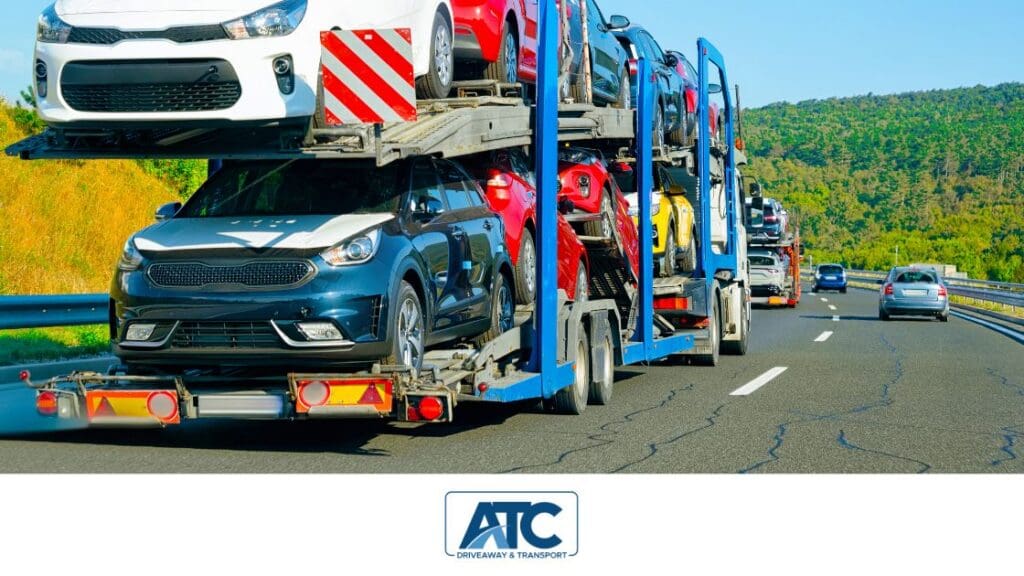
Tall equipment may benefit from a lower trailer deck. Large or unusually configured machinery may have other transportation considerations. Road-ready commercial vehicles may also be candidates for driveaway rather than being hauled on a trailer.
The goal is to match the transportation solution to the asset rather than assuming one method works for every move.
PCF Is Only One Part of the Transportation Picture
Pounds per cubic foot is a useful way to describe density, but transportation planning involves more than a single calculation.
If you’re preparing to move commercial equipment, it helps to have accurate information available about:
Weight: How much does the equipment or shipment weigh?
Height: How tall will the equipment be when prepared for transport?
Width: Does the equipment extend beyond standard dimensional limits?
Length: How much trailer space could be required?
Configuration: Are there attachments, modifications, or unusual characteristics that affect its dimensions?
The more accurate the information is at the beginning, the easier it is to evaluate transportation requirements.
Move Your Equipment With ATC
Whether you’re moving commercial trucks, construction equipment, heavy machinery, specialized vehicles, or other large assets, ATC can help determine a transportation solution that fits the move.
ATC provides driveaway and transport services, giving businesses flexible options for moving different types of vehicles and equipment from one location to another.
From an individual piece of equipment to larger transportation projects, ATC helps businesses get their assets where they need to go.
Have equipment or a commercial vehicle that needs to move? Contact ATC to discuss the weight, dimensions, route, and transportation requirements for your next project.