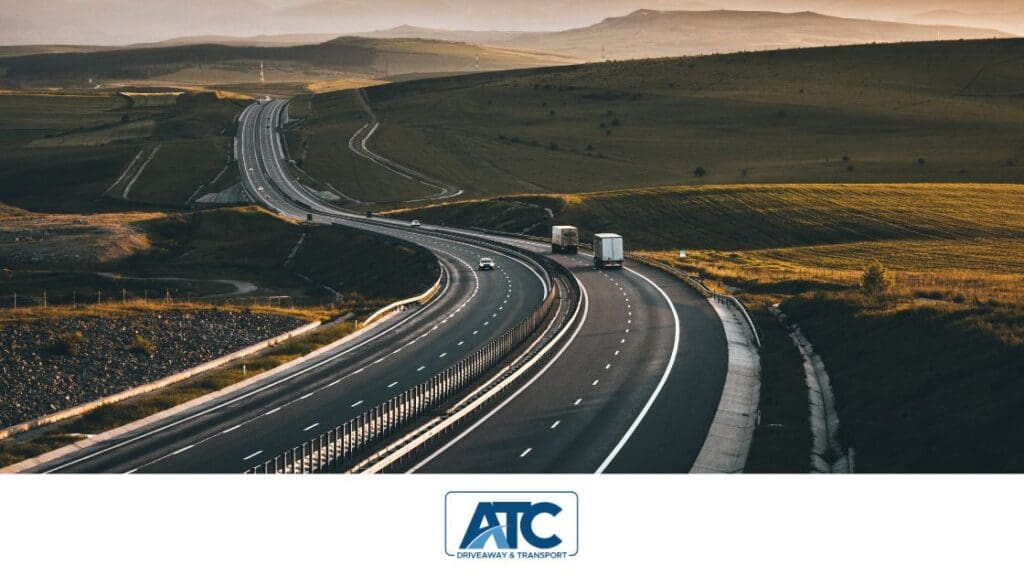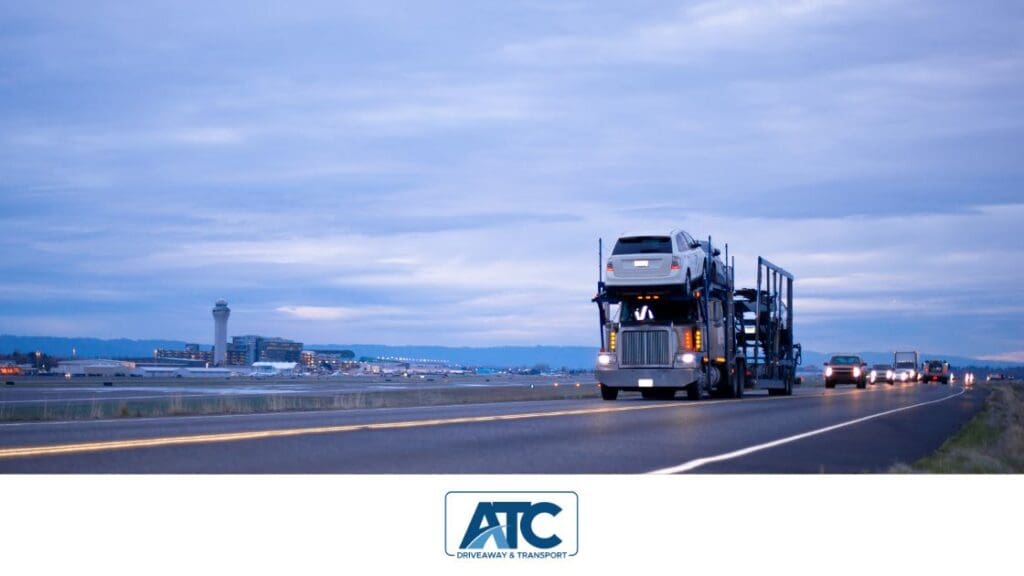
Managing regulatory changes is part of operating a successful fleet, and staying informed can help carriers, fleet managers, and drivers avoid confusion on the road. One of the most significant Idaho trucking law changes this year affects speed limits for commercial vehicles traveling on the state’s interstate highways.
While the law gives some trucks the ability to travel at higher speeds, it doesn’t necessarily mean every truck should. Understanding what changed and how it impacts fleet operations is key to maintaining safety, efficiency, and compliance.
What Changed in Idaho?
On July 1, 2026, Idaho implemented House Bill 664, eliminating the state’s differential speed limits for large commercial trucks on certain rural interstate highways.
Previously, trucks weighing more than 26,000 pounds were limited to 70 mph on designated rural interstate sections, while passenger vehicles could travel 80 mph. Under the new law, qualifying commercial trucks may now legally travel up to 80 mph on those same roadways where the posted speed limit is 80 mph.
The law applies to rural sections of:
- Interstate 84 (west of Caldwell and east of Boise)
- Interstate 86
- Interstate 15
Urban interstate sections, such as portions of I-84 through the Boise-Caldwell corridor, remain unchanged where lower posted speed limits apply.
Why Did Idaho Make This Change?
Supporters of the legislation argued that having different speed limits for passenger vehicles and commercial trucks created unnecessary traffic conflicts.
By allowing vehicles to travel at the same posted speed, lawmakers hope to:
- Improve overall traffic flow
- Reduce congestion caused by speed differences
- Minimize lane-blocking situations
- Reduce risky passing maneuvers
The goal is to create more consistent traffic patterns while allowing drivers to make safer decisions on Idaho’s interstate highways.
Does This Mean Every Truck Will Drive 80 MPH?
Not necessarily.
Although the new law allows qualifying commercial vehicles to travel at the higher posted speed, many trucking companies will continue operating below that limit.
Several factors influence a carrier’s operating speed, including:
- Company safety policies
- Speed governors installed on vehicles
- Fuel efficiency goals
- Cargo weight
- Weather conditions
- Road terrain
According to the Idaho Trucking Association, many fleets have indicated they do not plan to increase their operating speeds simply because the law allows it.
Safety Still Comes First
Even with the new speed limit, safe driving remains the top priority.
Large commercial vehicles require significantly longer stopping distances than passenger vehicles, particularly when hauling heavy loads. Idaho is also one of the few states that allows certain commercial vehicles to operate at weights up to 129,000 pounds, making safe following distances and defensive driving even more important.
Both commercial drivers and passenger vehicle operators should continue practicing safe driving habits by:
- Allowing plenty of space around large trucks
- Avoiding lingering in truck blind spots
- Maintaining safe following distances
- Passing only when it is safe to do so
- Adjusting speed for weather and road conditions
Higher speed limits do not eliminate the physical limitations of operating heavy commercial vehicles.
What This Means for Fleet Managers
The latest Idaho trucking law changes may influence routing, scheduling, and driver expectations for fleets operating throughout the region.
Fleet managers should consider:
- Reviewing internal speed policies
- Communicating the new regulations with drivers
- Reinforcing company safety standards
- Monitoring compliance with vehicle speed governors
- Continuing to prioritize safe driving over maximum legal speeds
Keeping drivers informed helps reduce confusion while maintaining consistency across fleet operations.
Staying Ahead of Regulatory Changes
Transportation regulations continue to evolve across the country. From speed limit updates to changing state requirements, staying informed helps carriers make better operational decisions while maintaining compliance.
Monitoring legislative changes and communicating them across your organization can help minimize disruptions and keep drivers prepared wherever the road takes them.
Keep Your Fleet Moving with ATC
Whether your fleet is expanding into new markets or navigating changing transportation regulations, having a reliable transportation partner makes all the difference. ATC provides nationwide driveaway and vehicle transportation solutions designed to keep your fleet moving safely and efficiently.
Ready to simplify your fleet transportation strategy? Contact ATC today to learn how our nationwide vehicle transport services can support your business from pickup to delivery.