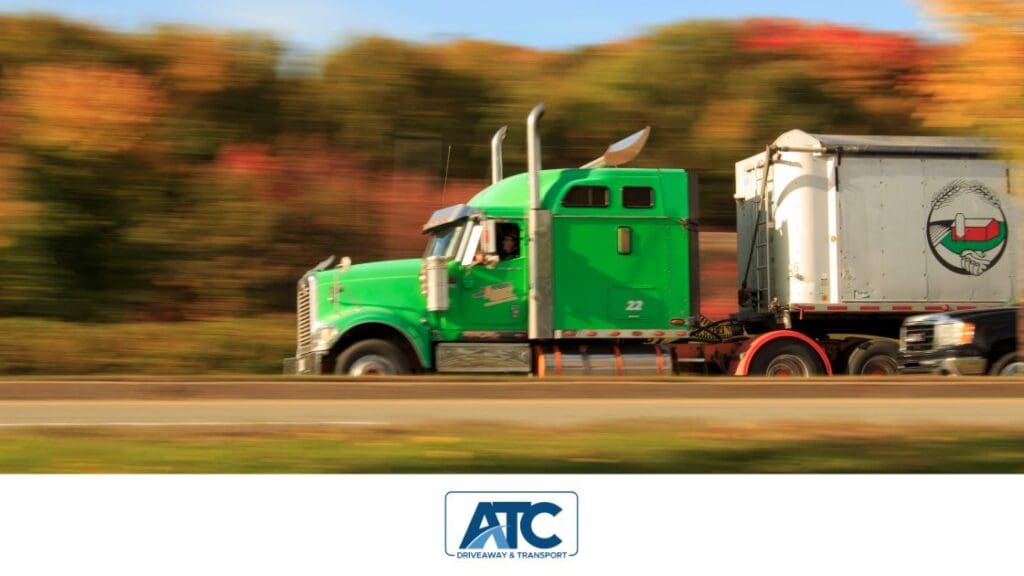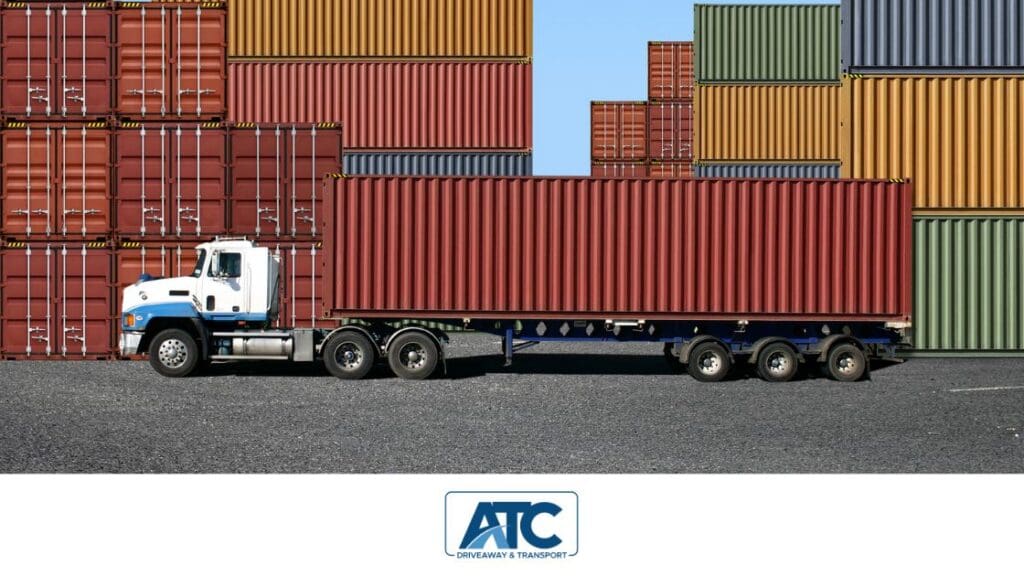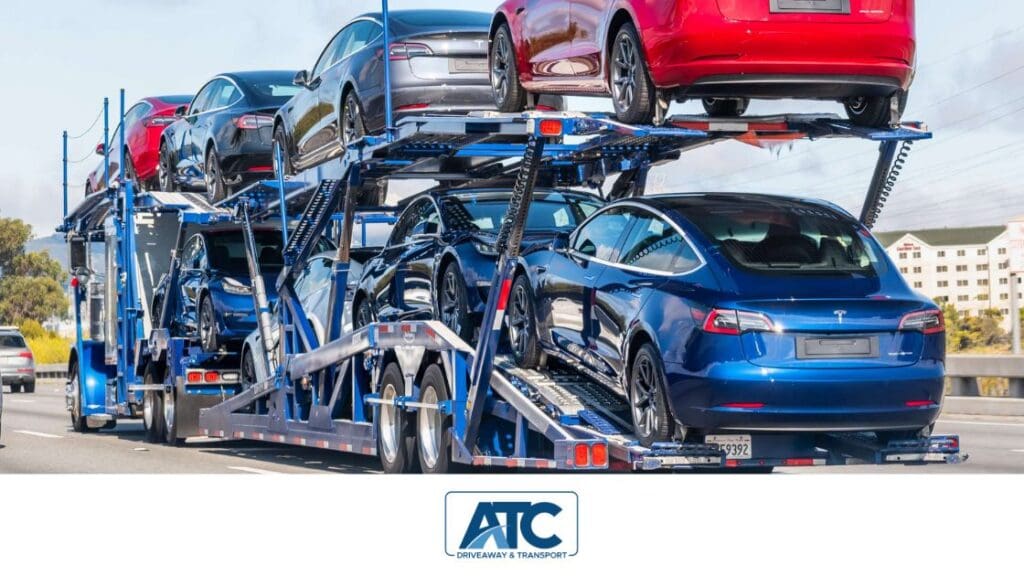
Managing a multi-state fleet comes with challenges that go far beyond simply getting vehicles from Point A to Point B. A multi-state fleet must navigate varying state regulations, changing road conditions, fuel costs, driver scheduling requirements, and customer expectations. Without the right strategy, inefficiencies can quickly increase operating costs and reduce profitability.
According to the American Trucking Associations, trucks moved approximately 72.7% of the nation’s freight by weight in 2024, highlighting the critical role fleet operations play in keeping businesses and supply chains moving.
For companies operating a multi-state fleet, efficiency means more than finding the shortest route. It requires careful planning, compliance management, vehicle maintenance, and strategic transportation solutions.

Why Multi-State Fleet Management Is So Challenging
Operating a multi-state fleet introduces complexities that local fleets rarely encounter.
Common challenges include:
- Different state regulations
- Fuel tax requirements
- Weight and size restrictions
- Driver hours-of-service compliance
- Varying fuel prices
- Weather-related delays
- Multi-state permitting requirements
- Vehicle relocation logistics
Successfully managing these factors can help improve profitability, customer satisfaction, and operational performance.
Master Compliance for Your Multi-State Fleet
One of the biggest challenges facing any multi-state fleet is compliance.
While federal regulations provide a baseline, each state may have additional requirements regarding permits, registrations, vehicle dimensions, and roadway restrictions.
Key Compliance Areas
Permits and Registrations
Some states require specific permits for commercial vehicles, oversized loads, or temporary operations.
Weight and Size Restrictions
Vehicle dimensions that are acceptable in one state may require additional permits in another.
Hours of Service Compliance
Federal Hours of Service (HOS) regulations apply to interstate carriers, but state-specific rules and exceptions can create additional complexity.
Best Practice
Use centralized compliance software that tracks permits, registrations, and routing restrictions before vehicles hit the road.
Use Route Optimization Technology
Technology is one of the most valuable tools for improving multi-state fleet efficiency.
Modern fleet management software can analyze both historical and real-time data to identify more efficient routes.
Route Optimization Factors
- Traffic congestion
- Construction zones
- Weather conditions
- Fuel prices
- Weigh stations
- Road restrictions
Advanced route planning helps reduce unnecessary mileage, fuel consumption, and driver delays.
Benefits of Route Optimization
- Lower fuel costs
- Improved delivery times
- Reduced vehicle wear
- Better driver productivity
- Enhanced customer satisfaction
Multi-State Fleet Vehicle Relocation Strategies
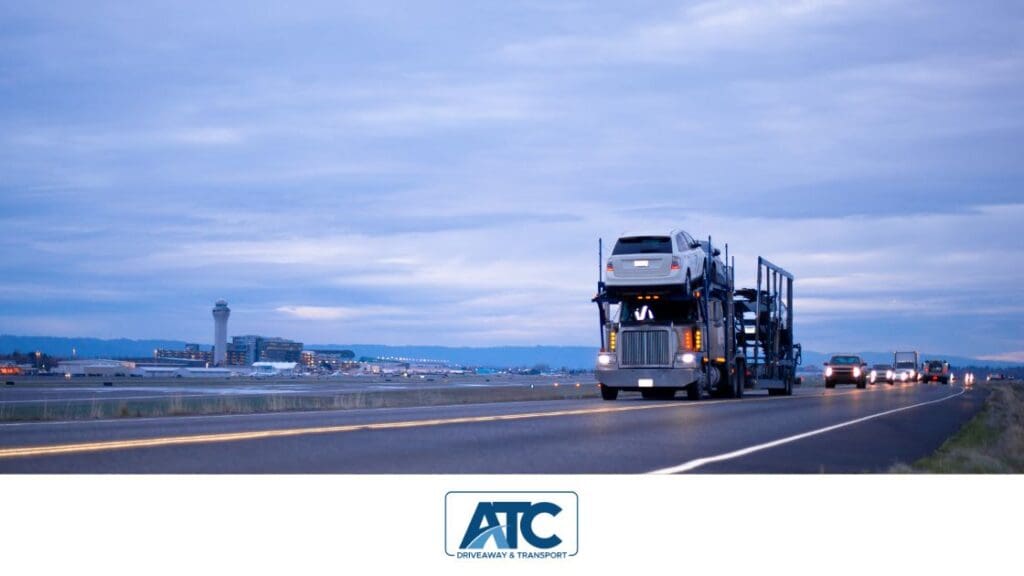
Vehicle relocation is often one of the most overlooked aspects of managing a multi-state fleet.
Organizations frequently need to:
- Move trucks to high-demand regions
- Reposition underutilized assets
- Deploy newly purchased vehicles
- Transfer vehicles between facilities
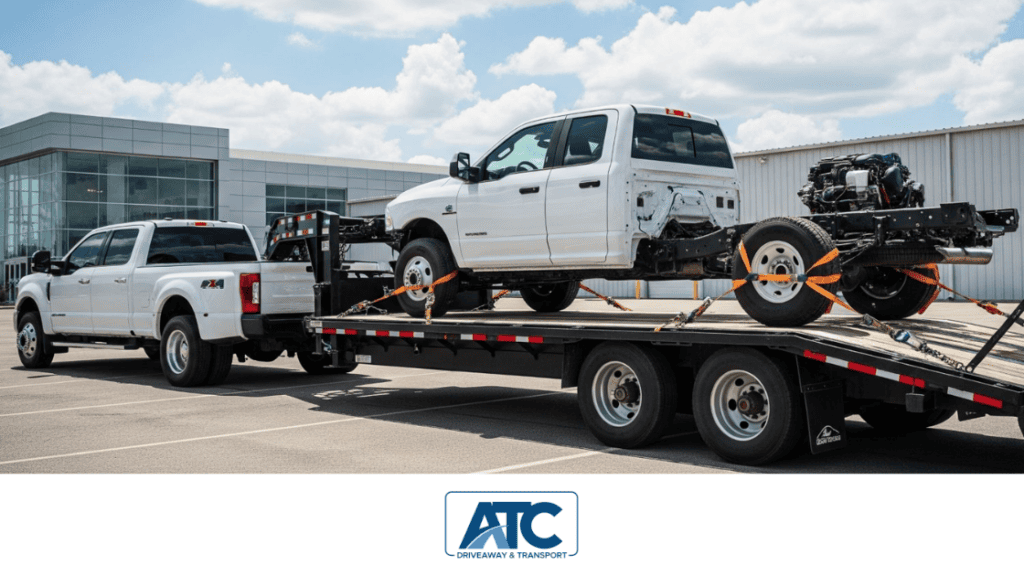
Using your own drivers for relocation can reduce available workforce capacity and impact business operations.
Why Driveaway Services Make Sense
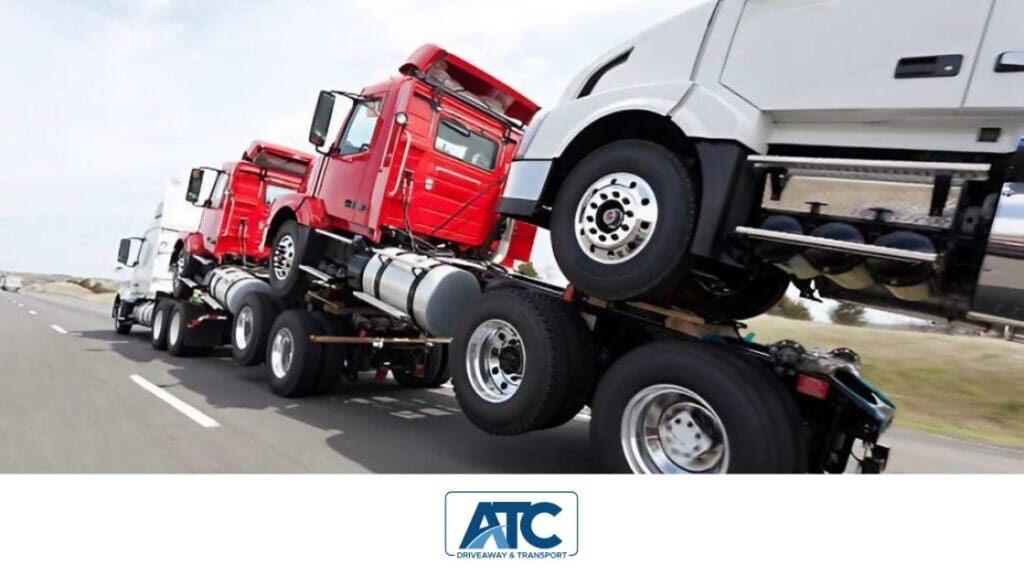
Professional driveaway services provide a cost-effective way to relocate vehicles without removing your drivers from revenue-generating work.
Unlike traditional carrier transport, driveaway services deliver vehicles directly to their destination, allowing assets to arrive ready for operation.
For many businesses, this approach significantly improves multi-state fleet flexibility and utilization.
Fuel and Maintenance Management for a Multi-State Fleet
Fuel costs and maintenance expenses have a major impact on fleet profitability.
Fuel Planning
Fuel prices vary significantly between states. Strategic fuel planning can help reduce operating costs and improve overall efficiency.
Consider:
- Fuel tax implications
- State fuel price differences
- Preferred fueling locations
- Route efficiency
Preventative Maintenance
Long-distance trips place increased stress on vehicles.
Preventative maintenance should include:
- Tire inspections
- Fluid checks
- Brake inspections
- Battery testing
- Safety equipment verification
Investing in preventative maintenance helps reduce downtime and costly breakdowns.
How ATC Driveaway Simplifies Multi-State Fleet Logistics
Managing a multi-state fleet requires reliable transportation partners.
At ATC Driveaway, we help businesses streamline vehicle relocations and fleet movements across the country.
Nationwide Coverage
Our transportation network spans all 50 states, allowing businesses to move vehicles efficiently regardless of destination.
Compliance Support
Through ATC Driveaway and our sister company ABS Tag & Title, we help businesses navigate:
- Vehicle registrations
- Permits
- Titling requirements
- State-specific compliance concerns
Real-Time Visibility
Knowing where your vehicles are at all times helps improve planning and decision-making.
Our transportation solutions provide visibility throughout the transportation process so businesses can stay informed and proactive.
Best Practices for Managing a Multi-State Fleet
Follow these strategies to improve fleet performance:
✅ Centralize compliance management
✅ Utilize route optimization software
✅ Monitor vehicle utilization
✅ Schedule preventative maintenance
✅ Plan fuel purchases strategically
✅ Track key fleet performance indicators
✅ Improve communication with drivers
✅ Partner with experienced transportation providers
✅ Relocate vehicles efficiently
✅ Maintain real-time fleet visibility
Frequently Asked Questions
What is a multi-state fleet?
A multi-state fleet is a group of commercial vehicles that regularly operate across multiple states and must comply with federal and state-specific transportation regulations.
What are the biggest challenges of managing a multi-state fleet?
Common challenges include compliance requirements, route planning, fuel management, vehicle maintenance, driver scheduling, and asset relocation.
How can route optimization improve fleet efficiency?
Route optimization software helps fleets reduce fuel consumption, avoid delays, minimize mileage, and improve delivery performance.
Why is compliance important for a multi-state fleet?
Compliance helps avoid fines, delays, safety violations, and operational disruptions while ensuring vehicles meet federal and state requirements.
How do driveaway services support multi-state fleet operations?
Driveaway services help businesses relocate vehicles quickly and efficiently without taking drivers away from their primary responsibilities.
How often should a multi-state fleet undergo maintenance?
Maintenance schedules vary by vehicle type and mileage, but routine inspections and preventative maintenance are essential for reducing breakdowns and improving reliability.
Improve Multi-State Fleet Efficiency With ATC Driveaway
Successfully managing a multi-state fleet requires the right blend of technology, planning, compliance management, and transportation expertise. Businesses that optimize routing, prioritize preventative maintenance, and streamline vehicle relocations can reduce costs and improve operational performance.
At ATC Driveaway, we help companies move vehicles safely and efficiently nationwide. Whether you’re relocating a single truck or coordinating a large-scale fleet deployment, our experienced team has the resources and expertise to support your operation.
Ready to simplify your multi-state fleet logistics? Contact ATC Driveaway today to learn how our nationwide driveaway services can help keep your vehicles moving and your business growing.