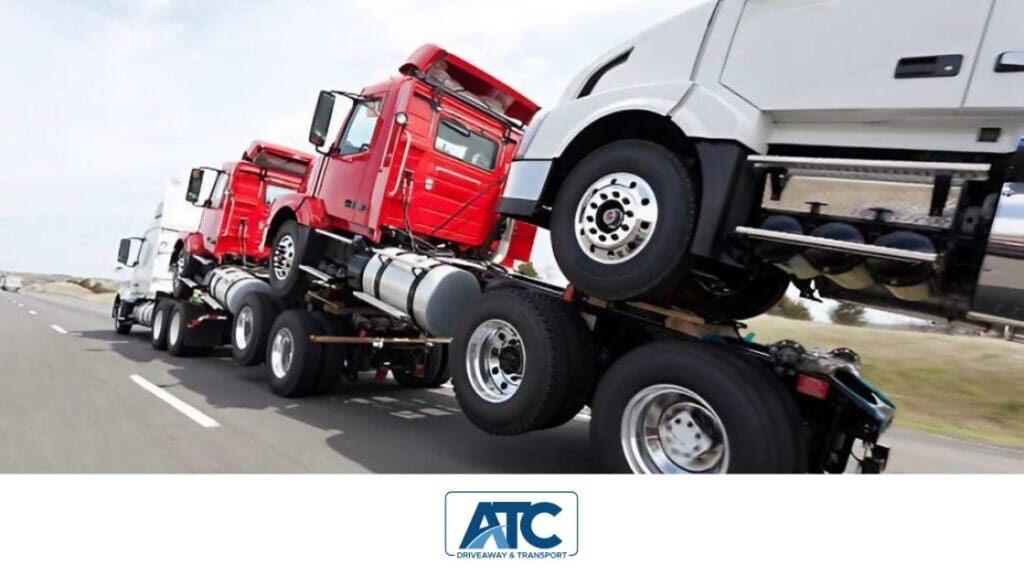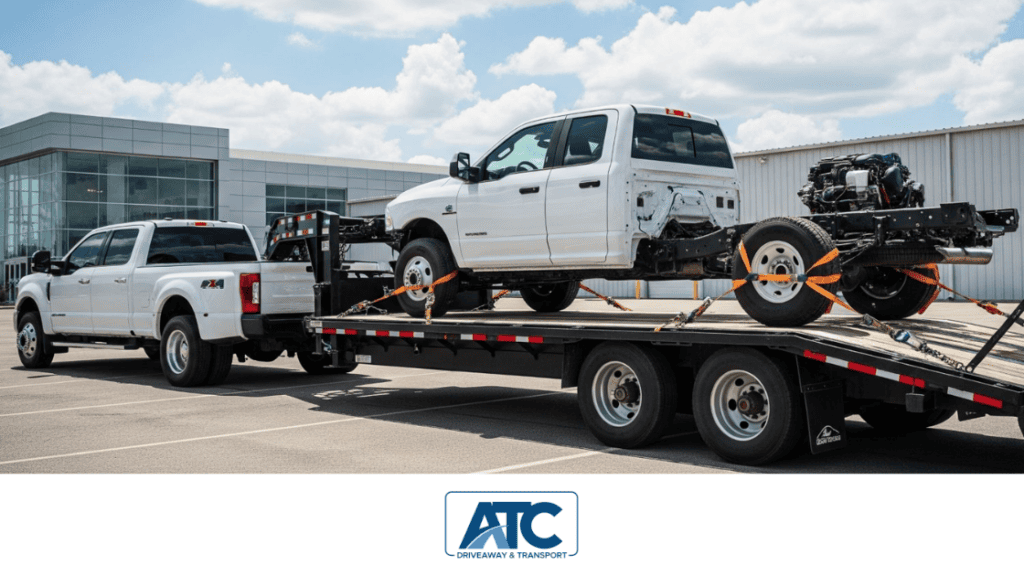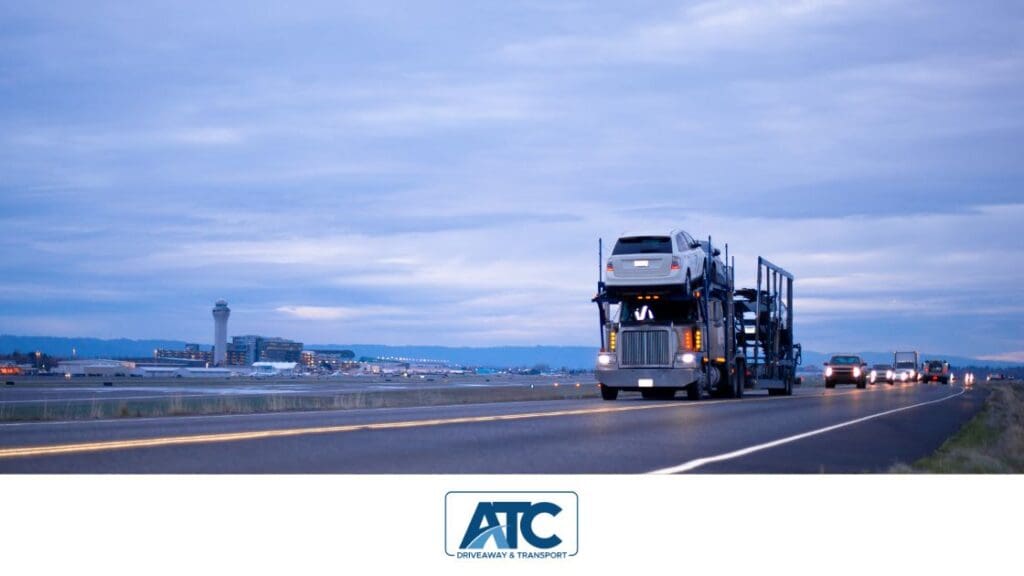
That was the focus of ATC Driveaway’s recent webinar, “Navigating Volatility: Transport Strategies for an Unpredictable Market,” where our team discussed the biggest challenges affecting transportation operations in 2026 and the strategies companies can use to stay ahead of disruption rather than constantly reacting to it.
If you missed the live session, you can watch the full webinar recording on our YouTube channel.
What Does Volatility Look Like in Transportation Today?
When people hear the word “volatility,” they often think about fuel prices or financial markets. In reality, transportation volatility can take many forms.
A major storm can suddenly make a planned route unusable. Rising fuel costs can put pressure on transportation budgets. Vehicle shortages, changing delivery schedules, labor challenges, and market uncertainty can all impact how quickly and efficiently assets move from one location to another.
For fleet operators, these issues rarely happen one at a time. In many cases, organizations are dealing with multiple disruptions simultaneously while still trying to maintain customer commitments and operational efficiency.
The result is a transportation environment that requires flexibility, responsiveness, and planning.
The Difference Between Reacting and Being Prepared
One of the biggest themes discussed during the webinar was the distinction between reacting to problems and preparing for them.
Unexpected events will always occur. No transportation company can eliminate weather events, market shifts, fuel volatility, or emergency transportation requests.
What organizations can control is how prepared they are when those situations arise.
Companies that consistently perform well during periods of uncertainty tend to have a few things in common:
- Established transportation plans
- Reliable carrier relationships
- Clear communication processes
- Flexible transportation options
- Contingency plans for disruptions
Instead of scrambling when challenges occur, these organizations already know what steps to take and who to call.
Storm Season and Route Disruptions
Weather remains one of the most common causes of transportation disruption.
Whether it’s hurricanes, flooding, snowstorms, or severe thunderstorms, major weather events can quickly impact delivery timelines and route planning. For organizations moving vehicles, flexibility becomes critical during these periods.
Having transportation partners that can adjust schedules, identify alternative routing options, and provide ongoing communication can help minimize delays and keep operations moving.
While weather cannot be controlled, the response to weather-related disruptions can often determine how significant the impact becomes.
Managing Fuel Volatility
Fuel costs continue to be a significant concern for fleet operators and transportation managers.
Rapid price fluctuations can make budgeting more difficult and create unexpected transportation expenses. For organizations moving a large volume of vehicles, even small changes in fuel prices can have a meaningful impact on costs.
During the webinar, our team discussed the importance of evaluating transportation strategies through both a short-term and long-term lens. Organizations that maintain flexibility and understand their transportation options are often better positioned to manage changing market conditions.
The goal isn’t necessarily to predict every price movement. It’s to build transportation plans that remain effective even when market conditions change unexpectedly.
Emergency Transportation Needs Are Becoming More Common
Another challenge many organizations face is the increasing frequency of last-minute transportation requests.
Whether it’s a vehicle relocation, dealership transfer, fleet redistribution, or emergency response situation, many businesses find themselves needing transportation solutions on short notice.
When that happens, time becomes one of the most valuable resources.
Organizations that already have transportation partners and processes in place can move much more quickly than those starting from scratch in the middle of an urgent situation.
The ability to respond quickly often comes down to preparation before an emergency occurs.
Why Communication Matters
When transportation disruptions occur, communication becomes just as important as execution.
Customers want updates. Fleet managers need visibility. Drivers need information. Operations teams need confidence that plans are still moving forward.
One of the most effective ways to reduce stress during periods of uncertainty is maintaining consistent communication throughout the transportation process.
Knowing where vehicles are, understanding potential delays, and receiving real-time updates can help organizations make informed decisions and adjust plans when necessary.
In many cases, communication is what transforms a disruption into a manageable situation.
Flexibility Is Key
No two transportation needs are exactly alike.
Some organizations prioritize speed above all else. Others need predictable costs for budgeting purposes. Some require ongoing transportation support, while others need assistance only during specific projects or emergencies.
That’s why flexibility is such an important part of navigating an unpredictable market.
Having access to multiple transportation solutions allows fleet operators to choose the approach that best fits their operational goals, timelines, and budget requirements.
As discussed during the webinar, transportation isn’t a one-size-fits-all service. The right solution often depends on the unique challenges an organization is facing at any given moment.
Building a Transportation Strategy for the Future
If there was one key takeaway from the webinar, it was this:
Volatility may be unavoidable, but disruption doesn’t have to be.
Organizations that invest in planning, communication, and strong transportation partnerships are often in a much better position to navigate uncertainty successfully.
The transportation landscape will continue to evolve. Market conditions will change. Weather events will occur. Fuel costs will fluctuate.
The most successful fleet operators won’t necessarily be the ones who avoid every challenge. They’ll be the ones who are prepared when those challenges arrive.
Partner With ATC Driveaway
At ATC Driveaway, we help businesses move vehicles nationwide with flexible transportation solutions designed to adapt when conditions change. Whether you’re planning routine vehicle moves or responding to an unexpected transportation need, our team provides the expertise, communication, and nationwide support needed to keep your operation moving.
Watch the Full Webinar
Want to hear the complete discussion from our team?
Watch the full recording of “Navigating Volatility: Transport Strategies for an Unpredictable Market” on our YouTube channel.
If you’d like to learn more about ATC’s transportation solutions or discuss your organization’s vehicle movement needs, contact our team today. We’re here to help you navigate uncertainty with confidence.