When it comes to small equipment shipping, proper planning can make the difference between a smooth delivery and an expensive delay. While smaller machinery and equipment may not require the same logistical complexity as oversized freight, they still need careful preparation, secure loading, regulatory compliance, and experienced transportation partners.
Whether you’re transporting compact construction equipment, agricultural machinery, generators, utility equipment, or specialized tools, following proven small equipment shipping best practices can help protect your investment and ensure on-time delivery.

Why Small Equipment Shipping Matters
Construction, agriculture, utilities, and manufacturing companies rely on equipment being available when and where it’s needed. Delays can impact productivity, project timelines, and profitability.
According to IBISWorld, the U.S. trucking industry generates more than $940 billion in annual revenue, demonstrating the critical role transportation plays in keeping businesses operating efficiently. Reliable small equipment shipping helps companies avoid unnecessary downtime and keep projects moving forward.
1. Choose the Right Small Equipment Shipping Method
Not every piece of equipment requires the same type of trailer.
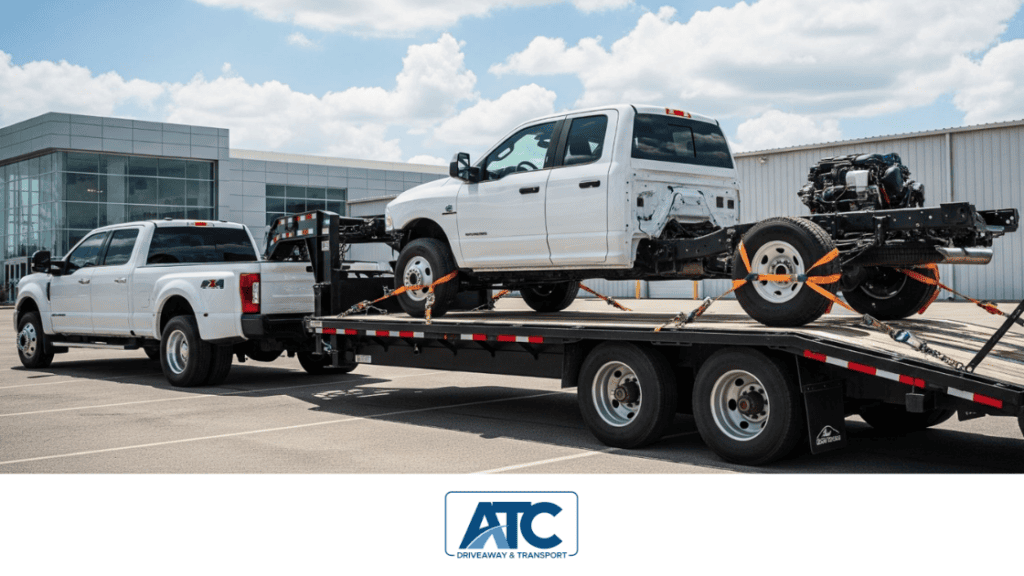
Flatbed trailers often work well for compact equipment, while step-deck and lowboy trailers may be better suited for taller machines that need additional clearance.
Choosing the correct transportation solution helps improve safety, reduce costs, and minimize potential loading issues.
2. Understand Small Equipment Transport Regulations
Many businesses assume smaller machinery automatically avoids transportation regulations. However, some equipment may still exceed legal limits depending on dimensions or weight.
Before scheduling small equipment shipping, verify:
- Weight restrictions
- Height requirements
- Width limitations
- State-specific transportation regulations
- Permit requirements
If the shipment crosses multiple states, compliance becomes even more important.
3. Prepare Equipment Before Transport
Proper preparation is one of the most overlooked aspects of small equipment shipping.
Before pickup:
- Remove loose attachments
- Secure movable components
- Protect sensitive electronics
- Drain fluids when required
- Check tire pressure
- Document operational status
Preparation helps reduce the risk of damage during transit.
4. Document the Equipment’s Condition
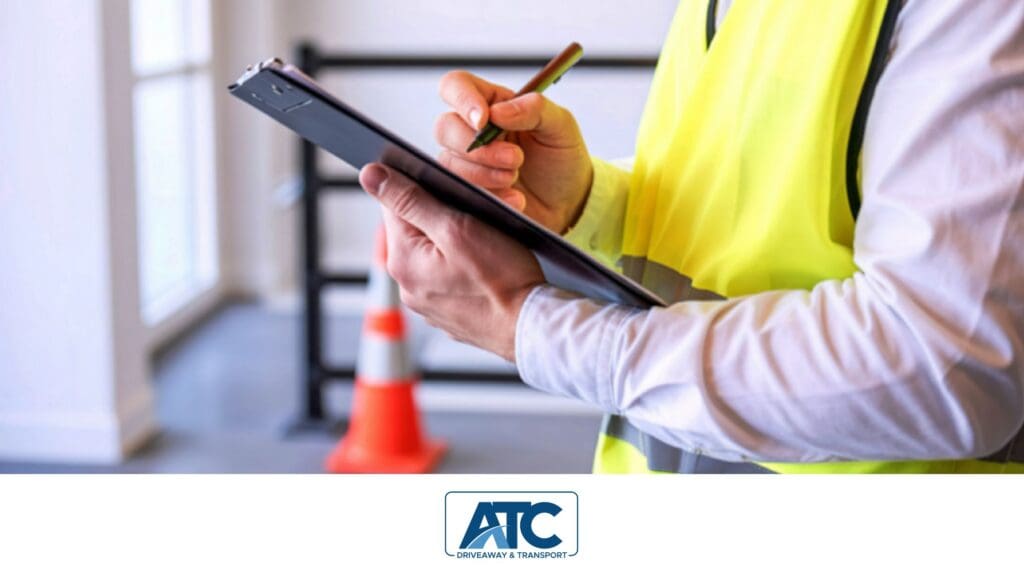
Take detailed photos from multiple angles before transportation begins.
This documentation provides:
- Proof of pre-shipment condition
- Protection during insurance claims
- Verification of existing wear and tear
- Greater transparency throughout the process
A thorough inspection protects both the equipment owner and transportation provider.
5. Use Proper Load Securement
Securing equipment correctly is critical.
DOT-approved chains, straps, binders, and tie-down systems help prevent shifting during transport. Improper securement can result in damaged equipment, safety hazards, and regulatory violations.
For many types of small equipment shipping, securement is just as important as selecting the right trailer.
6. Measure Equipment Accurately
Accurate measurements help carriers plan transportation safely and efficiently.
Be sure to verify:
- Length
- Width
- Height
- Operating weight
Providing accurate dimensions upfront prevents unexpected issues, route changes, and added transportation costs.
7. Plan Pickup and Delivery Logistics
Many transportation delays occur at pickup or delivery locations.
Before scheduling small equipment shipping, confirm:
- Site accessibility
- Loading dock availability
- Forklift requirements
- Crane requirements
- Lift gate needs
- Delivery scheduling restrictions
Proper coordination helps avoid unnecessary downtime.
8. Prioritize Safety During Loading and Unloading
Loading and unloading are among the highest-risk stages of equipment transportation.
All personnel should:
- Wear proper PPE
- Follow OSHA safety guidelines
- Utilize approved loading procedures
- Maintain clear communication during loading operations
Safe handling helps prevent injuries and equipment damage.
9. Keep Transportation Documents Organized
Transportation paperwork should be readily available before shipment begins.
Important documents may include:
- Bills of lading
- Insurance certificates
- Equipment specifications
- Oversize permits (if required)
- Pickup and delivery instructions
Good documentation helps prevent costly delays and administrative issues.
10. Work With an Experienced Small Equipment Shipping Provider
One of the best ways to ensure successful transportation is partnering with an experienced carrier.
An experienced small equipment shipping provider understands:
- Equipment handling requirements
- Loading best practices
- Route planning
- Compliance regulations
- Risk mitigation strategies
This expertise helps minimize delays and protect valuable equipment throughout transit.
Related Equipment Transportation Services
Businesses requiring small equipment shipping often need additional transportation solutions as well.
Related services include:
- Heavy haul transportation
- Construction equipment transport
- Agricultural equipment shipping
- Industrial machinery transport
- Oversized load hauling
- Lowboy trailer transportation
- Expedited freight services
Working with a transportation provider that handles multiple equipment types can simplify logistics and improve operational efficiency.
Frequently Asked Questions About Small Equipment Shipping
What qualifies as small equipment shipping?
Small equipment shipping typically refers to transporting compact machinery, agricultural equipment, generators, utility equipment, specialized tools, and construction equipment that do not require the same handling as large heavy-haul freight.
How much does small equipment shipping cost?
The cost depends on several factors, including equipment size, weight, travel distance, route requirements, trailer type, and delivery timelines.
Do I need permits for small equipment shipping?
Some shipments may require permits if they exceed state size or weight restrictions. An experienced transportation provider can help determine permit requirements.
How should I prepare equipment for shipping?
Remove loose items, secure moving parts, inspect the equipment, document its condition, and communicate any operational issues before transport begins.
Is my equipment insured during transport?
Most professional carriers provide cargo insurance coverage. Always confirm coverage limits and policy details before shipment.
Partner With ATC for Reliable Small Equipment Shipping
Successful small equipment shipping requires preparation, compliance, and experienced transportation professionals. From selecting the right trailer to ensuring proper load securement and regulatory compliance, every detail matters.
At ATC, we help businesses transport equipment safely, efficiently, and on schedule. Our team understands the unique requirements of equipment transportation and provides dependable solutions backed by experience and customer-focused service.
If you need small equipment shipping services, contact ATC today to learn how we can help move your equipment with confidence.