The work to create safety starts long before a commercial vehicle pulls out of the dealers lot. Both pre-trip and post-trip inspections are responsible for the safety of vehicles and to determine potential problems and smooth transportation.
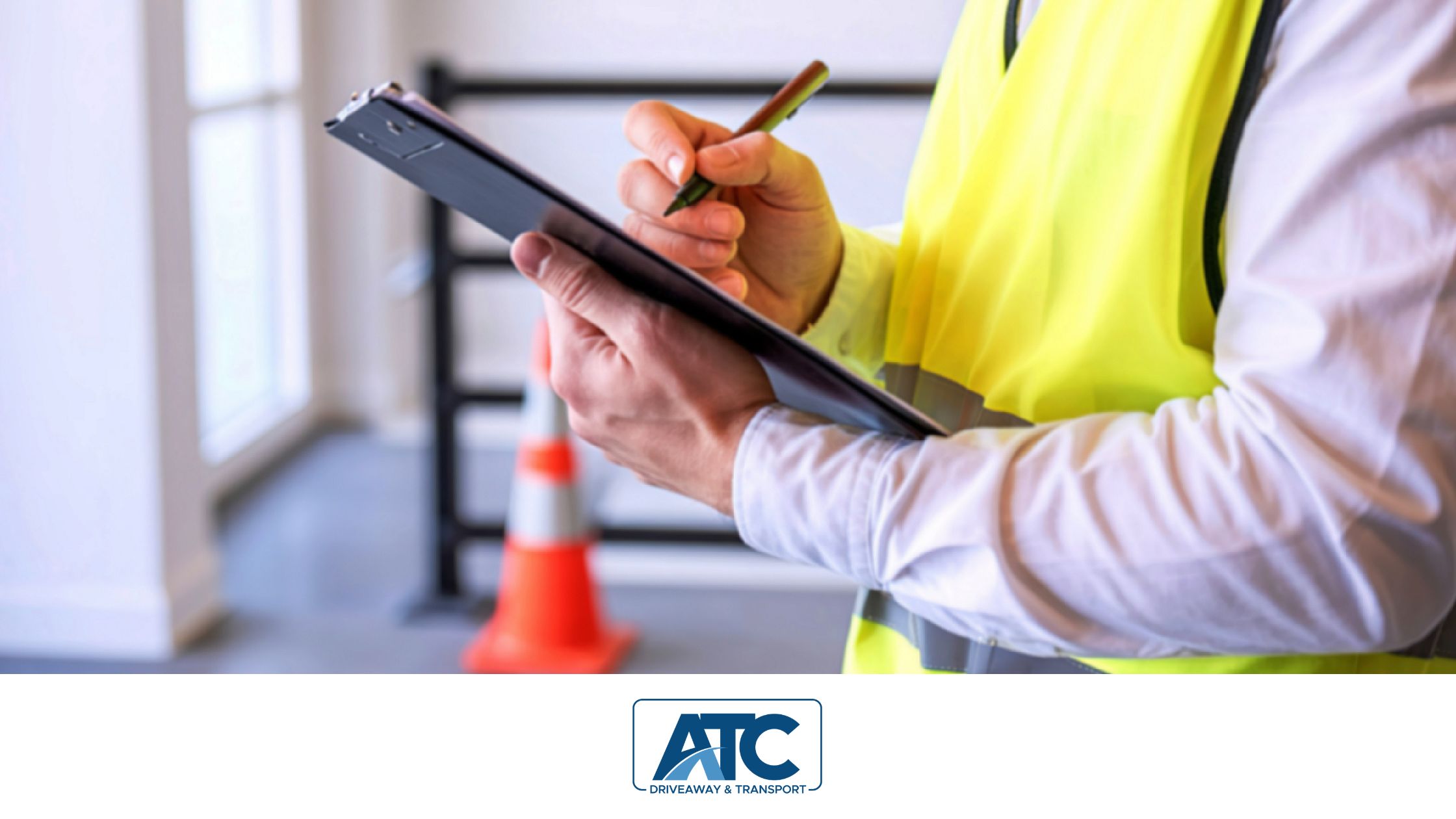
For fleets and transportation companies, inspections are more than a routine walkaround. They provide drivers with an opportunity to identify defects before they become roadside problems, while giving fleet managers a record of issues that may require maintenance or repair. Reliable nationwide transportation is the core value for ATC. We prioritize safe driving habits and correct vehicle operation and maintenance to ensure service excellence.
What’s a Pre-Trip Inspection?
A pre-trip vehicle inspection is conducted by the driver, or with the driver’s involvement, before a driver starts driving a commercial motor vehicle. Federal requirements for Commercial Vehicle Safety require that drivers be satisfied that the vehicle they’ll be driving is in safe operating condition before they drive. When a defective condition or impairment was previously reported in the Driver Vehicle Inspection Report, the driver needs to go over the DVIR and make sure the appropriate repairs were made.
A detailed pre-trip inspection can address potential issues before they result in downtime, delays, and safety hazards. Factors to consider include:
- Service brakes and brake connections
- Parking brake
- Steering components
- Lights and reflectors
- Wheels and tires
- Horn
- Windshield wipers
- Mirrors
- Coupling devices
- Equipment for emergencies
These checks confirm whether a vehicle has been properly serviced and if any safety issues are resolved prior to travel.
Definition of a Post-Trip Inspection?
The post-trip inspection is performed at the end of the driver’s workday and is to reveal whatever defects or deficiencies the driver found. DVIR federal mandates typically require covered drivers to report defects of any type that may affect the safe operation of the vehicle or cause the vehicle to break down.
A DVIR has a purpose. It’s important that your drivers report any DVIR’s or safety related issues that occur, and your company corrects those items before operating that unit again if those reported defects would affect the safe operation of that unit.
A thorough post-trip walkaround can also allow the driver to catch problems they didn’t notice earlier on in the day. Whether it be damaged equipment, loose components, tire problems, light problems or other visible trouble, a walk around can identify this damage.
The Difference Between Pre-Trip and Post-Trip Inspections
Both inspections can contribute to the safety of a car, but they address separate needs.
Pre-trip inspection is concerned with readiness. Before commencing to drive the vehicle, the driver inspects the vehicle for safe roadworthiness and checks any carried over findings for such inspection reports.
The post-trip inspections are all about identification and recording. The driver must identify and report all defects or shortcomings encountered during the day’s operation. This will then be assessed before re-deployment of the vehicle.
When added together, these inspections represent a critical safety loop: inspect, identify, report, fix, and roll safely again.
Special Considerations for Driveaway and Towaway Operations
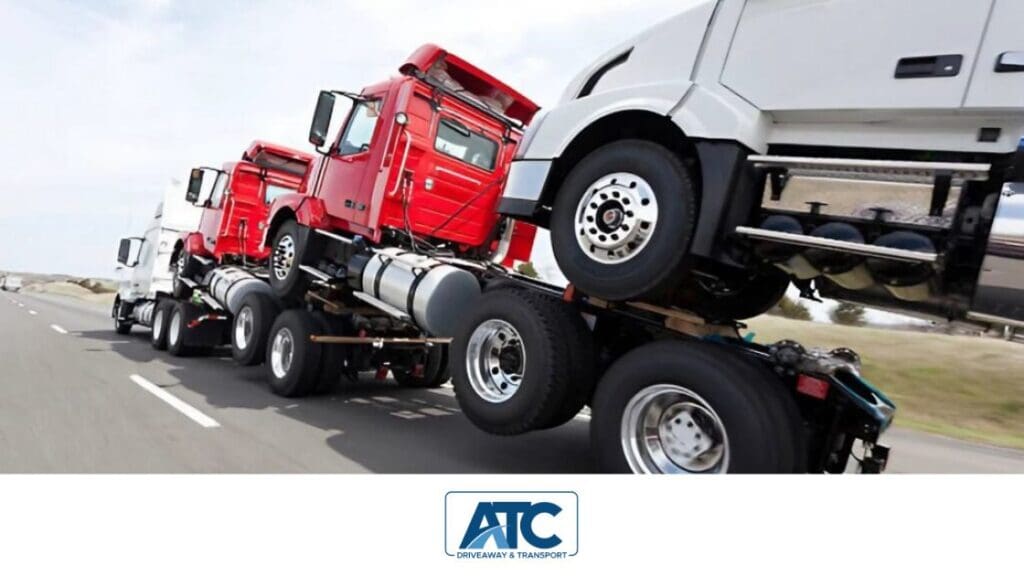
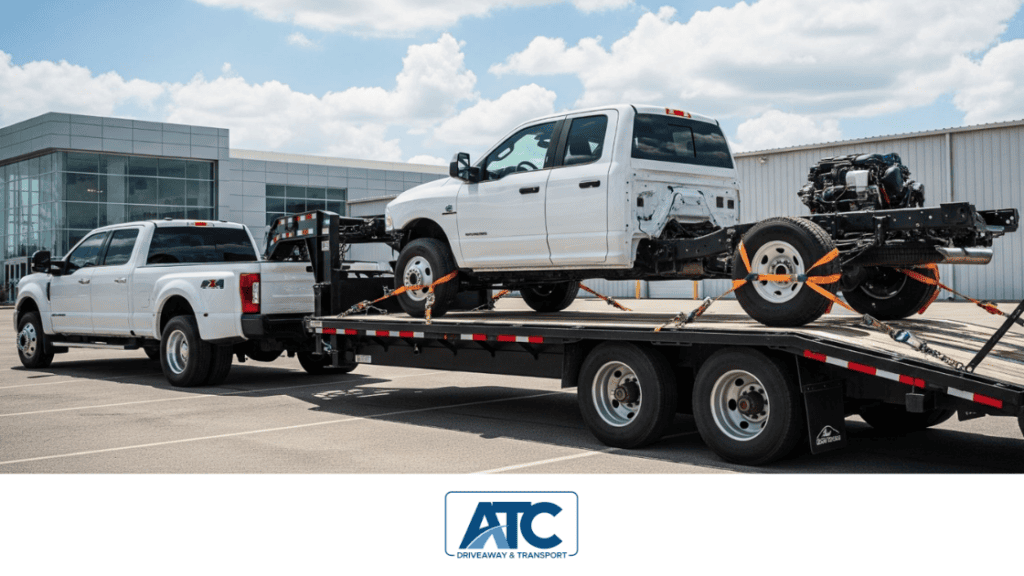
Driveaway and towaway operations have specific inspection requirements under federal regulations. For these operations, the carrier must conduct a careful pre-trip inspection of the combination, including the tow-bar or saddle-mount connections, their operation, and whether the towed vehicle follows properly. Following completion of the operation, the tow-bars and saddle-mounts must be disassembled and inspected before they are used again.
This makes proper inspection especially important for transportation providers moving vehicles and equipment from one location to another. The equipment being transported, the connection between vehicles, and the condition of the vehicle being driven all need to be considered before and after a move.
The Importance of Checks for Your Fleet Operations
What looks like a small miss on a report can be a big operation problem. A tire problem could also mean road side downtimes too. A lighting problem can contribute to an inspection violation. An improperly fitted coupling could cause a range of problems. A pre-trip inspection will help fleets identify this and other such problems as soon as possible, meaning they can prevent significant vehicle downtime, repairs and safety problems.
Inspections can complement an overall fleet maintenance and compliance program. When drivers consistently report problems and maintenance teams respond appropriately, companies have better visibility into vehicle condition and recurring issues.
Consistent procedures help companies that own vehicles across multiple premises to achieve a more accountable and predictable operation.
What Happens When a Defect Is Identified?
If a defect found has a potential impact on road safety, you should declare the problem and get your car assessed. Federal regulations require carriers to repair defects or deficiencies that would likely affect safe operation before permitting the vehicle to operate again.
This also dictates that an inspection should not be a “checkbox” activity. Drivers must be empowered and should invest the time to document problems correctly and fleet personnel should have a formalized way of reviewing reports, scheduling repairs and taking corrective action.
A good inspection procedure safeguards drivers, other road users, vehicles, as well as the company’s finances.
Keep Your Fleet Safely on the Move With ATC
Proper inspections are one piece of a larger commitment to safe, reliable transportation. ATC offers nationwide drive-away and transportation services. We have many experienced professional drivers who appreciate the importance of vehicle safety, communication, and dependable service.
Regardless of what type of commercial vehicles, fleet assets, buses or specialized equipment you are interested in, you name it, we can get the right logistics solution that picks it up, moves it out and delivers it to its final destination, on time and efficiently.
Ready to put a reliable transportation partner behind your next move? Contact ATC today to learn more about our nationwide driveaway and transportation services. Let ATC help you move your vehicles safely, professionally, and on schedule.