Moving a crane, be it to a new job site or disassembling it from the previous project, is a detailed process involving careful planning and strict adherence to safety regulations. You can ensure that your crane relocation is both successful and safe by using the correct approach.

Step 1: Plan Ahead and Define the Scope
Defining the scope of the relocation is the first step in the crane relocation professional search process. Determine the type of crane, its size and any job site difficulties involved. When the job involves tower cranes, large structures such as the jib, mast, and counterweights must be disassembled before transport can begin. Mobile cranes are typically only relocated short distances while fully assembled.
Step 2: Secure Permits and Meet Regulatory Requirements
Transporting cranes can require oversized and overweight load permits, with rules varying by state. State laws will regulate size, weight and escorts depending on your relocation destination. Additional permits may also be necessary in such areas as Montgomery County, MD where it may be necessary for additional permits for crane operation in the public rights of way.
Step 3: Map Your Route and Address Safety Protocols
It will save both money and time and minimize the risk of safety incidents by mapping out Detailed route planning to your crane’s destination in advance. The roads you plan to use must accommodate weight restrictions, bridge clearances and road widths. Safety protocol can require such things as the use of escort vehicles and specially designed trailers as well as traffic control.
Step 4: Execute the Transport
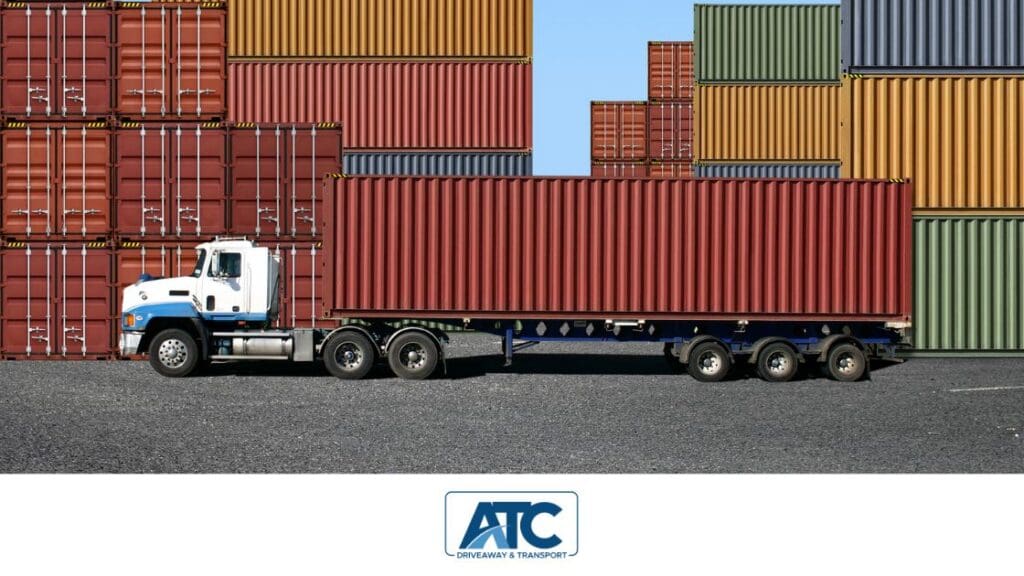
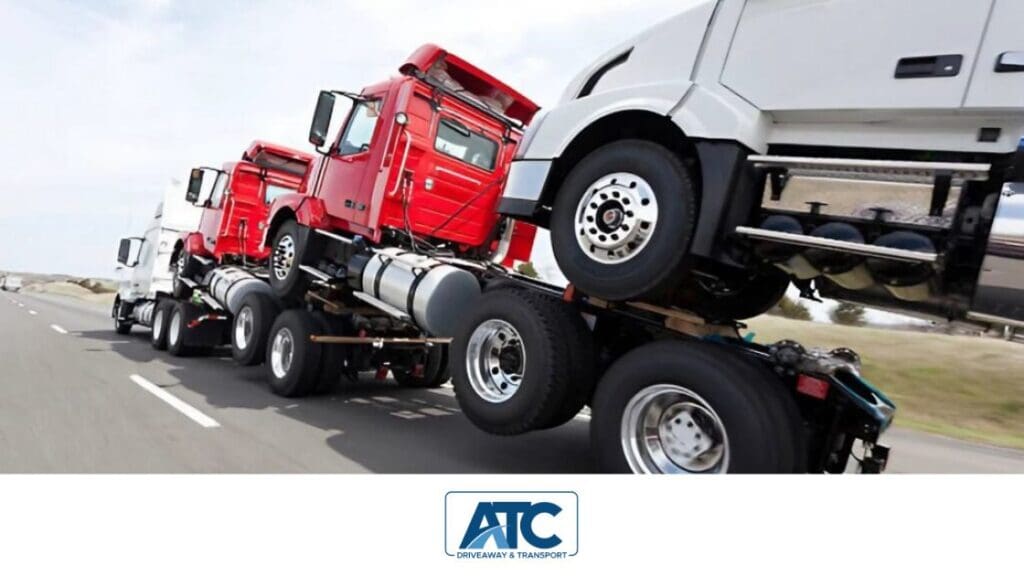
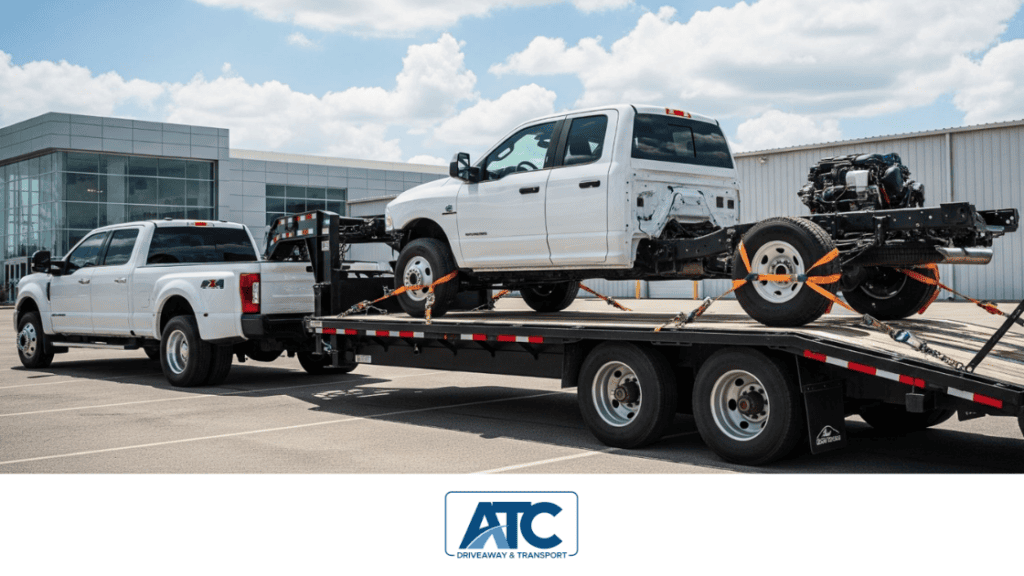
Cranes will be loaded onto the flat beds or specialized trailers with all components securely fastened to prevent damage. Ensure safety procedures are followed while traveling to the final location.
Step 5: Reassembly or Final Removal
Once the crane has arrived at its new destination, the structure must be reconstructed using available equipment, or transported to its final destination after disassembly. Rigging may require use of other auxiliary equipment.
Step 6: Work With Professionals
Work with the crane transport specialist for the efficient search of appropriate equipment, routes and compliance. They can minimize risks, save you valuable time and prevent damage to your crane investment.
Moving a crane is not just transportation. It is precision and safety, mixed with a well-thought-out strategy. ATC will ensure your heavy equipment reaches its destination without time wasted or an increased expense to you.