Thousands of vehicles make the trip from Florida to New York every year. Snowbirds heading back up North in the summer, fleet managers bringing their commercial vehicles north for their rotation, companies growing their market share-this lane is constantly in demand. Still, the auto transport business is full of gray area pricing, late ETAs, and an overall lack of information and customer satisfaction. This guide paints the whole picture: cost ranges, realistic delivery windows, how transport versus driveaway differs, and what to look for in an auto transport company you can actually trust.
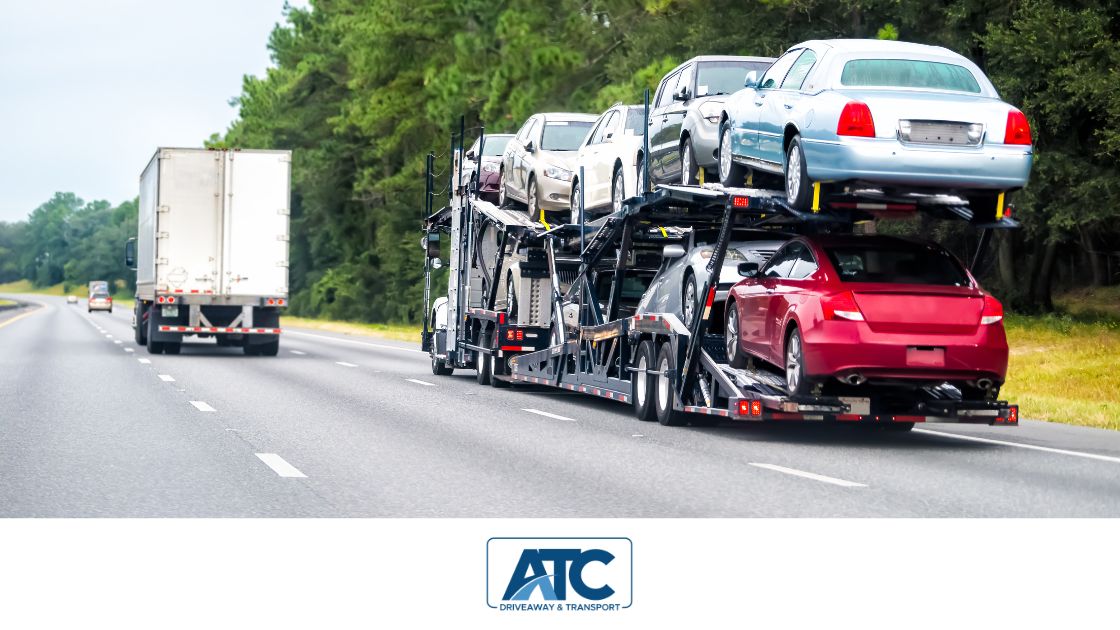
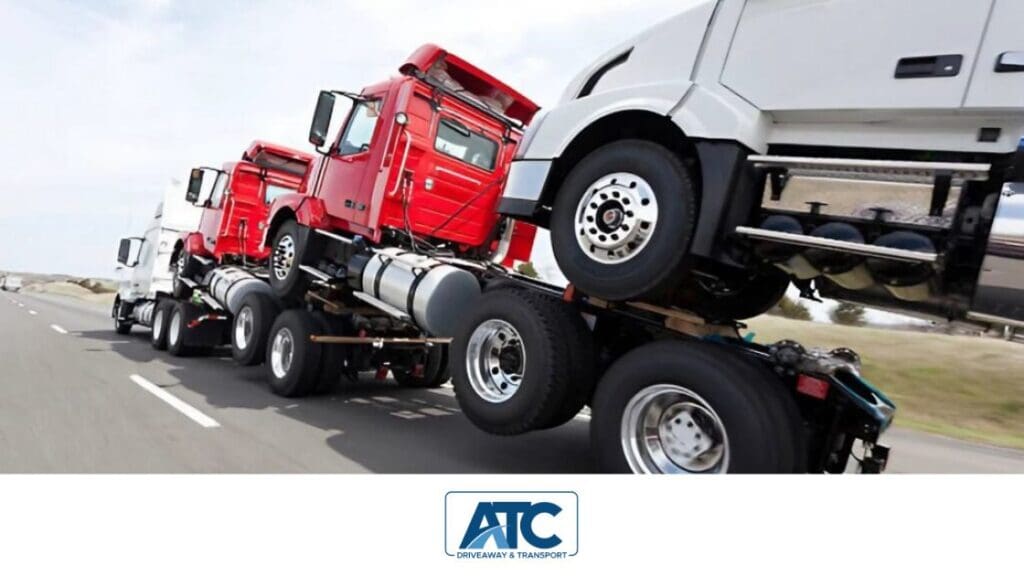
At ATC Driveaway, we assist businesses across the country with both outbound and local travel. Understanding how both approaches work is essential for developing a more efficient transportation strategy.
Understanding Outbound Auto Transport
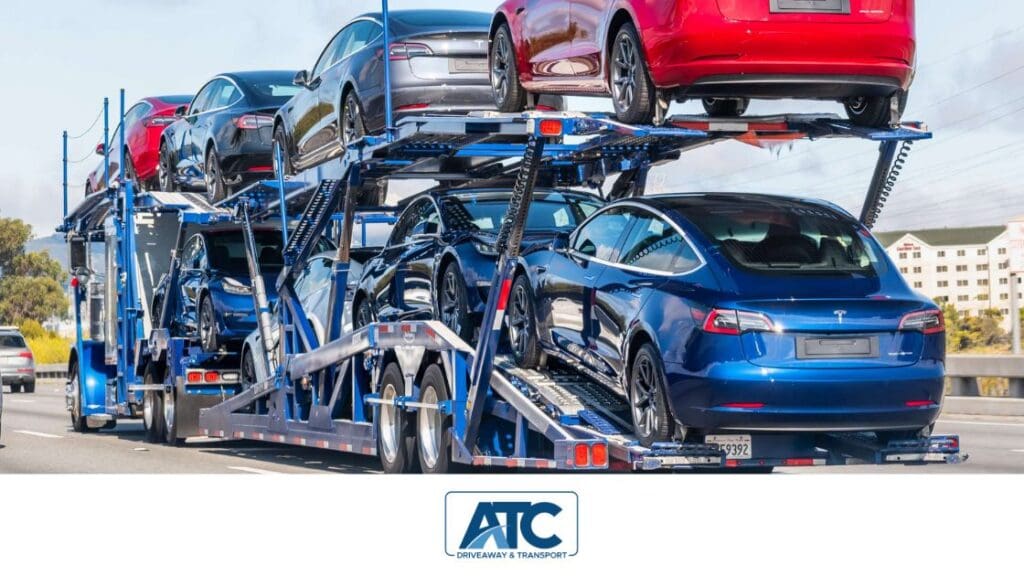
Outbound auto transport just means vehicles leaving a central spot to go to different states or even other parts of the country. Companies with a significant amount of vehicles typically employ it as part of a distribution operation or fulfillment.
A dealership that receives a shipment from an auction or manufacturer may be receiving goods that will be distributed to multiple locations or customers for delivery. For example, a fleet firm may need to relocate its assets to another state.
When goods are sent out, they are almost never delivered one at a time. Instead, they are usually part of full truckload movements that maximize shipping speed and the number of vehicles being sent at once. Outbound transport logistics are often well planned since they are integrated into production and sales operations or fleet requirements.
Because of the distance and overall logistics, outbound auto transport is primarily focused on optimizing a process on a big scale rather than shipping a single vehicle.
What Local Shipping Means in Vehicle Transport
Local shipping, also called “local auto transport,” is when a car is moved over a shorter distance, like across town or within a state or area. The move usually happens the same day or the next day.
This process takes place on dealership land, between nearby lots, to an auction or servicing department, and if an automobile needs to be relocated across town due to operations or client demand.
Outbound transportation is mostly about planning over long distances, while local transportation is more about speed and ease of use, making it possible to move quickly without making the commitment of a cross-country trip.
Local shipment, while shorter in distance than regular shipping methods, is just as important and requires efficient and coordinated attention. A small delay can impact the sales timeline, vehicle delivery to a client, or even the availability of a car within a fleet.
Key Differences Between Outbound and Local Transport
Transporting cars is what both services do, but their goals and reach are very different.
Outbound vehicle transportation deals with a larger dispersion. It is formalized, scheduled, involves multiple cars, and typically covers greater distances. It contributes to the flow of the supply chain and can be linked to bigger business cycles such as vehicle fleet renewal, dealership inventory and vehicle procurement, wholesale purchases, etc.
In contrast, local delivery takes a more tactical approach. It is employed when there is an immediate need to solve problems in the local region, and it values flexibility and quick turnaround when it comes to optimizing delivery over a lengthy period of time.
Another issue is the structure; outbound is frequently full truckload, requiring numerous vehicles to travel long distances at the same time. Local service can only accommodate a few vehicles in a short period of time and requires more journeys for each delivery in a closer vicinity.
Both services are required; they simply address distinct difficulties at different stages of the logistical operation.
When Businesses Should Use Outbound Auto Transport
The outbound mode of transport is best suited for circumstances requiring vehicle travel between locations or huge volumes of distribution. These include dealerships that receive and send inbound and outbound stock, corporate fleets that transfer assets between sites, and auction facilities that deliver purchased autos to buyers.
Outbound transport is also appropriate when tight scheduling and coordination among various destinations are required, as a comprehensive plan can be established in advance, rather than relying on multiple separate transfers, which are frequently late or not coordinated with other factors.
For businesses with a high volume of vehicle transit, this mode of transportation is a standard component of their transportation infrastructure, rather than an occasional choice.
When Local Shipping Is the Better Choice
If speed and proximity are important to you, choose local shipping. If the car needs to move swiftly from one location to another in close proximity, local shipment is most often the best option. Local transportation is also likely a viable choice if flexibility is essential.
Dealerships also use local transportation to move autos between lots and car-ready bays. Fleet owners use local transportation to relocate vehicles based on demand or for maintenance purposes.
The advantage of local transportation is its ability to promptly meet the requests for transporting your automobiles.
How ATC Driveaway Supports Both Solutions
We also understand that no two transportation loads are alike. Some businesses want a coordinated nationwide outbound distribution scheme, while others want the quickest local transit possible to keep their operations running.
ATC Driveaway’s countrywide carrier network allows for both scenarios. For outgoing shipments, we may plan full truckload services depending on scheduling, availability, and routing efficiency. We can fulfill a wide range of local shipping scenarios required by businesses.
Communication and dependability are constant features of these two distinct services. Moving an automobile 20 miles or 2,000 miles demands the same level of detail and coordination.
Choosing the Right Approach for Your Operation
The majority of companies don’t restrict themselves to a single mode of transportation, but instead use both outbound and local transportation depending on the conditions. Outbound transportation focuses on long-term plans and bulk delivery, whereas local transportation enables corporate processes to better respond to short-term requirements. Combining the two creates a more complete, time-efficient logistical function. By adapting each to your specific needs, you may assist reduce traffic congestion and get your vehicles in and out of the workplace faster.
Final Thoughts
When comparing outward vehicle transport to local delivery service, the primary differentiation is based on “scale” and “objective”. The first is about carrying vehicles across borders for the larger logistics network, whilst the second is about getting vehicles delivered quickly and locally to guarantee that day-to-day operations function smoothly.
Both are vital components of the current vehicle transportation network, and the best approach is determined solely by the purpose, deadline, and operation.
ATC Driveaway would love to support you if you want to improve your operations for local and nationwide car distribution.
To find out how our transportation options can help your fleet, dealership, or logistics organization, get in touch with ATC Driveaway today.