The trends in transportation shaping 2027 are transforming how businesses move vehicles, freight, and goods across the country. From artificial intelligence and autonomous technology to sustainability initiatives and evolving supply chain strategies, transportation companies are adapting to a rapidly changing industry. Carriers, fleet managers, and logistics providers that stay ahead of these trends will be better positioned to improve efficiency, reduce costs, and meet growing customer expectations.
According to the American Trucking Associations (ATA), trucks moved approximately 72.7% of U.S. freight by weight in 2024, demonstrating the critical role transportation continues to play in the nation’s supply chain.

1. Autonomous Driving Technology Continues to Advance
Autonomous trucking remains one of the most talked-about trends in transportation.
While fully driverless freight operations are still limited, transportation companies continue testing autonomous truck routes and investing in advanced driver-assistance systems. Features such as automatic emergency braking, lane-centering assistance, and adaptive cruise control are becoming increasingly common.
Benefits include:
- Improved roadway safety
- Reduced driver fatigue
- Increased operational efficiency
- Better route consistency
2. Autonomous Freight Networks Expand
Autonomous freight technology is progressing beyond individual vehicle capabilities.
Companies are exploring automated freight corridors connecting ports, distribution centers, and major logistics hubs. These pilot programs are helping transportation providers evaluate how automation can improve delivery speed and reduce operating costs.
As technology matures, autonomous freight networks may become a larger component of supply chain operations.
3. AI-Powered Transportation Management
Artificial intelligence is becoming a core tool for transportation companies.
AI systems analyze large volumes of data, including:
- Weather conditions
- Traffic patterns
- Driver behavior
- Vehicle performance
- Delivery schedules
This allows fleets to optimize routes, predict maintenance needs, improve asset utilization, and reduce empty miles.
4. Nearshoring Continues to Reshape Supply Chains
Many manufacturers are moving production operations closer to North American markets.
Nearshoring helps businesses:
- Reduce international shipping risks
- Improve supply chain visibility
- Shorten delivery times
- Increase resilience during disruptions
As nearshoring efforts continue in 2027, transportation providers will play a vital role in supporting regional manufacturing growth.
5. Electric Fleet Adoption Accelerates
Fleet electrification continues gaining momentum across the transportation industry.
Many organizations are adding electric vehicles to support:
- Last-mile delivery
- Municipal transportation
- Regional fleet operations
- Corporate vehicle programs
While infrastructure challenges remain for heavy-duty trucking, advancements in battery technology and charging networks are making electric transportation increasingly practical.
6. Sustainability Becomes a Business Priority
Sustainability is no longer simply a regulatory concern. It’s a competitive advantage.
Transportation companies are implementing environmental initiatives such as:
- Alternative fuels
- Renewable diesel
- Route optimization technology
- Carbon tracking programs
- Idle reduction strategies
These efforts can help lower operating costs while meeting customer and regulatory expectations.
7. Intermodal Transportation Gains Popularity
Businesses are increasingly relying on intermodal transportation solutions that combine multiple freight methods.
Common combinations include:
- Truck and rail
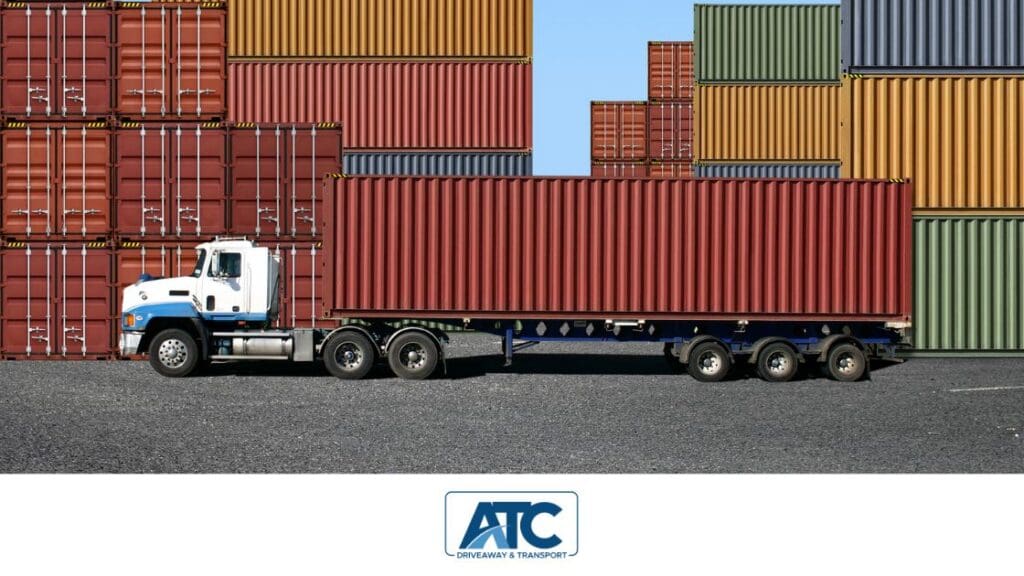
- Truck and ocean freight
- Truck and air freight
Intermodal transportation can help improve supply chain flexibility, reduce costs, and lower environmental impact.
8. EV Charging Infrastructure Expands
One of the biggest barriers to electric fleet adoption has been charging availability.
In 2027, continued investment in high-speed charging infrastructure is expected to support broader electrification efforts across the transportation industry.
Expanded charging networks help:
- Reduce range concerns
- Support fleet growth
- Improve route planning
- Increase operational reliability
9. Smart Urban Mobility Solutions Grow
Cities continue investing in smarter transportation systems.
Emerging technologies include:
- Connected traffic systems
- Electric transit vehicles
- Driverless shuttles
- Intelligent roadway infrastructure
These innovations aim to reduce congestion, improve accessibility, and create more efficient transportation networks.
10. Fleet Modernization and Compliance Take Center Stage
New safety standards, emissions regulations, and technology requirements are driving faster fleet modernization.
Updated fleets often provide:
- Lower maintenance costs
- Better fuel efficiency
- Enhanced safety performance
- Improved compliance management
- Greater reliability
Companies that proactively modernize their fleets can position themselves for long-term success.
Why These Trends in Transportation Matter
Transportation continues to evolve as technology, sustainability goals, and changing market demands reshape the industry. Companies that embrace innovation can improve operational efficiency, strengthen customer service, and maintain a competitive edge.
Whether it’s adopting AI-powered tools, investing in electric vehicles, or exploring autonomous technology, understanding these trends in transportation can help businesses prepare for the future of mobility and logistics.
Frequently Asked Questions
What are the biggest trends in transportation for 2027?
Some of the most significant trends include autonomous driving technology, artificial intelligence, fleet electrification, sustainability initiatives, nearshoring, and expanded charging infrastructure.
How is AI changing transportation?
AI helps transportation companies optimize routes, forecast maintenance needs, reduce fuel consumption, improve dispatching, and make data-driven operational decisions.
Are autonomous trucks being used in 2027?
Autonomous trucking technology is advancing through pilot programs and driver-assistance systems, although large-scale fully driverless freight operations remain limited.
Why is nearshoring important for transportation?
Nearshoring helps shorten supply chains, reduce dependence on overseas suppliers, improve reliability, and create new transportation opportunities within North America.
How are transportation companies becoming more sustainable?
Organizations are investing in electric vehicles, alternative fuels, route optimization software, emissions tracking, and fuel-efficiency initiatives to reduce environmental impact.
What is intermodal transportation?
Intermodal transportation involves moving freight using multiple transportation methods, such as trucking and rail, to improve efficiency, reduce costs, and increase flexibility.
Move Forward with ATC Driveaway
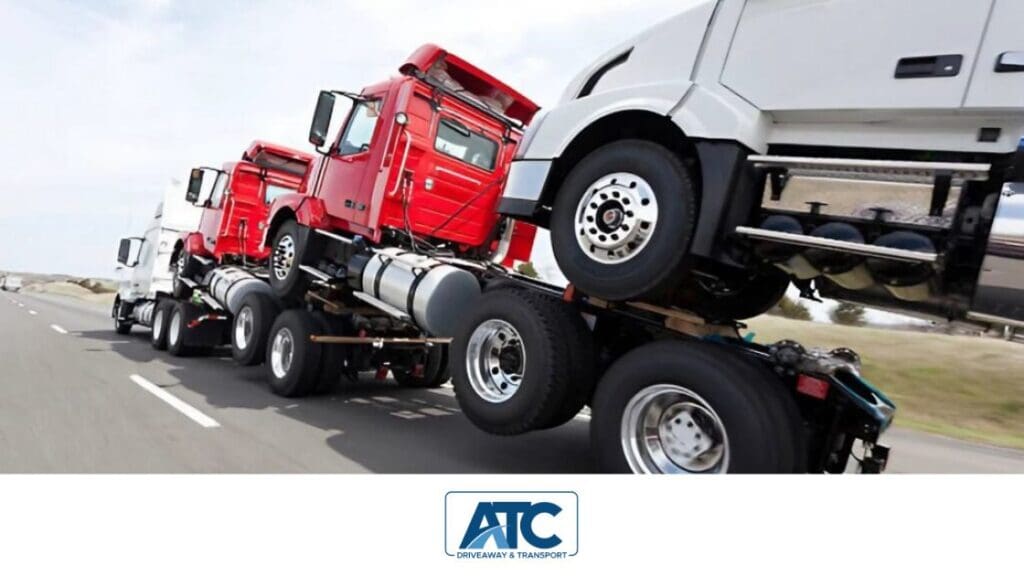
Staying ahead of transportation trends requires flexibility, reliability, and the right transportation partner. At ATC Driveaway, we help businesses move vehicles nationwide through professional driveaway services that support fleet relocations, vehicle transfers, dealer moves, and transportation needs across the country.
Whether you’re looking for an alternative to traditional trucking or need a trusted partner to help manage vehicle transportation, ATC Driveaway has the experience and nationwide network to deliver results.
Contact ATC Driveaway today to learn how our driveaway solutions can help keep your business moving in 2027 and beyond.