The logistics industry is evolving faster than ever, driven by new technology, changing regulations, sustainability initiatives, and ongoing workforce challenges. For carriers, fleet managers, and transportation providers, staying ahead of these trends is essential for maintaining compliance, improving efficiency, and remaining competitive in a rapidly changing market.
According to the U.S. Bureau of Transportation Statistics (BTS), freight transportation remains a critical component of the U.S. economy, with billions of tons of freight moving across the country each year through trucking, rail, air, and maritime networks. As freight demand continues to grow, companies must embrace innovation to keep pace.

1. AI-Powered Logistics Operations Continue to Expand
Artificial intelligence is no longer an emerging technology in transportation. In 2026, many logistics providers are using AI to optimize routes, improve dispatching, forecast demand, and identify maintenance issues before they lead to costly breakdowns.
AI tools can analyze large volumes of operational data, including:
- Traffic conditions
- Weather patterns
- Fuel consumption
- Vehicle performance
- Driver behavior
As AI becomes more integrated into everyday fleet operations, companies are seeing improved efficiency, greater asset utilization, and lower operating costs.
2. Real-Time Visibility Is Becoming a Customer Expectation
Customers increasingly expect complete transparency throughout the shipping process.
Advanced telematics and fleet tracking systems provide real-time updates on vehicle locations, delivery status, and estimated arrival times. These technologies help transportation providers improve communication while giving fleet managers greater insight into day-to-day operations.
Benefits include:
- Better customer service
- Faster issue resolution
- Improved route planning
- Reduced idle time
- Enhanced vehicle security
Real-time visibility is quickly becoming a competitive necessity rather than a premium service.
3. Digital Compliance and Regulatory Modernization
Transportation compliance continues moving toward digital-first processes in 2026.
Federal and state agencies are increasingly adopting electronic documentation, automated verification systems, and streamlined registration processes. These changes help reduce paperwork while improving accuracy and accountability.
Companies that leverage digital compliance tools can benefit from:
- Faster document processing
- Reduced administrative workload
- Improved audit readiness
- Better record management
- Lower compliance risk
As regulations evolve, technology is becoming essential for staying compliant and avoiding costly disruptions.
4. Sustainability Initiatives Remain a Major Priority
Environmental sustainability continues influencing transportation decisions across the logistics industry.
Many fleets are exploring cleaner transportation options through:
- Electric vehicles (EVs)
- Renewable diesel
- Biodiesel
- Route optimization technology
- Fuel-saving initiatives
While widespread adoption of electric commercial vehicles remains a long-term transition, companies are increasingly investing in sustainability programs to reduce emissions and meet customer and regulatory expectations.
Businesses that prioritize sustainability can strengthen their brand reputation while preparing for future environmental requirements.
5. Driver Shortages Continue to Drive Innovation
Although recruiting efforts have improved, driver availability remains a concern throughout much of the transportation sector.
To address workforce challenges, companies are:
- Increasing compensation packages
- Expanding recruiting efforts
- Investing in driver retention programs
- Using technology to streamline operations
- Exploring alternative transportation solutions
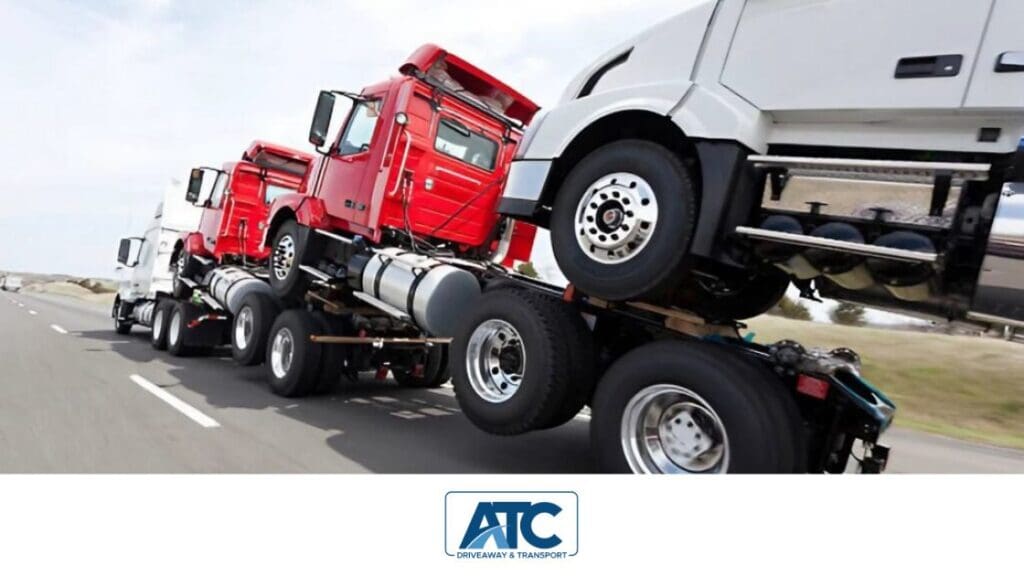
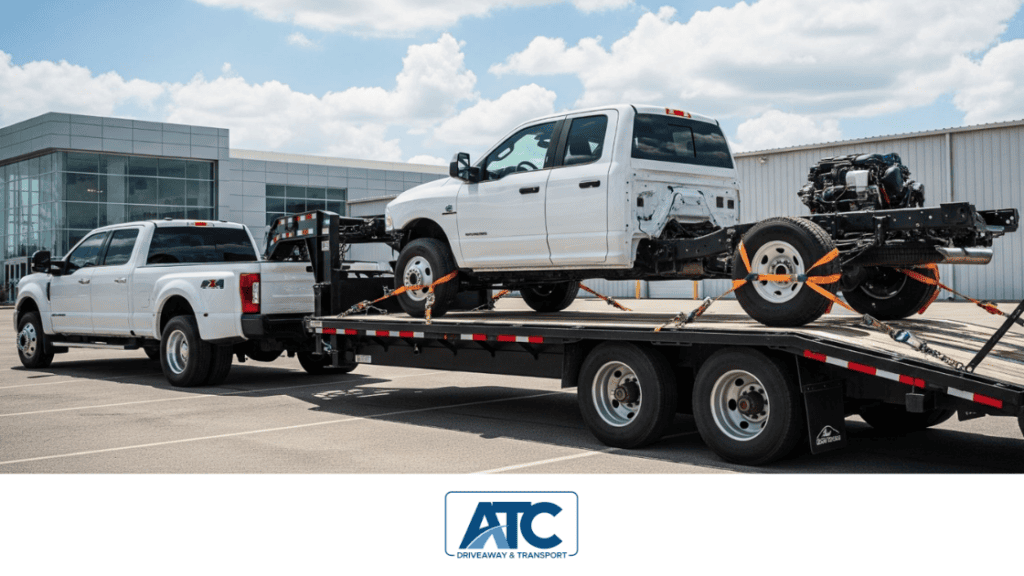
Driveaway services have become one way to help bridge capacity gaps by connecting qualified drivers with vehicle moves through digital platforms. These solutions provide flexibility while helping transportation providers maintain service levels during periods of labor pressure.
Why These Logistics Industry Trends Matter
The transportation landscape in 2026 is being shaped by technology, workforce challenges, sustainability goals, and evolving customer expectations. Companies that invest in AI, real-time visibility, digital compliance solutions, and innovative transportation models will be better equipped to improve efficiency and remain competitive.
By understanding and adapting to these logistics industry trends, fleet operators, carriers, and logistics providers can position themselves for long-term success in a rapidly changing marketplace.
Stay Ahead of Logistics Industry Changes with ATC Driveaway
As the logistics industry continues to evolve, having a reliable transportation partner is more important than ever. At ATC Driveaway, we help businesses move vehicles efficiently across the United States with flexible driveaway solutions designed to support changing capacity demands and operational goals.
Whether you’re looking to supplement traditional trucking, relocate fleet vehicles, or streamline vehicle transportation, our experienced team is here to help.
Ready to learn how driveaway services can support your business? Contact ATC today to discuss your transportation needs and discover a customized solution for your fleet.
Frequently Asked Questions
What is the most important logistics industry trend in 2026?
Artificial intelligence is one of the most significant trends in 2026 because it helps transportation companies optimize routes, reduce costs, improve planning, and increase operational efficiency.
How is technology changing the logistics industry?
Technology is improving visibility, automation, compliance management, route planning, fleet maintenance, and customer communication throughout the supply chain.
Why is real-time tracking important for transportation companies?
Real-time tracking helps companies improve customer service, increase operational efficiency, reduce delays, and make more informed fleet management decisions.
How is the trucking industry addressing driver shortages?
Transportation companies are increasing pay, enhancing benefits, expanding recruitment efforts, improving retention strategies, and leveraging technology to maximize existing resources.
What role does sustainability play in logistics?
Sustainability initiatives help companies reduce emissions, lower fuel consumption, meet regulatory requirements, and align with growing customer expectations for environmentally responsible operations.
How can companies stay competitive in the logistics industry?
Businesses can remain competitive by investing in technology, improving operational efficiency, embracing digital compliance tools, prioritizing customer visibility, and adapting to changing market demands.