January and February are statistically two of the riskiest months on America’s roadways. Snow, black ice, freezing rain and short daylight periods make for dangerous driving conditions that even the most experienced commercial operators have a hard time with.
Fleet managers tracking vehicles around the country find that winter is more than a simple inconvenience; it’s a hazardous season that requires advance route planning, extensive pre-trip inspections, and skillful drivers. A system of winter road safety best practices helps fleet managers avoid expensive downtime, protect their assets and avoid business interruption.

Why Winter Weather Escalates Risk for Commercial Fleets
Severity of snow and ice conditions requires a different handling expertise for commercial fleet vehicles, from a Class 8 truck to boom vehicle down to a medium duty chassis.
- Longer Stopping Distances: From a standstill or during slow, controlled stops, loaded heavy commercial vehicles may need as much as ten times more stopping distance on frozen, snowy or icy surfaces as they do on dry roads.
- Maneuverability: A high center of gravity and heavy axels can predispose a rig to the jackknifing and rollover of a slickramp or black ice.
- Cascading operational expenses: It’s the missed deliveries, towing bills, FMSCA reviews, and supply chain disruptions in far-reaching locations caused by one single winter crash.
4 Pillars of Winter Fleet Safety and Reliability
Four fundamental safety practices are crucial to assure a superior level of reliability for our fleets in difficult weather conditions:
1. Experienced Driver Selection as the Primary Defense
Not all operators are able to cope with sudden whiteouts, mountain passes and crosswinds. The reliance on experienced, professional drivers with adequate knowledge of winter vehicle operation will reduce the accident rates significantly.
Essential Winter Driving Competencies Include:
- Be aware and able to see warning signs (like the disappearing mist around other cars) before black ice affects control.
- Controlled braking using the correct engine braking and retarder rules on slick surfaces. Preventing jackknifing.
- Slow down and increase the gap between your vehicle and others during periods of reduced visibility (light flurries of snow.)
- Properly managing chain laws, mountain passes, and rural highway transit.
2. Route Planning as a Strategic Safety Tool
Managing winter logistics is not a quest for the shortest route, but for the safest and most secure route.
- Live DOT Monitoring: Monitor state department of transportation road closures, road construction and travel advisories in real-time.
- Elevation and Climate Monitoring: Traveling via routes that don’t venture too far into high-altitude mountain terrain prone to sudden and severe blizzards or mandatory snow chain requirements.
- Setting Up Safe Haven Stops: Locating safe areas with proper parking amenities at various locations within a corridor to pull drivers out of transit for safety during large storm fronts until it moves out of the area.
3. Rigorous Cold-Weather Pre-Trip Inspections
Existing weaknesses in your commercial assets tend to be worsened with below zero temperatures. Proactive pre-trip inspections also avoid breakdowns along secluded remote and exposed areas.
|
Inspection Area |
Critical Winter Checkpoint |
|
Tires & Tread |
Verify inflation (tire pressure drops in cold weather) and deep tread depth for traction. |
|
Brake Systems |
Check air line moisture drains to prevent frozen valves and ensure immediate pad response. |
|
Electrical & Battery |
Test cold-cranking amps (CCA) and alternator output under heavy defroster load. |
|
Visibility & Fluids |
Inspect wiper blades, high-output defrost systems, and cold-rated washer fluid levels. |
|
Lighting & Signals |
Ensure LED road lights are clear of packed snow and ice buildup for low-visibility transit. |
4. Proactive Communications and Real-Time Tracking
When you ensure continuous and open communication on your winter transit you avoid having operational surprises. By sharing updates in real time as harsh weather may have a truck detoured or a safety hold, your fleet ops can modify scheduling with delivery sites, adjust staff on- site and inform stakeholders.
Frequently Asked Questions
What is the safest way to move fleet assets during winter storm warnings?
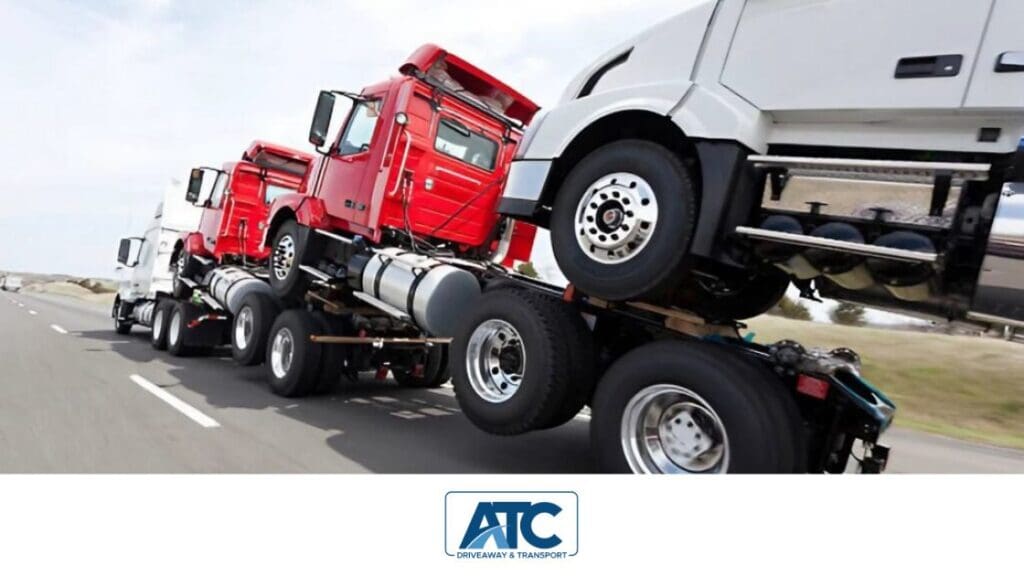
An experienced drive away service ensures a single commercial vehicle is transported on its own wheels by experienced drivers and can respond to variations in the weather and the regulations that would prevent a trailer being towed and remain secure when required.
How do winter weather delays impact fleet delivery ETAs?
A driver-centric focus supersedes the need to strictly enforce limits. The highest standard of driving partner will track coming weather fronts and advise of changes in estimated truck delivery times with advance notification, enabling the consignor to adjust their workflow and staffing without unnecessary confusion.
Partner with ATC Driveaway for Secure Winter Logistics
Just because it’s winter season doesn’t mean you should be caught off-schedule or lose any sleep over your fleet. ATC Driveaway proactively manages winter safety concerns within our driver dispatching, route planning and vehicle delivery processes. You know your trucks are in good hands with a seasoned professional driver behind the wheel, expertly guiding your fleet across the nation.
Call ATC Driveaway to discuss your winter transportation needs and reliable fleet relocation service.