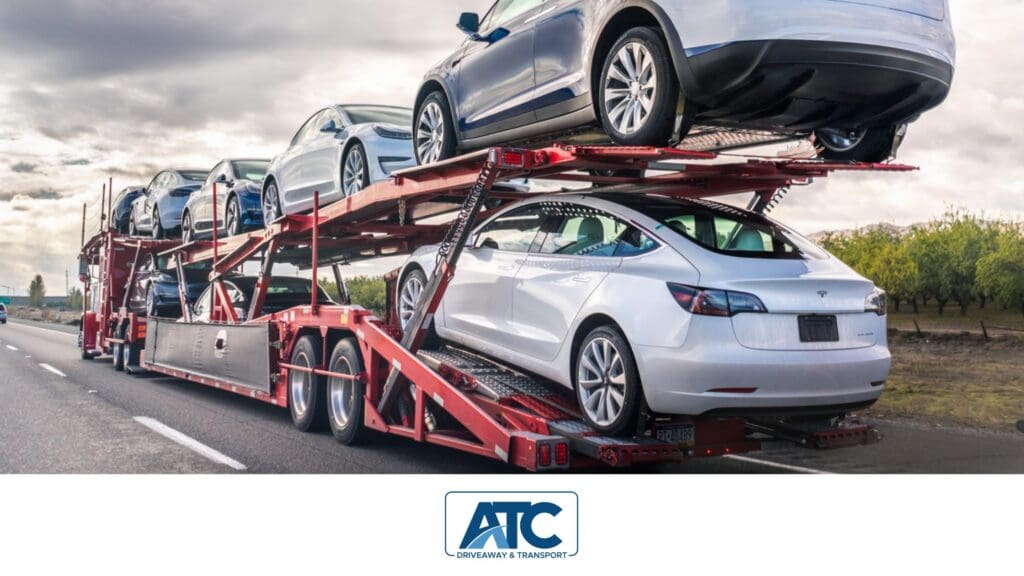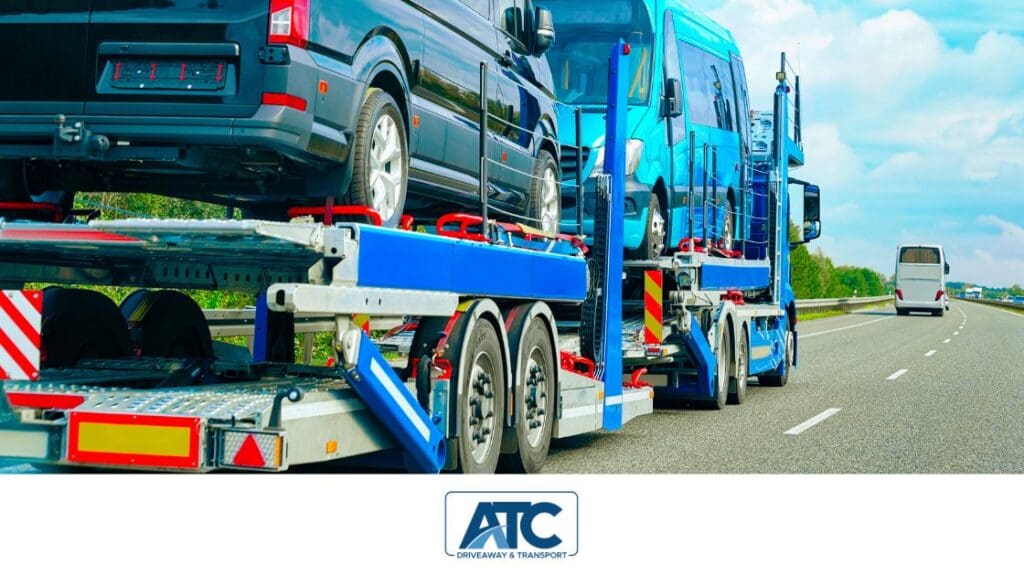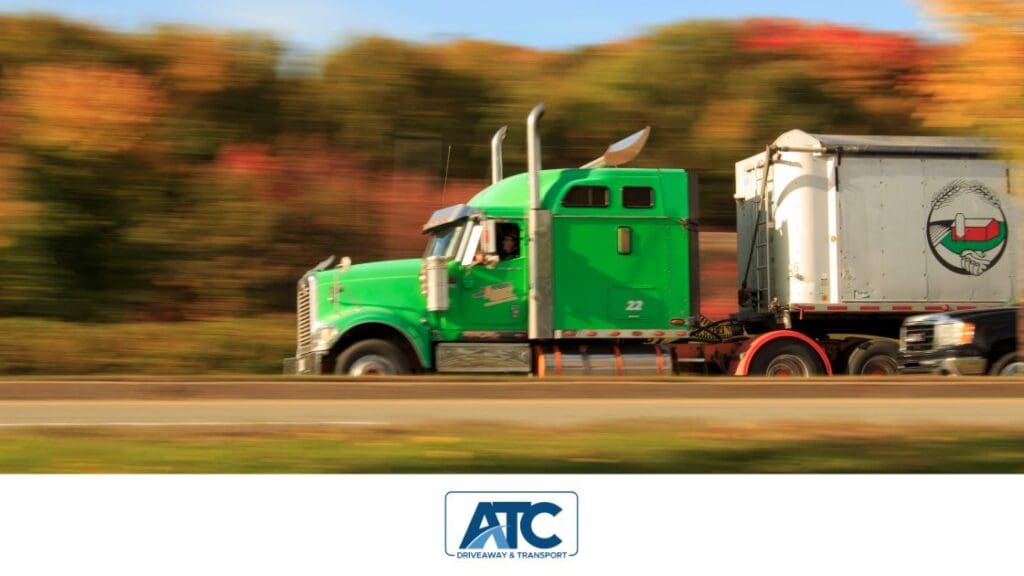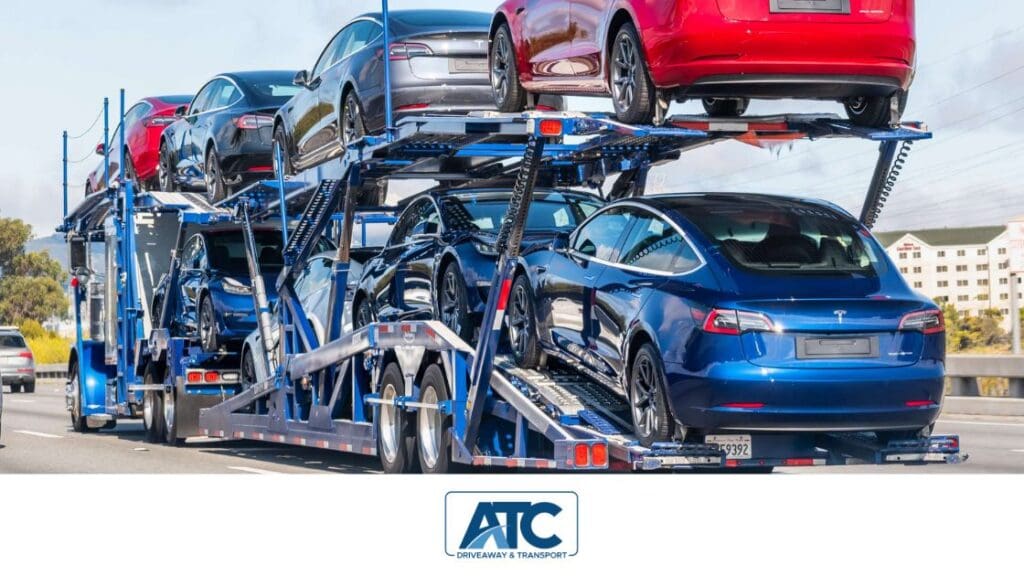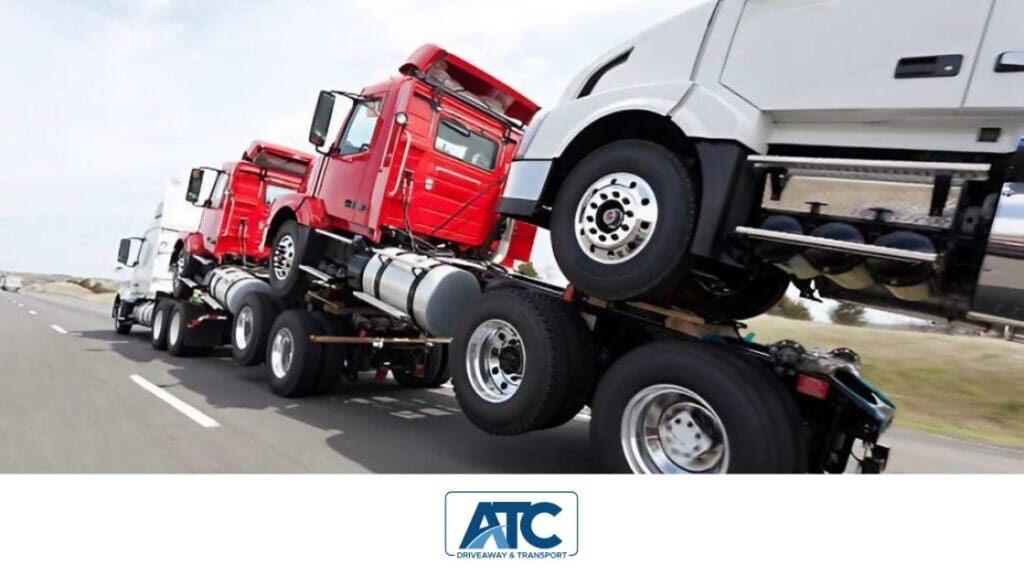
Shipping a vehicle can make a long-distance move, purchase, sale, or relocation much easier. But before you hand over the keys, there are a few things you can do to help make the transportation process go more smoothly.
Whether you’re shipping a personal vehicle, pickup truck, commercial vehicle, or specialty vehicle, preparation matters.
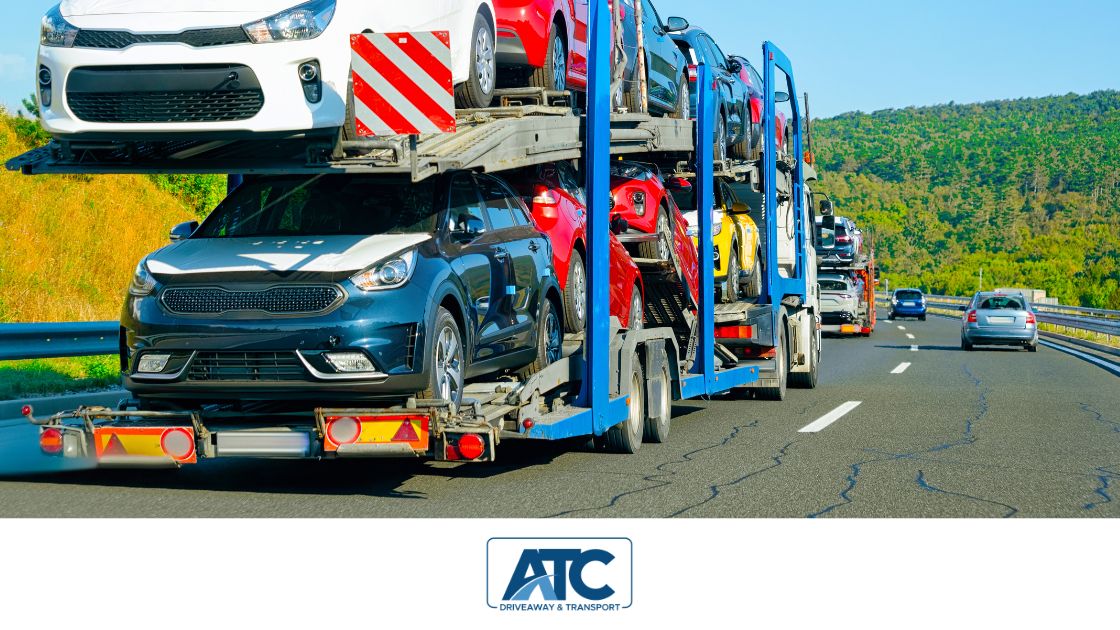
Here are three important do’s and three don’ts to keep in mind before shipping your car.
DO: Document Your Vehicle’s Condition
Before your vehicle is picked up, take clear photos of its current condition.
Photograph the front, rear, both sides, wheels, and any areas with existing scratches, dents, chips, or other visible damage. Keep these photos for your records so you have a clear picture of the vehicle’s condition before transportation.
It can also help to give the vehicle a quick wash beforehand. A clean exterior makes existing marks and damage easier to see and document.
DO: Remove Personal Belongings
Before shipping your car, clean out the interior, trunk, storage compartments, and any other areas containing personal belongings.
Remove valuables, electronics, paperwork, loose accessories, and anything else that doesn’t need to travel with the vehicle.
This is especially useful if you’re moving a commercial vehicle that normally carries tools, equipment, supplies, or other business materials. A quick cleanout before pickup can help ensure the vehicle is ready for transportation.
DO: Provide Accurate Vehicle Information
The more your transportation provider knows about the vehicle, the easier it is to plan the move.
Provide accurate information about the year, make, model, dimensions when relevant, pickup and delivery locations, and most importantly, the vehicle’s operating condition.
If the vehicle doesn’t run, has mechanical problems, has been modified, or has other characteristics that could affect transportation, communicate those details before pickup.
For specialty and commercial vehicles, additional information about size, weight, configuration, or modifications can be particularly important.
DON’T: Wait Until Pickup to Mention Vehicle Problems
Transportation providers need to know what they’re moving before they arrive.
If a vehicle has a dead battery, flat tire, steering issue, fluid leak, mechanical problem, or another condition that could affect loading or operation, don’t leave it as a surprise for pickup day.
Communicating unusual conditions ahead of time allows the transportation plan to account for the actual condition of the vehicle.
This becomes even more important with non-standard commercial and specialized vehicles.
DON’T: Forget About Pickup and Delivery Access
One detail that’s easy to overlook is whether the pickup and delivery locations can accommodate the transportation equipment being used.
Residential streets, parking lots, dealerships, storage facilities, construction sites, and commercial properties can all have different accessibility considerations.
When arranging vehicle shipping, provide accurate information about the origin and destination. If you know there are tight spaces, gates, limited access, or other potential obstacles, mention them ahead of time.
DON’T: Assume Every Vehicle Is Shipped the Same Way
Car shipping isn’t one-size-fits-all.
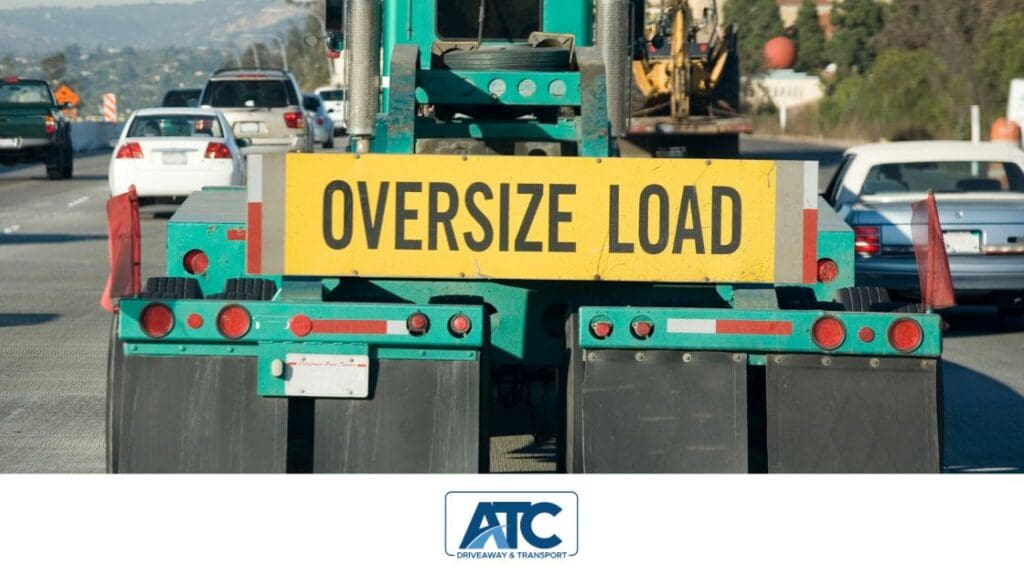
A standard passenger car may have very different transportation needs from a commercial truck or specialized vehicle. Larger vehicles and equipment can introduce additional considerations involving their size, weight, configuration, and operating condition.
ATC provides both transport and driveaway solutions, allowing the transportation approach to be matched to the vehicle and the needs of the move.
For a suitable road-ready commercial vehicle, driveaway may be an option. Other cars, trucks, specialized vehicles, construction equipment, and heavy machinery may need to be transported instead.
How Should You Prepare on Pickup Day?
Before pickup, make sure you have completed your final vehicle inspection, removed unnecessary belongings, and communicated any important information about the vehicle or location.
Having the pickup and delivery details organized can also help prevent unnecessary complications.
Most importantly, don’t be afraid to communicate. If something about the vehicle changes between booking and pickup, make sure your transportation provider knows.
Shipping More Than a Car?
ATC’s transportation capabilities extend beyond traditional car shipping.
Businesses may need to relocate commercial trucks between facilities, transport specialized vehicles to a customer, move construction equipment to another location, or coordinate transportation for heavy machinery.
Each type of asset presents different considerations. Understanding exactly what is being moved is the first step toward determining the right transportation solution.
Make Your Next Move Easier With ATC
Whether you’re moving a car, commercial truck, specialized vehicle, construction equipment, or heavy machinery, preparing ahead of time can help create a smoother transportation experience.
ATC provides driveaway and transport solutions for vehicles and equipment traveling across the country. From an individual vehicle to larger transportation projects, ATC helps customers find a solution appropriate for what they need to move.
Have a car, truck, or piece of equipment that needs to go somewhere? Contact ATC to discuss your transportation needs and get your next move started.