Vehicle technology continues to evolve, and federal regulators are taking another look at whether current lighting standards are keeping pace.
On October 6, 2026, the National Highway Traffic Safety Administration (NHTSA) announced an effort to modernize Federal Motor Vehicle Safety Standard No. 108, which governs vehicle lighting. The review will examine areas such as headlight glare, LEDs, automatic high beams, headlamp height and aim, testing procedures, and newer lighting technology.
While no new requirements have been implemented yet, the review is worth watching for businesses that operate, buy, sell, manage, or transport commercial vehicles and equipment.
What Is NHTSA Reviewing?
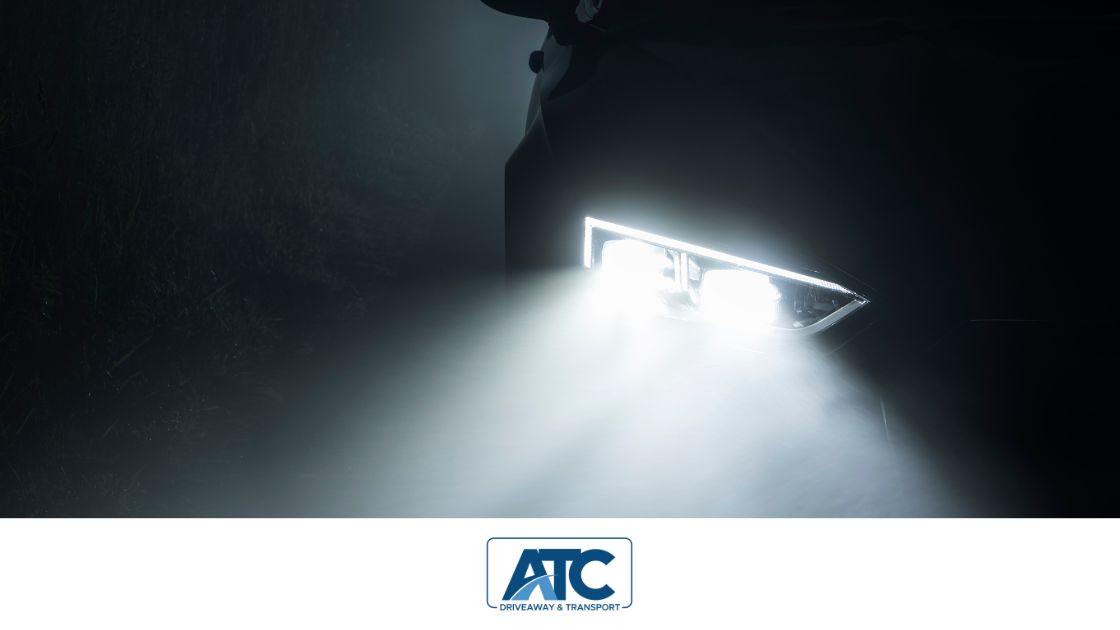
One of NHTSA’s primary areas of focus is headlight glare. The agency plans to examine how modern headlighting technology contributes to glare for other road users and whether changes to current standards are appropriate. It will also evaluate how headlamp height and aim affect driver visibility.
NHTSA is also reviewing newer technologies including LEDs, dusk sensors, automatic high beams, and replaceable light sources. Testing procedures involving plastic optics and replaceable lenses are part of the review as well.
The larger goal is to determine how federal standards can better accommodate modern vehicle lighting technology while addressing safety concerns.
Why This Matters Beyond Traditional Trucking
Truck lighting may be getting attention, but commercial transportation extends far beyond tractor-trailers.
Businesses rely on everything from work trucks and vocational vehicles to construction equipment, heavy machinery, and specialized vehicles to keep operations moving.
For companies acquiring and managing these assets, regulatory changes are another development to keep on the radar, particularly as manufacturers introduce newer vehicle technologies.
At ATC, we see how diverse transportation needs can be. One customer may need commercial trucks repositioned between locations, while another needs a piece of heavy construction equipment hauled to its next destination.
The equipment is different, but the underlying challenge is the same: getting valuable assets where they need to go.
Moving Commercial Trucks and Vehicles
Commercial vehicles are constantly being purchased, sold, relocated, delivered, and repositioned.
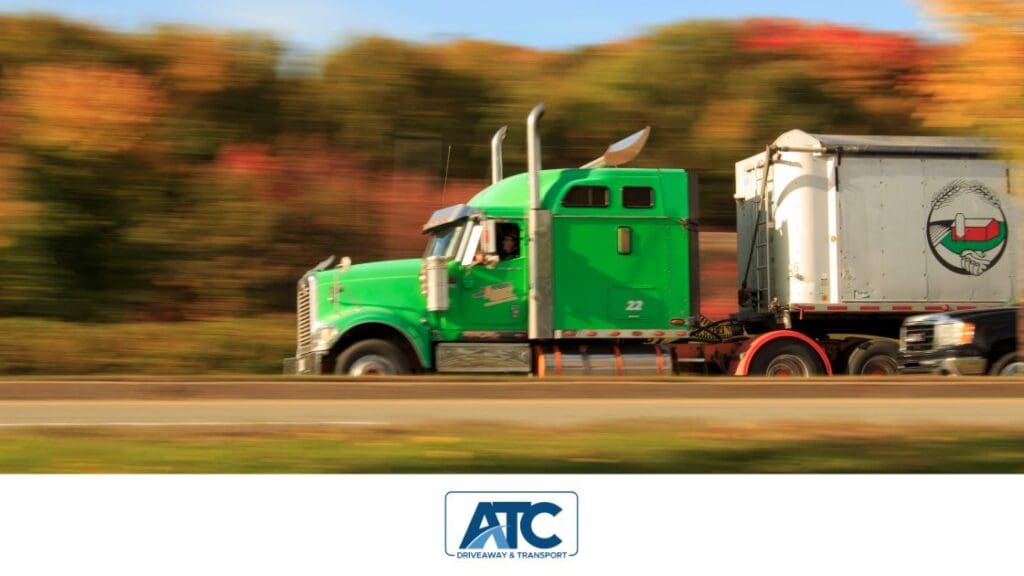
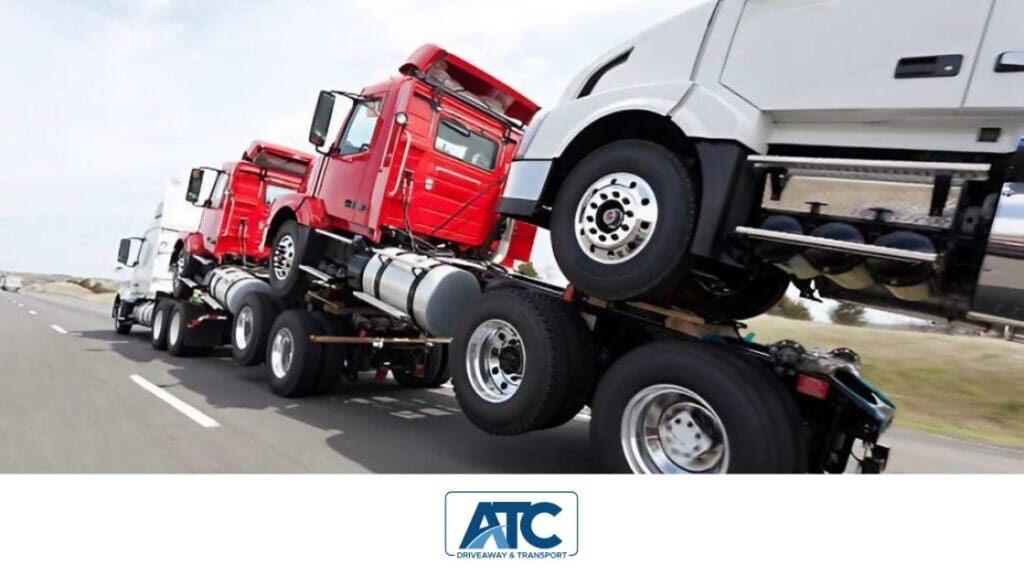
When a vehicle is road-ready and appropriate for driveaway, ATC can coordinate its movement under its own power. This can provide businesses with a straightforward solution when trucks and other commercial vehicles need to get from one location to another.
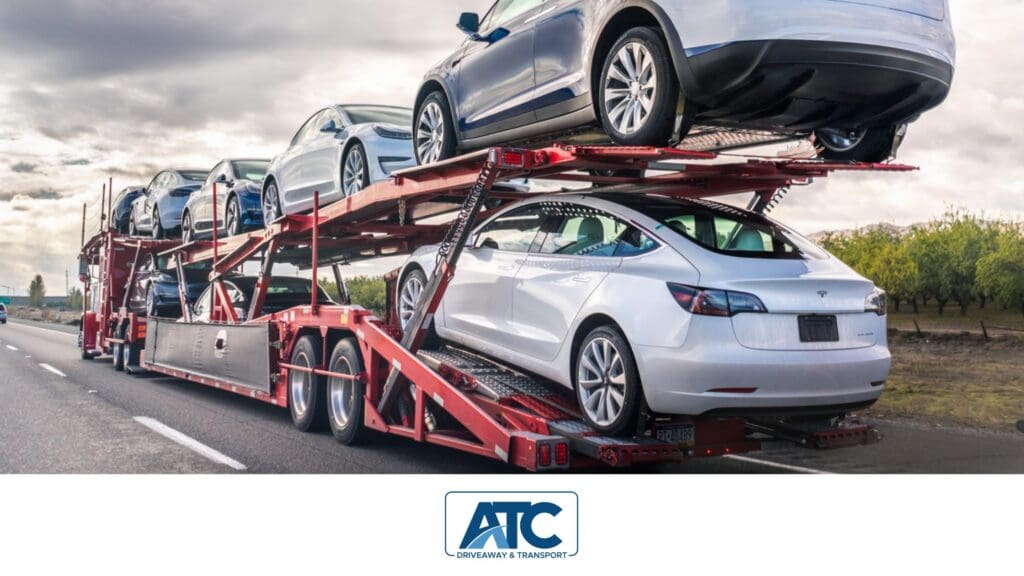
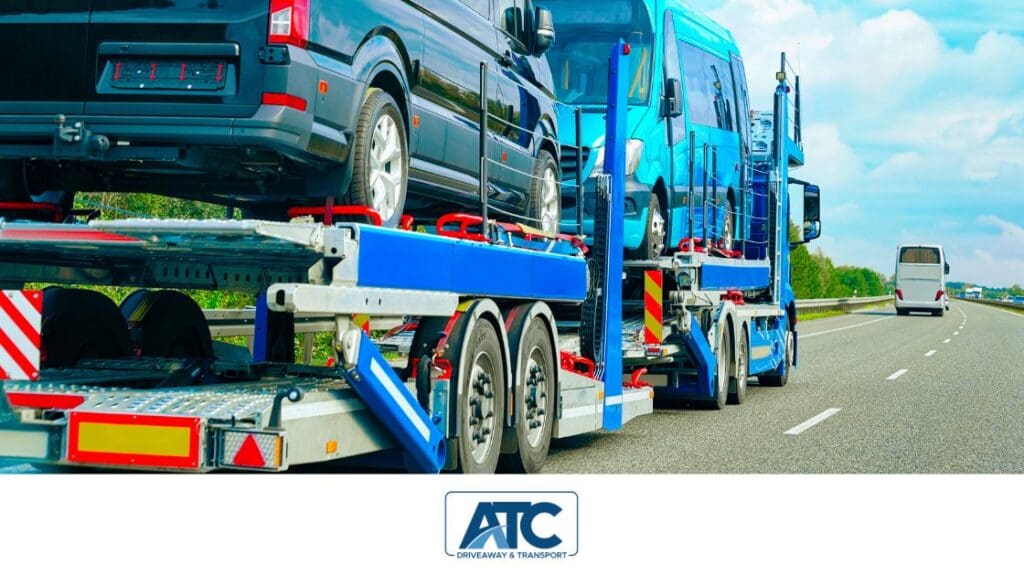
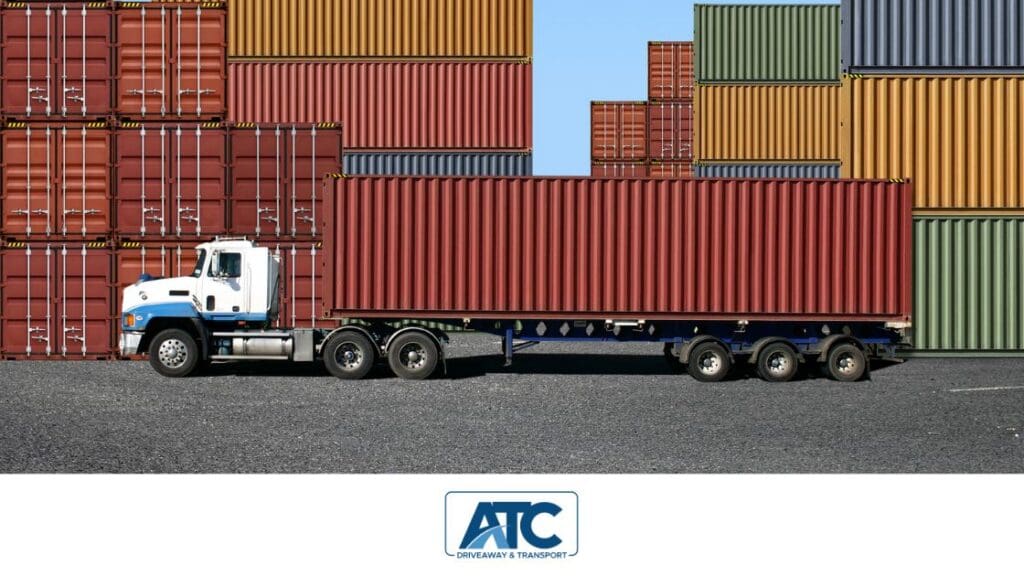
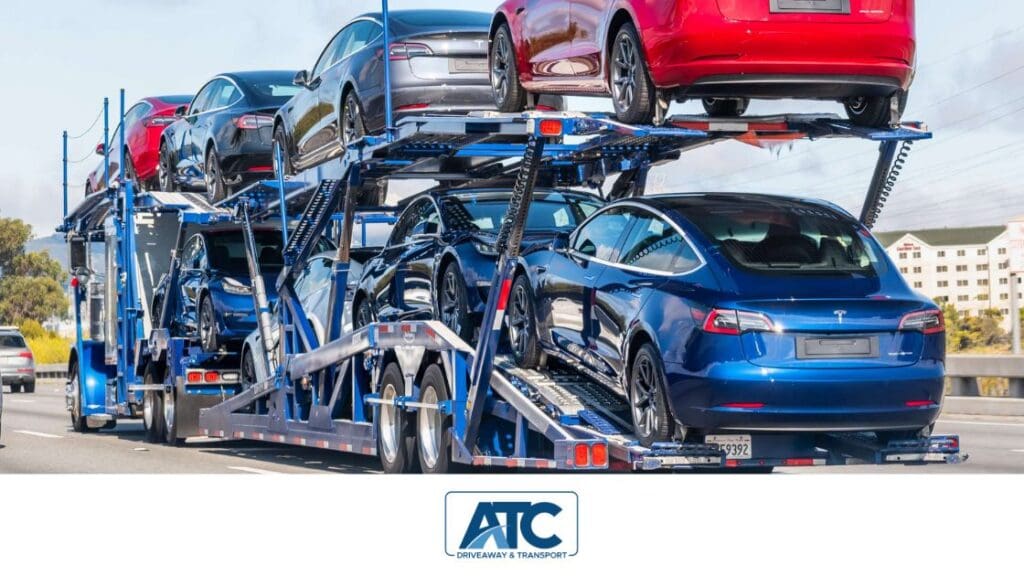
For vehicles that need to be hauled instead, ATC’s transport services provide another option.
Having access to both driveaway and transported solutions gives businesses greater flexibility when transportation requirements vary from one move to the next.
Construction Equipment and Heavy Machinery Have Different Needs
Not every asset can simply be driven to its destination.
Construction companies, equipment dealers, rental companies, contractors, and other businesses may need to move heavy or specialized equipment between facilities, dealerships, buyers, sellers, and project locations.
These moves can involve equipment that differs significantly from a standard commercial vehicle. Size, weight, configuration, destination, and other factors can influence how a piece of equipment needs to be transported.
ATC’s transportation services extend beyond traditional trucks, helping customers coordinate moves involving construction equipment, heavy machinery, commercial vehicles, and other specialized assets.
Specialized Vehicles Require Flexible Transportation Solutions
Some vehicles do not fit neatly into a standard transportation category.
Specialized commercial vehicles may be built for a specific industry or application, creating transportation requirements that need to be evaluated on an individual basis.
That’s why flexibility matters.
Rather than approaching every move the same way, ATC offers both driveaway and transport options. The right solution depends on the vehicle or equipment being moved and the requirements of the individual project.
This makes ATC relevant not only to fleet operators, but also to companies throughout the commercial vehicle, construction, equipment, manufacturing, leasing, dealership, and related industries.
Changing Technology Makes Transportation Expertise More Important
NHTSA’s lighting review is one example of how commercial vehicles and equipment continue to change.
The agency is using negotiated rulemaking to evaluate potential updates to its lighting standards, marking the first time in more than 25 years that it has used this process for vehicle lighting. NHTSA says the process will involve stakeholders from vehicle lighting manufacturers, equipment associations, safety organizations, research institutions, and engineering associations.
For businesses that depend on commercial vehicles and heavy equipment, developments like these reinforce the importance of keeping up with an evolving industry.
Transportation partners need to evolve along with it.
Are There New Lighting Requirements Right Now?
No. NHTSA’s October announcement begins a rulemaking process rather than establishing a new set of final vehicle lighting requirements.
The agency is accepting public comments and committee membership applications through November 9, 2026.
For businesses managing trucks, equipment, and other commercial assets, the important step right now is simply staying aware of how the review develops.
Keep Your Trucks and Equipment Moving With ATC
Whether you manage a fleet of commercial trucks, operate construction equipment, sell heavy machinery, or need to relocate a specialized vehicle, transportation should not become another operational headache.
ATC provides driveaway and transport solutions for commercial trucks, construction equipment, heavy machinery, specialized vehicles, and more.
From moving an individual vehicle to coordinating larger transportation projects, ATC helps businesses get their assets where they need to go.
Need to move a truck, piece of construction equipment, heavy machine, or specialized vehicle? Contact ATC to find the transportation solution that fits your needs.