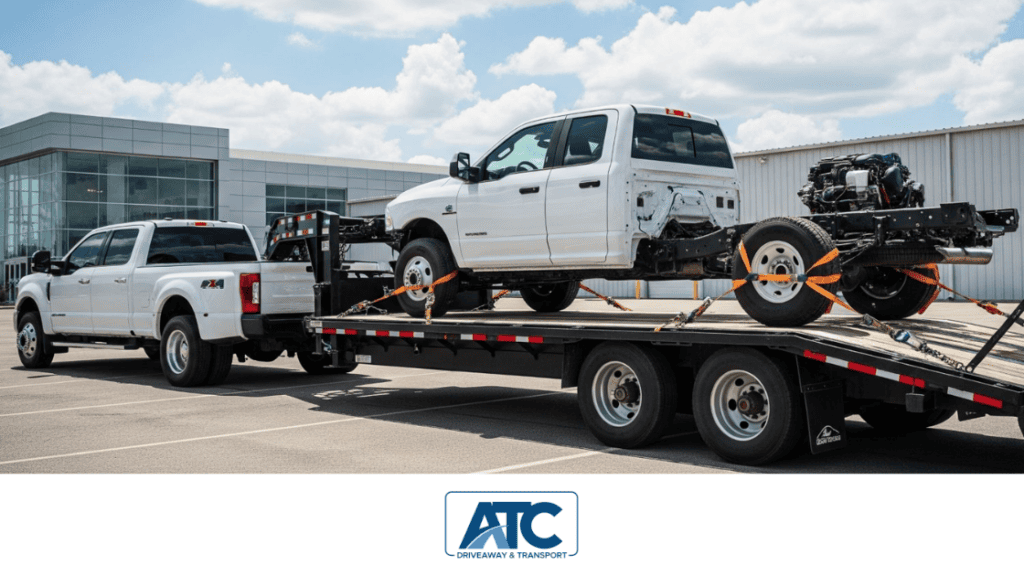
Whether you’re relocating a single vehicle or coordinating transportation for multiple commercial units, a little preparation can help make the shipping process easier from pickup through delivery.
For businesses, dealerships, leasing companies, equipment owners, and other organizations, vehicle transportation can involve everything from standard cars and pickup trucks to commercial vehicles and specialized equipment. Regardless of what you’re moving, preparing the vehicle before pickup is an important part of the process.
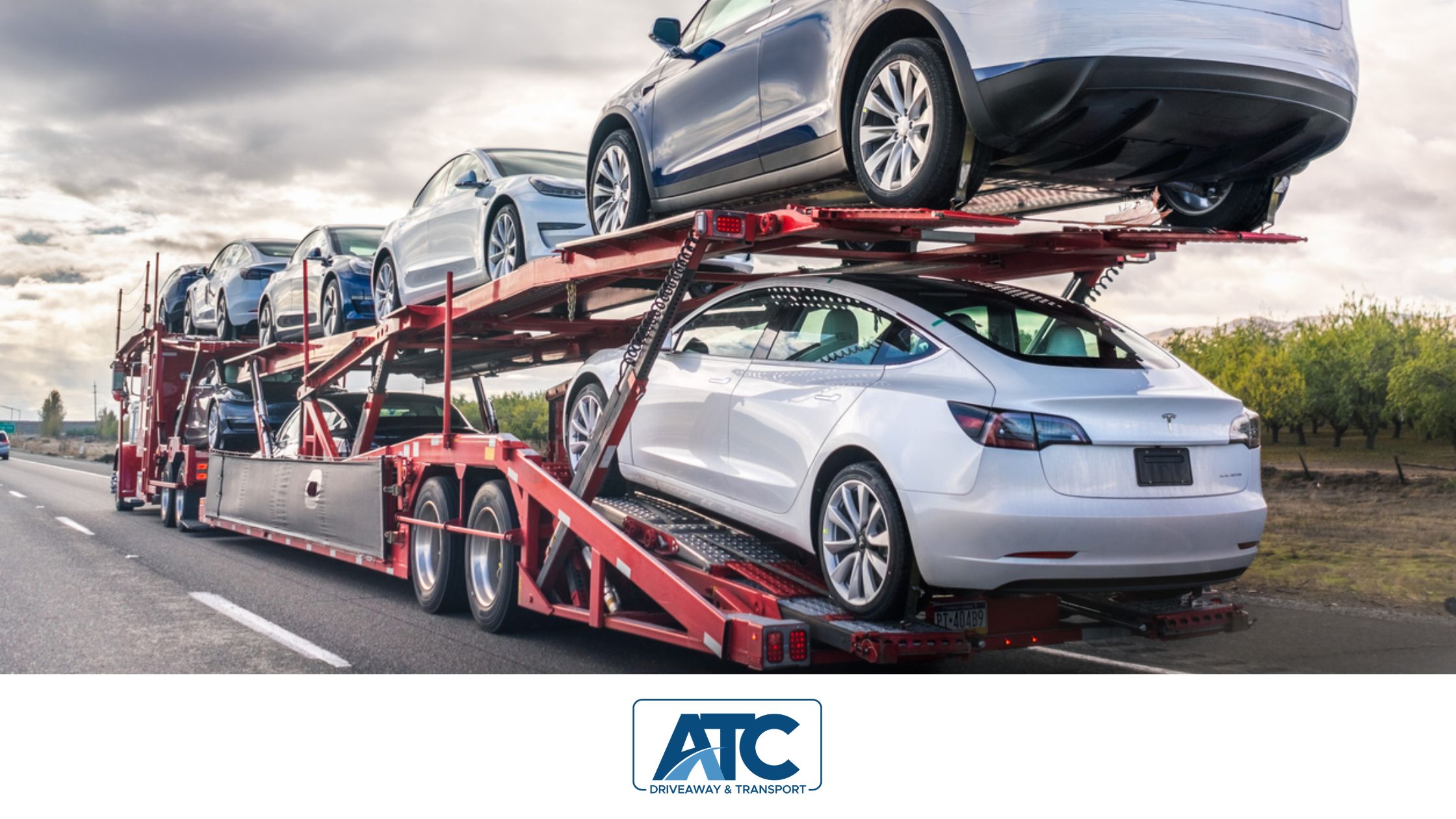
Here are seven practical steps to take before your vehicle is transported.
1. Remove Personal and Unnecessary Items
Before your vehicle is picked up, take a few minutes to remove personal belongings and anything that does not need to travel with the vehicle.
Check the cabin, trunk, storage compartments, truck bed, and other areas where loose items may have accumulated. For commercial vehicles, this is also a good opportunity to remove unnecessary tools, paperwork, equipment, or other materials.
Starting with a cleared-out vehicle makes it easier to prepare the unit for transportation.
2. Check the Vehicle’s General Condition
Before shipping, check the vehicle for any obvious mechanical or operational issues.
Pay attention to the battery, tires, fluid leaks, and other basic conditions that could affect pickup or delivery. If you already know about a mechanical problem, communicating it ahead of time can help prevent surprises.
This is especially important when transporting commercial trucks, specialty vehicles, or older equipment where operating conditions may vary considerably between units.
3. Document the Vehicle Before Transport
Take clear photos of the vehicle before it leaves.
Capture the front, rear, both sides, and any existing scratches, dents, or other visible damage. For larger commercial vehicles or equipment, photograph important exterior areas and existing wear as well.
Having a clear record gives you a useful reference for the vehicle’s pre-shipment condition.
4. Secure Loose Parts and Accessories
Look around the vehicle for accessories or components that may need additional attention before transportation.
Depending on the type of vehicle, this could include aftermarket accessories or other exterior equipment. Commercial vehicles and specialized equipment can have additional components that should be considered when preparing for transportation.
If you’re uncertain about a particular accessory or piece of equipment, discuss it with your transportation provider before pickup.
5. Make Sure Pickup and Delivery Locations Are Accessible
Preparing the vehicle is only part of the process. The pickup and delivery locations matter, too.
Consider whether the transportation equipment will have adequate room to safely access each location. Construction sites, storage yards, dealerships, facilities, and other commercial properties can present very different conditions.
Providing accurate information about the locations in advance can help everyone plan appropriately.
6. Have the Necessary Information Ready
Transportation is easier when important details are communicated upfront.
Make sure your transportation provider has accurate information about the vehicle, pickup location, delivery location, and any circumstances that could affect the move.
For businesses moving commercial trucks, construction equipment, heavy machinery, or specialized vehicles, providing accurate specifications is particularly important because transportation requirements can differ greatly from one asset to another.
7. Choose the Right Transportation Method
Not every vehicle needs to be moved the same way.
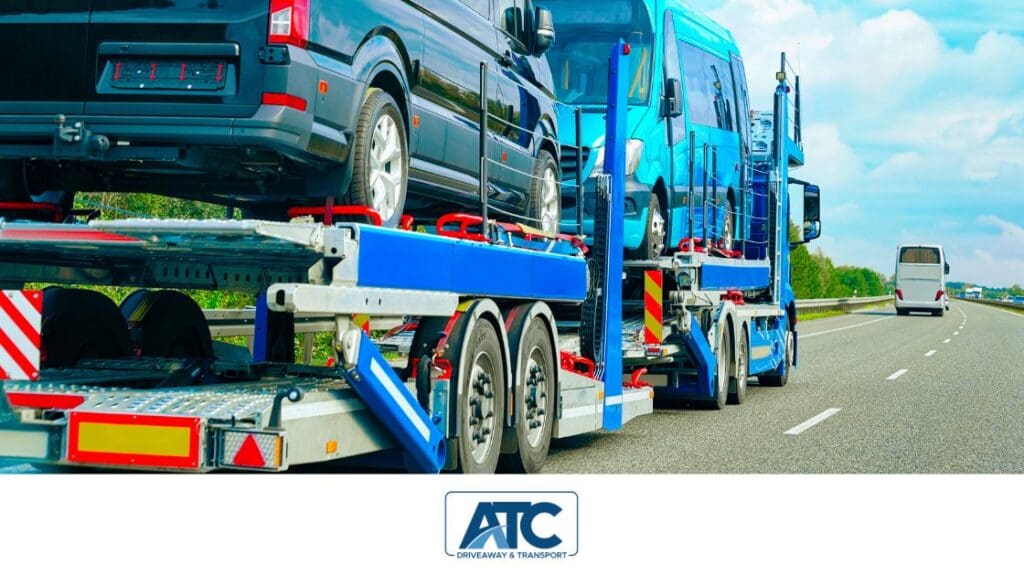
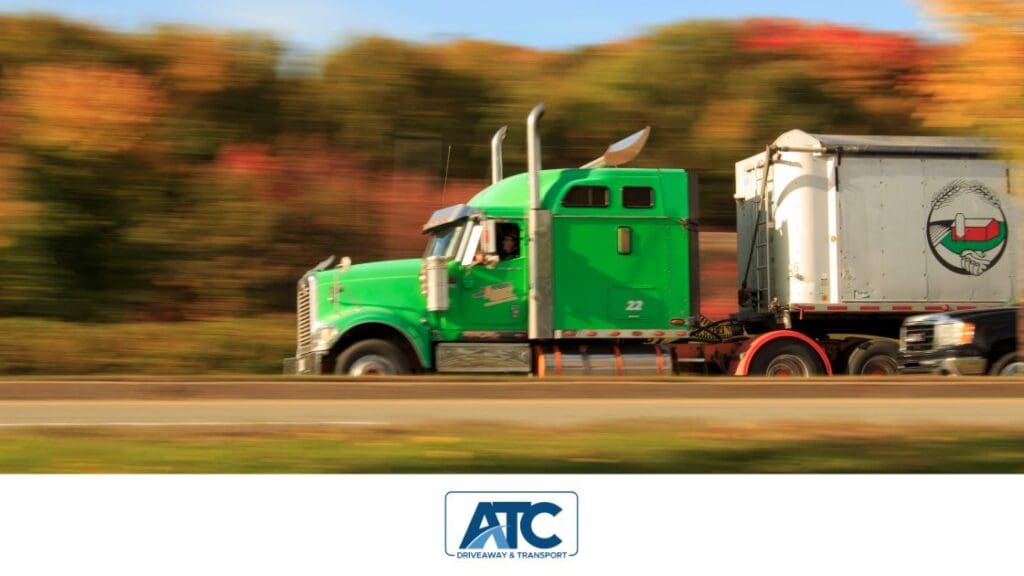
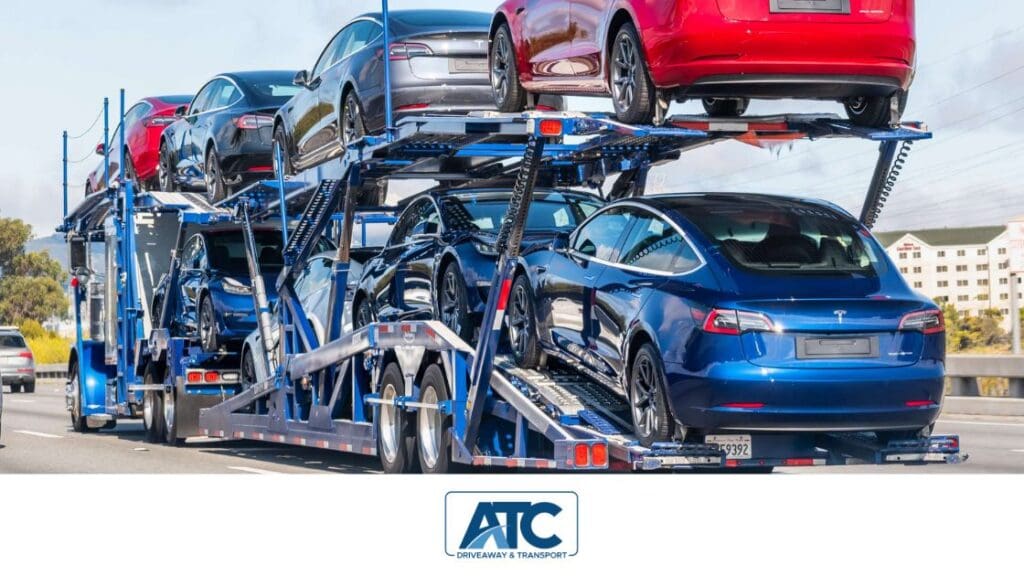
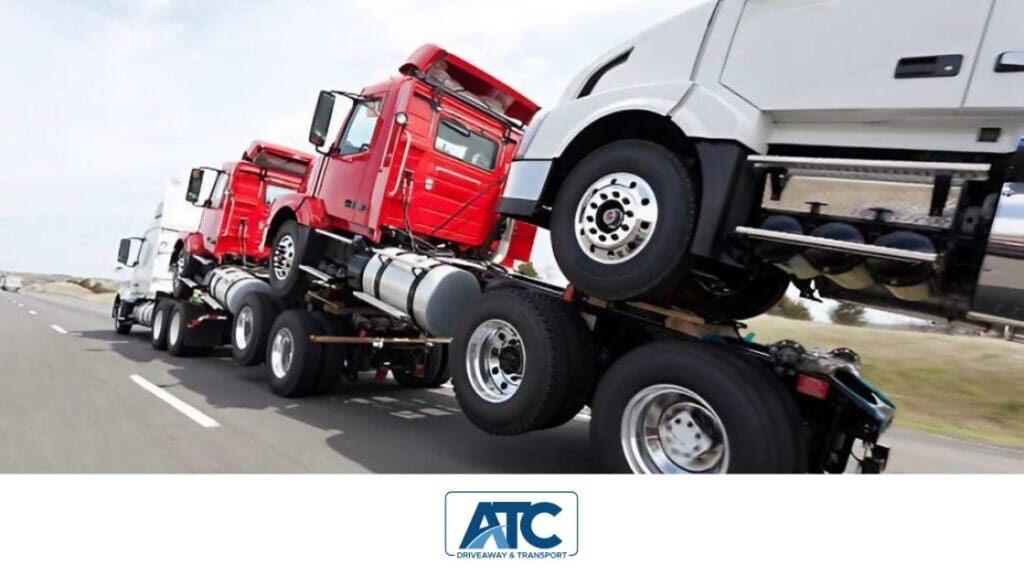
A standard vehicle may be suitable for traditional transported service, while a road-ready commercial vehicle may be a good candidate for driveaway. Heavy construction equipment, machinery, and specialized vehicles may require a different transportation solution based on their size, weight, configuration, and condition.
That is why working with a transportation provider that offers multiple options can be valuable.
ATC provides both driveaway and transport services, giving customers flexibility when moving cars, trucks, commercial vehicles, construction equipment, heavy machinery, and specialized vehicles.
Vehicle Shipping Isn’t One-Size-Fits-All
The right way to prepare for transportation depends on what you’re moving.
A dealership relocating vehicles has different needs from a construction company moving equipment. A business transferring commercial trucks between locations may require a different approach than a company transporting a specialized vehicle that cannot be driven to its destination.
Planning ahead and communicating the details of the move can help your transportation provider determine an appropriate solution.
Move Your Vehicles and Equipment With ATC
From individual vehicles to commercial trucks and heavy equipment, ATC helps businesses get their assets where they need to go.
With driveaway and transport solutions for cars, trucks, commercial vehicles, construction equipment, heavy machinery, specialized vehicles, and more, ATC can help coordinate transportation based on the needs of your specific move.
Have a vehicle or piece of equipment that needs to go somewhere? Contact ATC to discuss your transportation needs and find the right solution for your next move.