If you are curious about what drayage means, you’re not alone. Drayage is an important element in shipping and logistics and involves moving freight efficiently between terminals like ports, rail yards, warehouses, and distribution centers. Though it accounts for a small percentage of a shipment’s overall trip, drayage is crucial to the overall supply chain success.
At ATC, we’ve got your back. No matter where your freight is headed, we know you want it delivered quickly, efficiently, and on time. That’s why we utilize drayage to link the various transport services involved in your delivery.
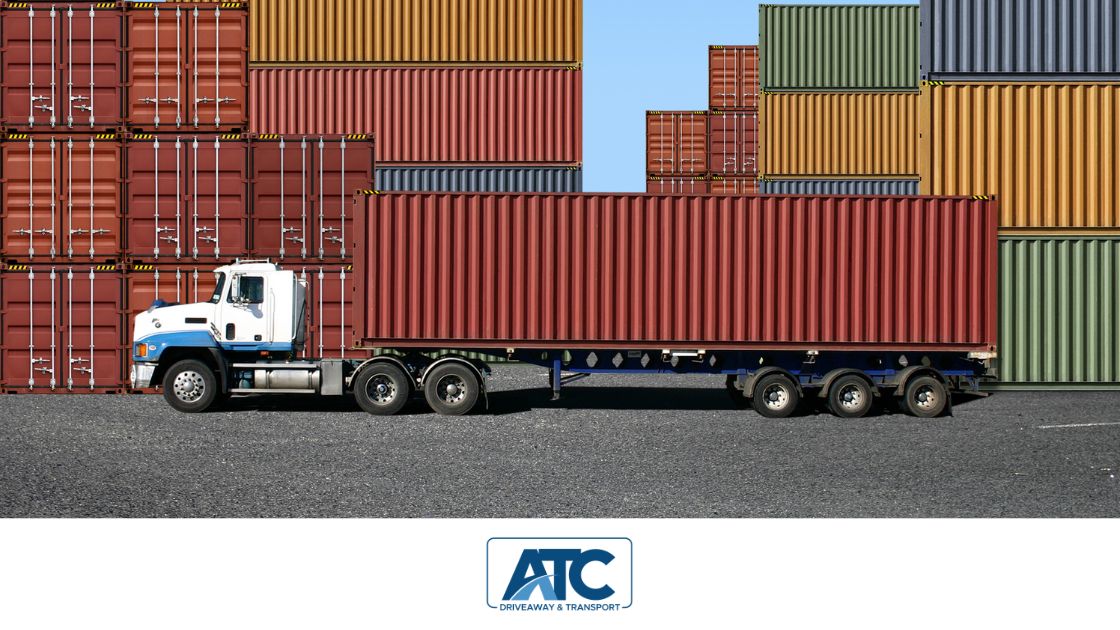
What’s the Drayage Definition?
Let’s start simple.
Drayage, simply put, is the transport of different freight over short distances as part of a longer shipping journey.
The best way to understand a drayage definition is by thinking of it as the movement of items between the different transportation hubs. A good example could be a container that arrives at a seaport that needs to be moved to a rail terminal nearby or some sort of warehouse before making it to its final place.
People that are exploring drayage meaning would be surprised to know that these short transits are one of the most vital links in the supply chain.
Defining Drayage in Logistics
The best way to define drayage in logistics is to contemplate how items are moved by the various transportation methods.
A shipment might travel:
- By cargo ship across an ocean
- By rail across several states
- By truck to a distribution center
- By local carrier to its final destination
Drayage is the short-haul movement that takes place between these different transport modes. Containers and freight wouldn’t be able to move effectively between ports, rail yards, warehouses, or distribution centers without it.
Where Did Drayage Meaning Come From?
The drayage meaning is derived from the term “dray.” A dray, in other words, was a low cart without sides, often used in the past to carry large or heavy items a short distance.
Although we’ve long since transitioned away from using horse-drawn carts and wagons, the process remains unchanged. Today’s drayage companies utilize trucks and other specialized equipment to move freight around designated transportation hubs.
Why Is Drayage so Important?
Now that you know what drayage means, here’s why it’s so vital.
Although drayage shipments usually cover only a few miles, they help:
- Keep freight moving efficiently
- Reduce delays between transportation modes
- Improve supply chain visibility
- Support intermodal transportation
- Help companies make their delivery schedules
Without drayage services, containers or goods can often be left at the port or rail terminals, resulting in costly breaks throughout the supply chain.
What Is Intermodal Drayage?
Intermodal transport is one of the most widely used applications of drayage.
Intermodal drayage is used whenever freight transitions from one mode of transportation to another, for example:
- Ship to truck
- Rail to truck
- Truck to rail
- Port to warehouse
This allows shippers the opportunity to make the most of each transportation form, all the while keeping costs and timetables intact.
Intermodal drayage is one of the most common types of freight drayage that is searched for online because it is a major component of what is currently the standard for freight shipping.
Common Types of Drayage
There are several different forms of drayage depending on the shipment’s needs.
Pier Drayage
Takes freight from a rail yard to a port or dock for ocean shipping.
Inter-Carrier Drayage
Transfers cargo between different transportation providers.
Drayage that is Door-to-Door
Transporting the freight all the way to the final destination of the customer.
Shuttle Drayage
Moves containers to temporary locations when ports or terminals become congested.
Expedited Drayage
Necessary for sensitive freight that needs urgent delivery, with as little room for delay as possible.
No matter the kind of drayage being utilized, they all serve their purpose to support the entire supply chain process.
How Drayage Supports the Transportation Industry
The drayage meaning extends far beyond moving containers a few miles.
Drayage helps support:
- Manufacturing facilities
- Distribution centers
- Retail supply chains
- Automotive transportation
- Construction projects
- Import and export operations
As our transportation system gets more advanced and expansive, the need for efficient drayage transportation services will only increase, so that businesses can always be certain of reliable freight transportation. We at ATC know how important all facets of transportation are.
ATC’s Commitment to Reliable Transportation
At ATC, we believe transportation solutions should always be reliable. In freight transportation, each and every step of the process can take place with a different carrier or trucking company, but every link in the chain needs to be critical to the overall success. Effective logistics planning, quality carriers, and transportation management all contribute to getting freight where it needs to go in a safe and timely manner.
Conclusion
Short-distance transportation of freight is what drayage means by definition and as part of a larger shipment that usually involves ports, rail yards, warehouses and distribution centers. Knowing what drayage means and what drayage is all about and how it is defined by businesses that use drayage in the form of drayage definition as part of their logistics process can help you to better understand why these short hauls are so important in the logistics industry today.
While drayage might not involve a very long haul for your freight, its impact on the transportation industry plays a very important role and makes an impact on your supply chain and how well transportation moves go in the grand scheme of things.