Boom truck delivery requires careful planning, specialized logistics, and compliance with transportation regulations. Whether you’re purchasing a single unit or coordinating a fleet expansion, a successful boom truck delivery ensures your equipment arrives safely, on time, and ready to work.
Unlike standard commercial vehicles, boom trucks often present unique transportation challenges due to their size, weight, height, and operating requirements. Businesses planning a boom truck delivery must account for permits, route restrictions, driver qualifications, and delivery site preparation.
According to the American Trucking Associations, trucks moved approximately 72.7% of the nation’s freight by weight in 2024, highlighting the importance of reliable transportation and logistics planning when moving commercial equipment.

Understanding Boom Truck Delivery Requirements
A successful boom truck delivery starts with understanding the regulations and logistical requirements involved in transporting specialized equipment.
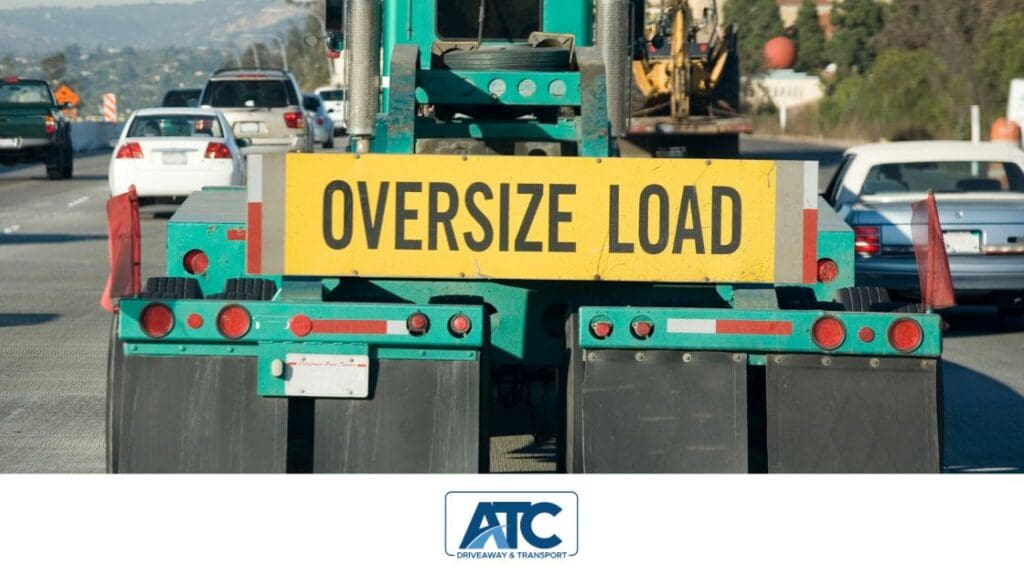
Oversized Load Permits
Many boom trucks exceed standard vehicle dimensions and may require oversized or overweight permits.
Permit requirements may depend on:
- Vehicle width
- Vehicle height
- Gross vehicle weight
- Axle configurations
- State transportation regulations
Obtaining the correct permits is a critical step in any boom truck delivery project.
Federal Weight Compliance
The Federal Highway Administration establishes interstate weight regulations that transportation providers must follow.
Important considerations include:
- Gross vehicle weight limits
- Single axle weight limits
- Tandem axle restrictions
- Route-specific limitations
Failure to comply can result in fines, delays, and transportation disruptions.
Driver Qualification Requirements
For certain types of boom truck delivery, drivers must hold the proper:
- Commercial Driver’s License (CDL)
- Endorsements
- Medical certifications
- Equipment-specific qualifications
Working with experienced transportation professionals helps ensure compliance throughout the delivery process.
Route Planning for Boom Truck Delivery
One of the most important parts of boom truck delivery is selecting the safest and most efficient route.
Factors to Consider
Transportation planners often evaluate:
- Bridge clearances
- Roadway restrictions
- Construction zones
- Weight-limited routes
- Urban access restrictions
- Traffic conditions
Proper route planning helps avoid delays and reduces transportation risk.
Why Route Optimization Matters
Effective routing can improve:
- Delivery schedules
- Fuel efficiency
- Equipment safety
- Regulatory compliance
For oversized equipment, route planning is often just as important as the transportation method itself.
Preparing for a Successful Boom Truck Delivery
Proper preparation helps ensure the boom truck delivery process runs smoothly from pickup to final delivery.
Conduct a Pre-Delivery Inspection
Before transport begins, perform a comprehensive inspection that includes:
- Brake systems
- Tires
- Hydraulic systems
- Safety equipment
- Lighting systems
A thorough inspection can identify potential issues before transportation starts.
Verify Insurance Coverage
Specialized cargo and liability coverage are important components of any boom truck delivery strategy.
Make sure transportation providers carry appropriate coverage for:
- Property damage
- Cargo protection
- Accident liability
- Equipment damage
Prepare the Delivery Site
Before your boom truck delivery arrives, ensure the destination can accommodate the vehicle.
Consider:
- Ground stability
- Turning radius
- Clearance requirements
- Access points
- Utility lines and overhead obstacles
Proper site preparation helps avoid delays during delivery.
Choosing the Best Transportation Method
There are several transportation options available for boom truck delivery.
Trailer Transport
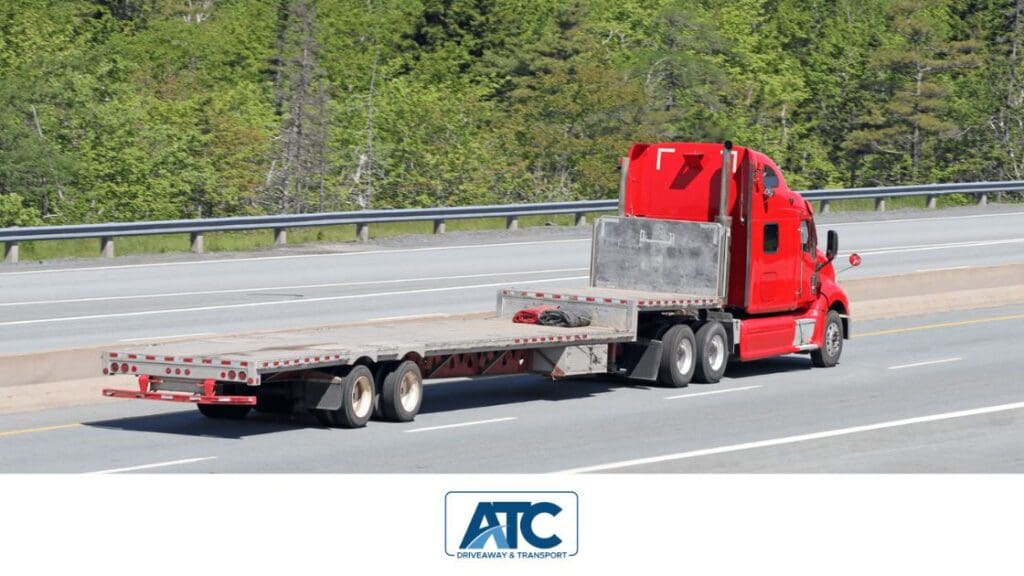
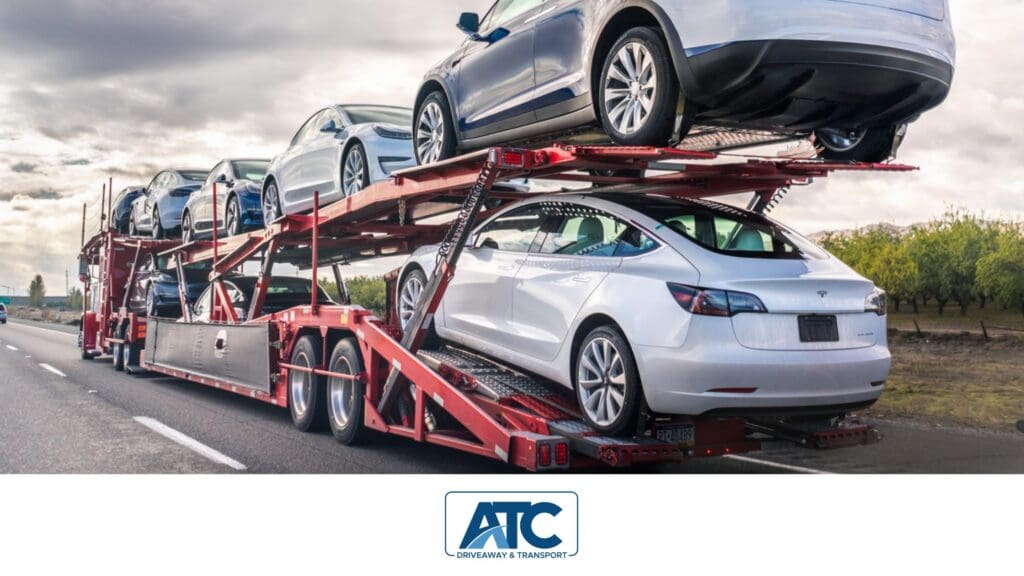
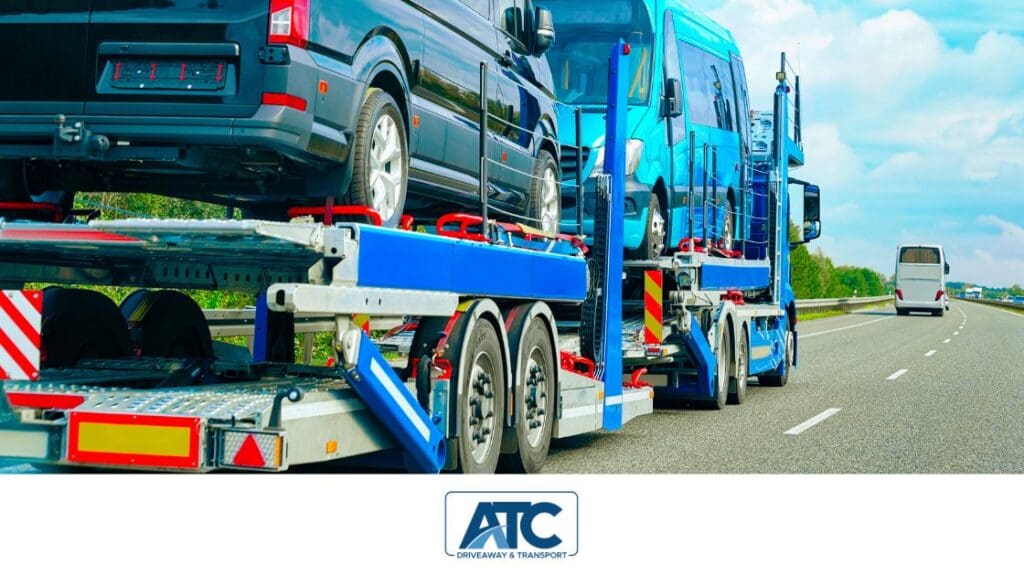
Lowboy and specialized trailers are commonly used when equipment dimensions exceed legal road requirements.
Benefits include:
- Reduced vehicle mileage
- Specialized hauling capabilities
- Suitable for oversized equipment
Driveaway Services
When a boom truck is road-ready, driveaway services may offer a more efficient solution.
Advantages of driveaway transportation include:
- Direct delivery
- Reduced equipment handling
- Faster deployment
- Increased flexibility
- Potential cost savings
For many businesses, driveaway services provide an effective option for boom truck delivery while avoiding the scheduling challenges associated with specialized trailers.
What to Look for in a Boom Truck Delivery Provider
Not all transportation companies have experience handling specialized equipment.
When evaluating a boom truck delivery provider, look for:
Proven Experience
Choose a company with a demonstrated history of transporting:
- Boom trucks
- Construction equipment
- Utility vehicles
- Specialized commercial assets
Compliance Expertise
Your transportation partner should understand:
- State permitting requirements
- Route restrictions
- DOT regulations
- Insurance requirements
Real-Time Communication
Visibility throughout the transportation process is essential.
Look for providers that offer:
- Shipment tracking
- Status updates
- Dedicated account support
- Transparent communication
Benefits of Professional Boom Truck Delivery Services
Professional boom truck delivery services simplify equipment transportation and help businesses avoid costly mistakes.
Key benefits include:
- Regulatory compliance
- Reduced administrative workload
- Safe equipment handling
- Faster deployment
- Nationwide transportation support
- Improved operational efficiency
Working with experienced transportation professionals helps ensure your equipment arrives safely and on schedule.
Frequently Asked Questions
What is boom truck delivery?
Boom truck delivery is the process of transporting a boom truck from one location to another using either driveaway services or specialized transportation equipment.
Do all boom trucks require oversized load permits?
No. Permit requirements depend on the truck’s dimensions, weight, and the states involved in the transportation route.
Is driveaway service a good option for boom truck delivery?
Yes. If the boom truck is road-ready, driveaway services can provide a cost-effective and efficient transportation solution.
How long does boom truck delivery take?
Transit times vary based on distance, route restrictions, permitting requirements, weather conditions, and scheduling availability.
What should I do before scheduling a boom truck delivery?
Conduct a vehicle inspection, verify insurance coverage, prepare the delivery site, and work with an experienced transportation provider.
Why is route planning important for boom truck delivery?
Route planning helps avoid low-clearance bridges, restricted roadways, traffic delays, and regulatory issues that could disrupt transportation.
Nationwide Boom Truck Delivery With ATC Driveaway
At ATC Driveaway, we understand the unique challenges involved in boom truck delivery. From route planning and compliance management to professional transportation services, our team helps businesses move specialized equipment safely and efficiently nationwide.
Whether you’re relocating a single boom truck or coordinating a large fleet deployment, we have the experience and transportation network to get the job done.
Contact ATC Driveaway today for a customized boom truck delivery solution and discover how our nationwide driveaway services can simplify your equipment transportation needs.