With hundreds of moving parts, from complex dispatch and regulatory compliance to managing fuel costs and avoiding unexpected maintenance, it can be tricky to manage a commercial truck fleet.
Better fleet logistics offers a competitive advantage, better cost per mile metrics and improves overall reliability. By adopting these 5 best-practice strategies, you can better integrate your haulage and productivity.

1. Establish a Proactive Preventive Maintenance Regimen
Unplanned downtime can be the single largest cost of operating a fleet of vehicles. Consistent, scheduled preventative maintenance ensures roadside reliability, safety, longevity of assets, and avoids emergency repair costs.
Key Maintenance Practices:
- Usage Based Schedules: Schedule services according to your mileage, engine hours and typical usage pattern, making sure to include common checks such as oil changes, tire rotations, brake service and battery health checkups.
- Standardized Pre- and Post-Trip Checklists: Ensure drivers are given a clear set of inspection procedures, which address fluid levels, tire inflation pressures, air brake effectiveness, belts and hoses, and lighting equipment.
- Component Replacement Protocols: Replace high-wear components, such as belts, filters, and hoses, before they fail on the road, turning potential breakdowns into quick, controlled shop visits.
2. Deploy Telematics and Real-Time GPS Tracking
Real time data is key for any modern fleet management system. By using combined telematics and GPS tracking, you enable dispatchers and the operations team to have eyes on their fleet assets at all times.
- Exact ETAs for the customer: Offer exact arrival windows to clients to ensure that they trust you and that they are satisfied with the service.
- Dynamic Rerouting: Enables dispatch teams to make instantaneous adjustments to routes as situations change, such as due to traffic congestion, rapidly approaching weather fronts, or road closures.
- Monitor driver behavior: Log your driving time, such as the amount of time your vehicle spends idling. It also records when you slam on the brakes, when you are speeding, and when your vehicle accelerates sharply. These metrics help you develop more fuel-efficient habits, reduce wear and tear on your tires, and extend brake life.
3. Leverage Dynamic Route Optimization Software
Driver miles driven & time consume the vast majority of vehicle fleet operational cost & fuel cost. Static Routing tends to waste mileages and affect late delivery times.
- Efficient Corridor Planning: Employ optimized routing software to generate the most fuel-efficient routes, accounting for vehicle size, weight limits, and toll corridors.
- Stop Clustering Consolidated Stop Logistics: Build your deliveries, your vehicle moves with similar stops to reduce empty deadhead mileage and extend drivers’ Hours of Service (HOS).
4. Maintain Strict Federal and State Regulatory Compliance
Failure to abide by Transportation laws results in hefty fines, higher insurance rates, or Out-Of-Service orders that halt all fleet activity. Ensure your fleet operates within compliance to maintain an adequate reputation, and license to operate.
|
Regulatory Body / Standard |
Primary Compliance Focus Areas |
|
FMCSA & FMCSRs |
Driver qualification files, Hours of Service (HOS) tracking via ELDs, and required vehicle maintenance records. |
|
U.S. DOT Regulations |
Commercial vehicle safety inspections, hazmat transit permits, and proper weight display compliance. |
|
EPA Emission Standards |
Vehicle emissions compliance, anti-idling policies, and environmental fleet standards. |
|
ADA Requirements |
Accessibility compliance for passenger transport assets and specialized commercial vehicles. |
Working with a seasoned transport partner guarantees that all asset moves adhere to all federal and state compliance rules, without imposing administrative work on your in house staff.
5. Partner with a Specialized Vehicle Relocation & Transport Service
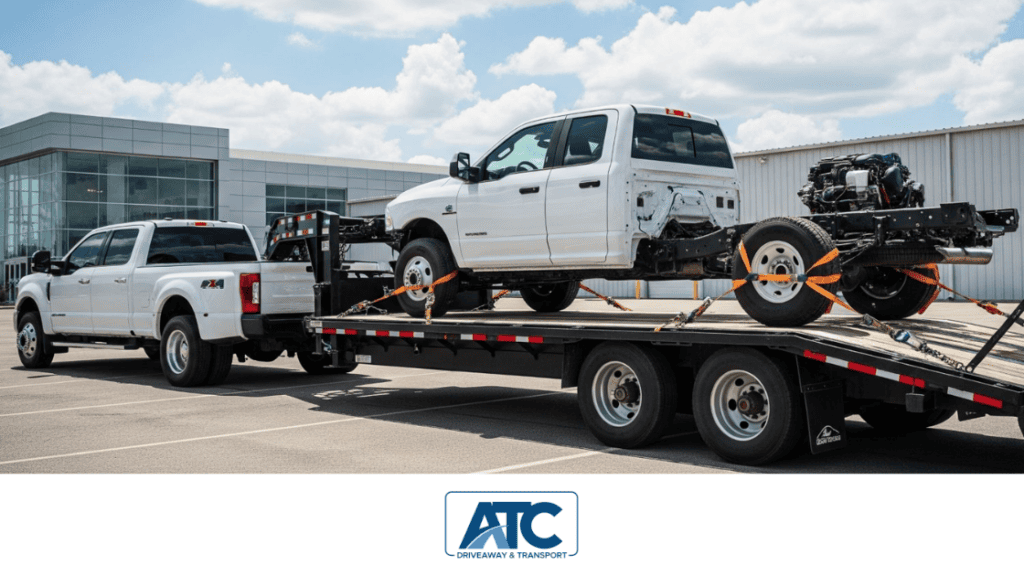
Retaining the services of experienced, professionally licensed drivers as well as the logistical management of moving trucks around the country – whether delivering or collecting them from specific points – can really begin to stretch your firm’s in-house staff, most particularly during your busiest months, or when it comes to hauling heavier-weight goods or individual chassis over vast stretches of highway miles.
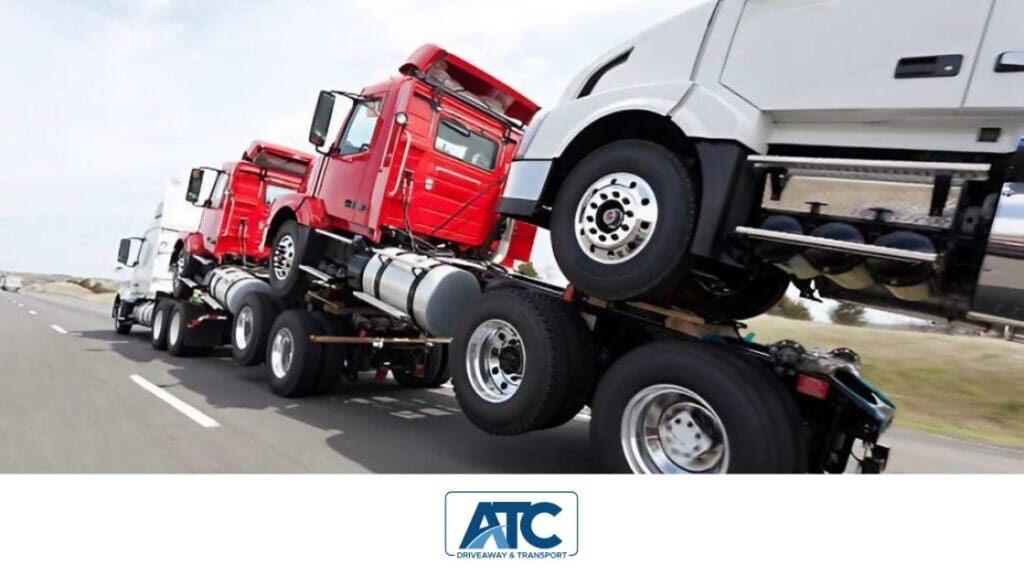
With a specific drive away service or commercial fleet relocation service, you can dispatch one commercial vehicle, in its own power, using none of the cumbersome car-hauling trailers; offering last mile accuracy right at your service at job site or in your office car lot.
Frequently Asked Questions
What is the most effective way to lower commercial fleet fuel costs?
A blend of route optimisation software, telematics that cut out unnecessary idle time, and an established tire management program is what produces the quickest significant drop in fleet fuel use.
How does driveaway transport improve fleet logistics efficiency?
Driveaway removes the hassle and cost associated with arranging special haulers like lowboys or flatbeds. Instead, a trained driver will get your commercial rig or other vehicle from point A to point B, allowing your staff to concentrate on the job they should be doing.
Elevate Your Fleet Logistics with ATC Driveaway
Striking the perfect balance between planning, compliance, and the right transport partners is key to optimizing fleet performance. ATC Driveaway is equipped to offer the service your commercial assets demand with a commitment to nationwide coverage and full coverage for your driveaway fleet transport.
Call ATC Driveaway now at (865) 251-0828 or submit our online form for a quote to find out how we can adapt our fleet transport services to fit your needs.