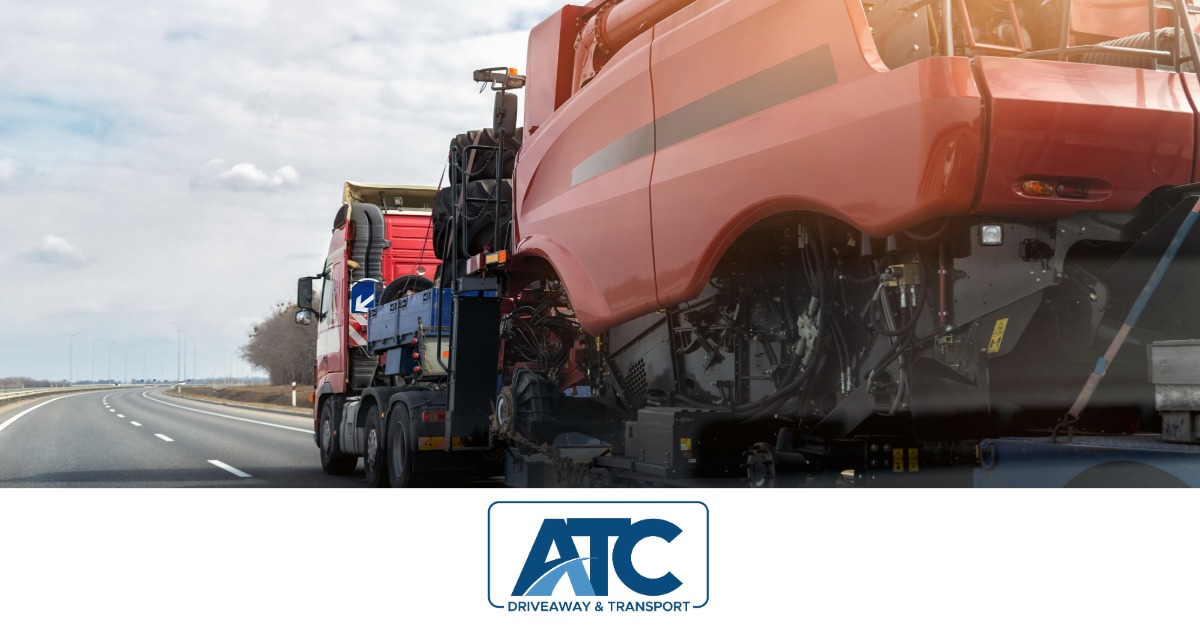
Moving industrial equipment is never as simple as getting a machine from Point A to Point B. These are high-value assets that often require specialized transportation, careful planning, and experienced logistics professionals. Whether you’re relocating construction equipment, manufacturing machinery, or oversized industrial components, a successful move depends on protecting your equipment, your employees, and your timeline.
At ATC, we’ve helped businesses coordinate transportation for heavy equipment, industrial machinery, and specialized assets nationwide. Through years of experience in transportation and heavy equipment hauling, we’ve learned that the safest and most efficient moves always begin with proper preparation.
What Is Industrial Equipment Moving?
Industrial equipment moving is the process of safely relocating heavy machinery, manufacturing equipment, construction equipment, or other oversized assets from one location to another.
The process typically involves:
- Equipment evaluation
- Route planning
- Permit coordination
- Specialized loading procedures
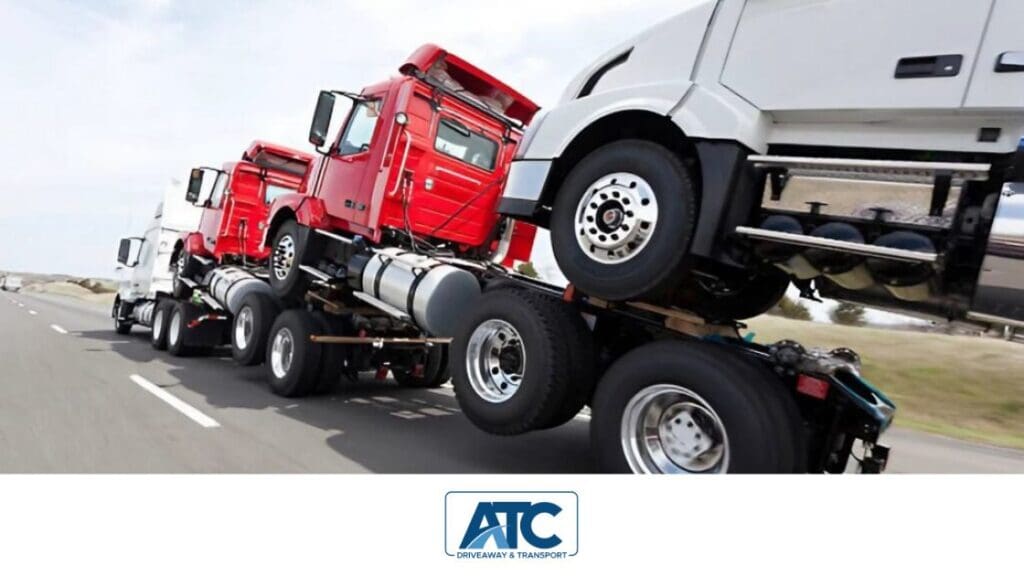
- Heavy equipment hauling
- Delivery and reinstallation
Because industrial equipment is often oversized, overweight, or highly sensitive, proper planning is critical to avoid damage, delays, and safety issues.
Why Proper Planning Matters
Industrial equipment moves involve significant investments. A single mistake can result in:
- Equipment damage
- Project delays
- Increased costs
- Safety incidents
- Regulatory violations
By following proven best practices, businesses can reduce risk and ensure equipment arrives safely and ready for operation.
1. Plan and Assess Before the Move
Every successful heavy equipment move starts with a comprehensive assessment.
Before transportation begins, document:
- Equipment dimensions
- Total weight
- Fragile components
- Loading requirements
- Delivery site conditions
- Potential transportation obstacles
It’s also important to evaluate:
- Bridge restrictions
- Road limitations
- Permit requirements
- Loading and unloading access
A detailed transportation plan helps identify potential challenges before they become costly delays.
Pro Tip
Create a project checklist that includes transportation timelines, personnel responsibilities, permit deadlines, and site inspections before moving day arrives.
2. Use the Right Equipment and Transportation Method
Not all industrial machinery can be transported using standard trailers.
The safest transportation method depends on several factors:
| Equipment Type | Common Transportation Method |
|---|---|
| Excavators | Lowboy trailer |
| Bulldozers | Lowboy trailer |
| Cranes | Multi-axle heavy haul trailer |
| Manufacturing Equipment | Specialized transport trailer |
| Agricultural Equipment | Step deck or lowboy trailer |
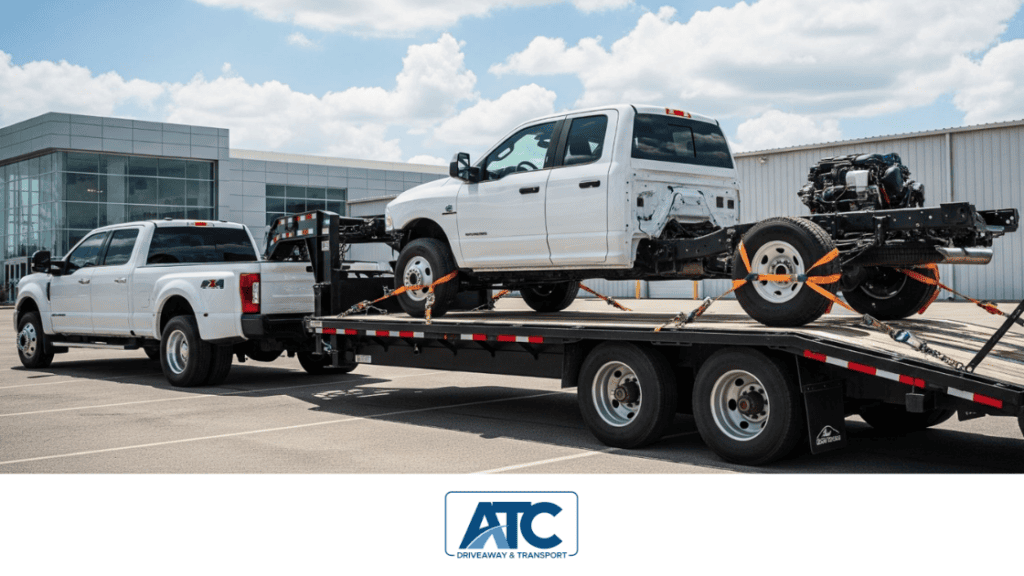
Selecting the correct trailer and securement equipment is a critical part of successful heavy equipment hauling.
Additional tools may include:
- Cranes
- Forklifts
- Rigging systems
- Air skates
- Chains and binders
- Heavy-duty straps
Using the proper equipment helps protect both the cargo and transportation crews throughout the move.
3. Prioritize Safety and Regulatory Compliance
Safety should be a priority during every stage of equipment transportation.
Before moving industrial equipment, ensure:
- Required permits have been secured
- Equipment operators are properly trained
- Safety inspections have been completed
- Machinery has been properly prepared for transport
- Lockout/tagout procedures have been followed when applicable
Oversized and overweight loads often have unique transportation requirements. Failure to comply with regulations can lead to delays, fines, and increased risk on the road.
Working with an experienced transportation partner helps ensure compliance requirements are addressed before the move begins.
4. Rely on Experienced Personnel
Industrial equipment transportation isn’t a job for inexperienced crews.
Properly trained personnel should oversee:
- Equipment loading
- Securement procedures
- Route coordination
- Transportation monitoring
- Delivery and unloading
A skilled transportation team understands how different types of equipment behave during loading and transport and can identify potential issues before they become problems.
ATC Insight
One of the most common causes of equipment damage isn’t transportation itself. It’s improper loading and securement before the shipment ever leaves the site.
Experience matters when moving valuable industrial assets.
5. Transport and Reinstall Equipment with Care
The transportation process doesn’t end once equipment is loaded.
During transit, it’s important to monitor:
- Load stability
- Route conditions
- Weather impacts
- Delivery timelines
For oversized shipments, escort vehicles and specialized routing may be required.
Upon arrival, equipment should be:
- Carefully unloaded
- Reassembled according to manufacturer specifications
- Inspected for damage
- Tested before returning to operation
Taking the time to verify equipment functionality helps prevent unexpected downtime and ensures a smoother restart.
Common Mistakes to Avoid When Moving Industrial Equipment
Many businesses encounter avoidable issues during equipment relocations.
Some of the most common mistakes include:
❌ Underestimating equipment weight
❌ Failing to secure required permits
❌ Choosing the wrong trailer type
❌ Inadequate route planning
❌ Improper load securement
❌ Using inexperienced transportation providers
Avoiding these mistakes can save time, reduce costs, and protect valuable equipment.
Why Heavy Equipment Hauling Requires Specialized Expertise
Heavy equipment hauling involves far more than simply loading machinery onto a trailer.
Successful projects require:
- Transportation planning
- Regulatory compliance knowledge
- Specialized equipment
- Experienced drivers
- Route analysis
- Risk management
Whether you’re moving a single piece of construction equipment or multiple industrial assets, working with experts can help streamline the process and minimize disruptions to your operation.
Frequently Asked Questions
What is considered heavy equipment hauling?
Heavy equipment hauling involves transporting oversized, overweight, or specialized machinery that exceeds standard vehicle transportation requirements. Common examples include excavators, bulldozers, cranes, agricultural equipment, and industrial machinery.
How do you transport industrial equipment safely?
Industrial equipment is transported safely through proper planning, specialized trailers, secure loading procedures, regulatory compliance, and experienced transportation professionals.
What permits are needed for oversized equipment transport?
Permit requirements vary based on the size, weight, and route of the shipment. Oversized and overweight loads typically require state-issued permits and may require escort vehicles depending on local regulations.
How long does it take to move industrial equipment?
Transportation timelines depend on the size of the equipment, distance traveled, permit requirements, route complexity, and delivery location.
Why is route planning important for heavy equipment hauling?
Route planning helps identify road restrictions, bridge clearances, permit requirements, and potential obstacles before transportation begins. Proper planning reduces delays and improves safety.
Move Industrial Equipment with Confidence
Moving industrial equipment is about more than transportation. It’s about protecting your investment, minimizing downtime, and ensuring every project stays on schedule.
At ATC, we provide transportation solutions for businesses moving heavy machinery, oversized freight, and industrial equipment nationwide. Our experienced team understands the planning, communication, and attention to detail required for successful heavy equipment hauling projects.
Whether you’re relocating construction equipment, manufacturing machinery, or specialized industrial assets, ATC is ready to help you move with confidence.
Contact ATC today to learn more about our nationwide transportation and heavy equipment hauling services.