Thousands of vehicles make the trip from Florida to New York every year. Snowbirds heading back up North in the summer, fleet managers bringing their commercial vehicles north for their rotation, companies growing their market share-this lane is constantly in demand. Still, the auto transport business is full of gray area pricing, late ETAs, and an overall lack of information and customer satisfaction. This guide paints the whole picture: cost ranges, realistic delivery windows, how transport versus driveaway differs, and what to look for in an auto transport company you can actually trust.
The Florida–New York Route: What You’re Working With
Believe it or not, the road from Florida to New York is one of the busiest transport roads in the USA, which is actually a good thing. Because the lane is high capacity, there are often more drivers, carriers, and competition, resulting in somewhat predictable rates. This commonly uses I-95 going up the coast, but alternatively, carriers will use I-81 or I-77 depending on the vehicles current position in Florida before heading north towards New York.
Some of the top pickup locations in Florida are Miami, Orlando, Tampa, Jacksonville and Fort Lauderdale. Top drop-off locations in New York City include the NYC metro area, Long Island, Albany and Buffalo-though you can ship a vehicle to anywhere in the state if you have enough drivers.
What Affects Your Auto Transport Price?
Auto transport costs don’t appear out of nowhere; yet, they are multivariate. Knowing what factors influence your price allows you to make an informed decision and avoid receiving an overly low quote for the job you need.
Vehicle Size and Weight
The larger and heavier your vehicle is, the more room it takes up on the carrier and the more wear and tear it causes. Transporting a dually pickup, bucket truck, or RV always costs more than a sedan. Commercial and specialist vehicles frequently require their own transportation.
Open vs. Enclosed Transport
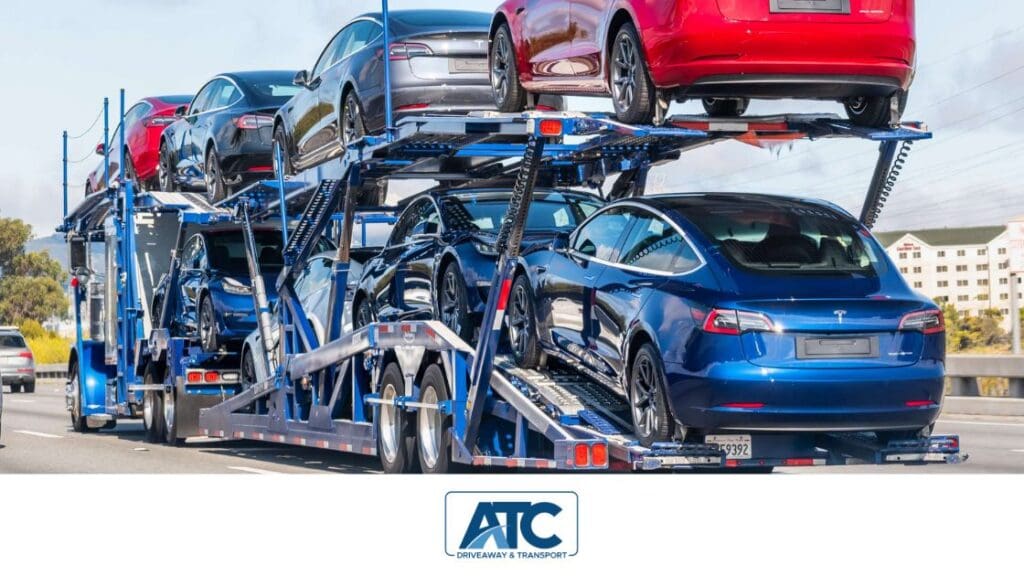
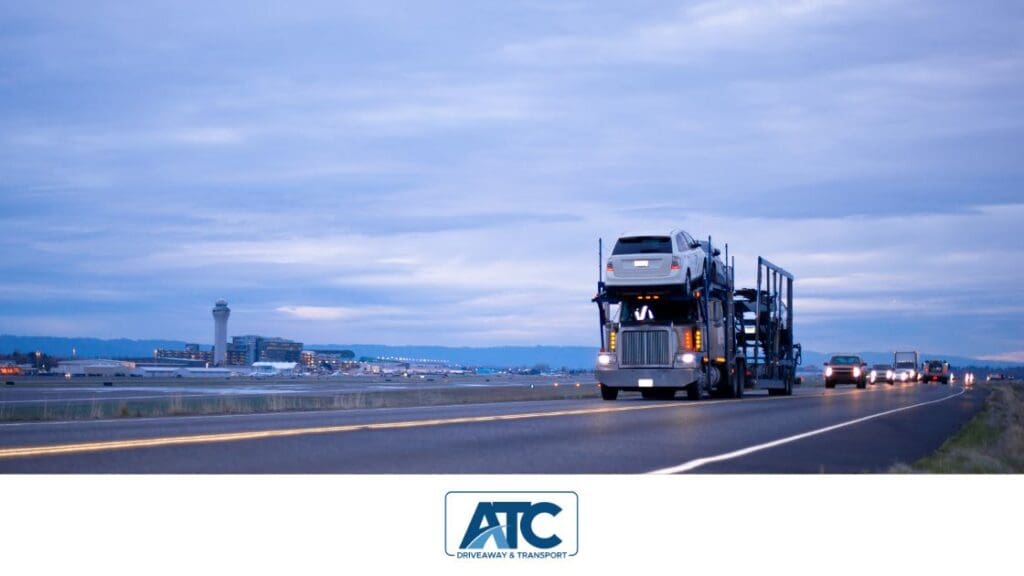
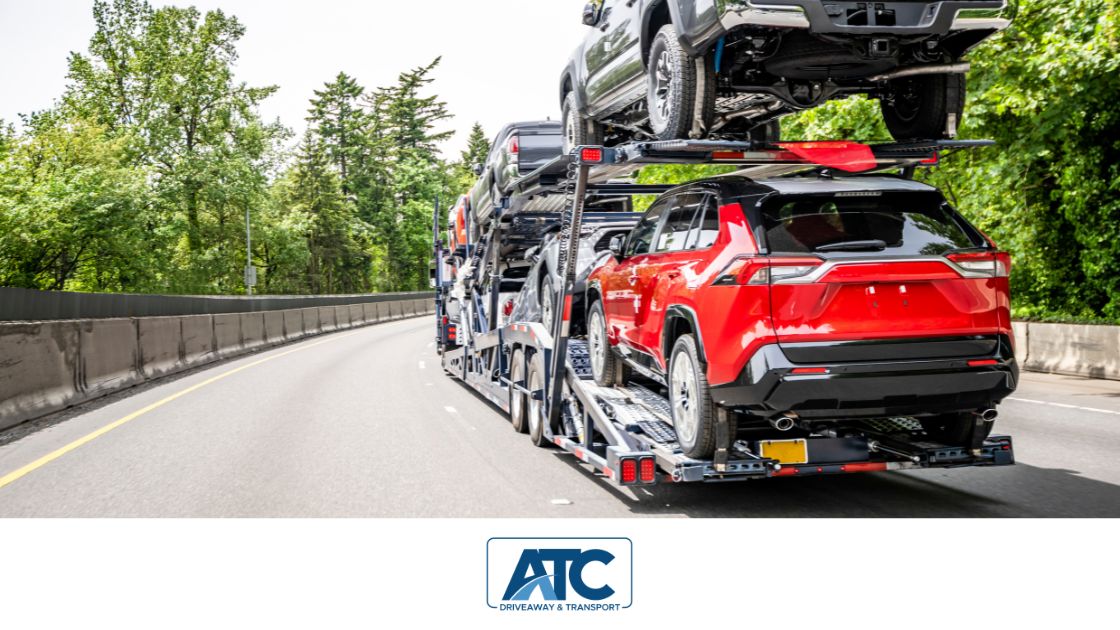
Open is the industry standard, and is much cheaper. The vehicle is loaded onto an open multi-car carrier, just like those you see on the highway carrying new cars from the factories. Enclosed shipping means the vehicle will be fully inside a covered trailer, protected from the elements and debris. This is recommended for antique vehicles, luxury cars, and any vehicle where damage from travel would have a significant financial impact.
Door-to-Door vs. Terminal-to-Terminal
Door-to-door delivery is significantly more convenient and what the majority of customers choose. A driver will pick up the vehicle at your door and bring it to its destination. Terminal-to-terminal means the user is responsible for delivering the car to a facility and picking it up from a different one. Although it can be a little cheaper, it is a lot more inconvenient and when in New York City with all of its frenzy, it may not even save that much money.
Time and Season
Seasonality comes into play in this corridor because of all of the snowbird traffic coming and going. The need for northbound transport may spike in the spring (March-May), resulting in a 10-20% increase in rates. By utilizing off-season time (late summer-early fall northbound) if your schedule permits, you can obtain a significant savings. Expedited or guaranteed delivery comes with additional fees.
Fuel Costs and Market Conditions
Fuel costs influence car transport charges, as they do for practically other logistical services. When diesel costs rise, so do carrier rates. Booking an estimate fast today may allow you to lock in a favorable pricing before the market fluctuates.
Delivery Timespan: How Long Will It Take?
Honestly, every car shipping business provides you a timeframe rather than a specific date, and for good reason. Weather, traffic circumstances, driver hours of duty, and load requests will all have an impact on the arrival schedule. That said, the Florida–New York route is predictable enough to give you a solid framework.
Total door-to-door time from booking to delivery is typically 5–10 business days for standard transport on this route. Driveaway services (where a professional driver operates your vehicle to its destination) can often execute more quickly on a fixed schedule, making them ideal for time-sensitive commercial moves.
Transport vs. Driveaway: Which Is Right for Your Vehicle?
This is the question most guides skip entirely, and it’s one of the most important decisions you’ll make for a Florida-to-New York move, especially if you’re moving a commercial, specialty, or fleet vehicle.
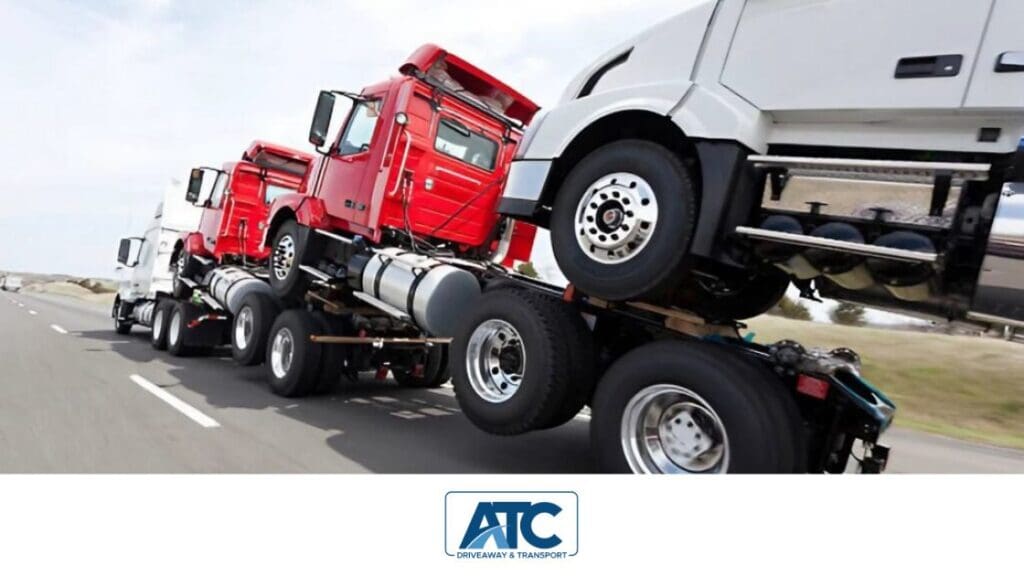
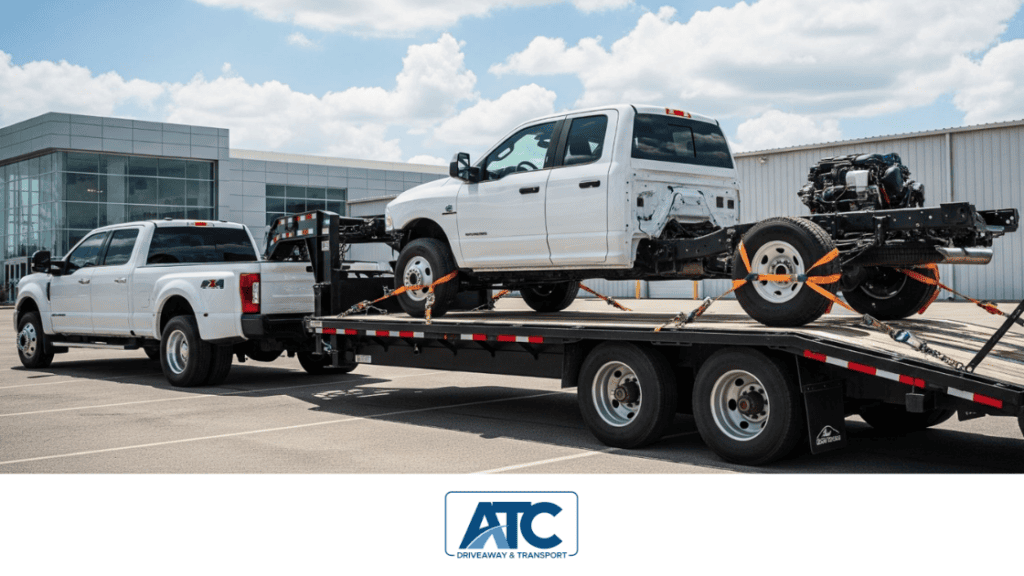
Vehicle is placed on a carrier and transported by a professional hauler. The service is great for dead vehicles, heavy machinery and goods for long distance transportation.
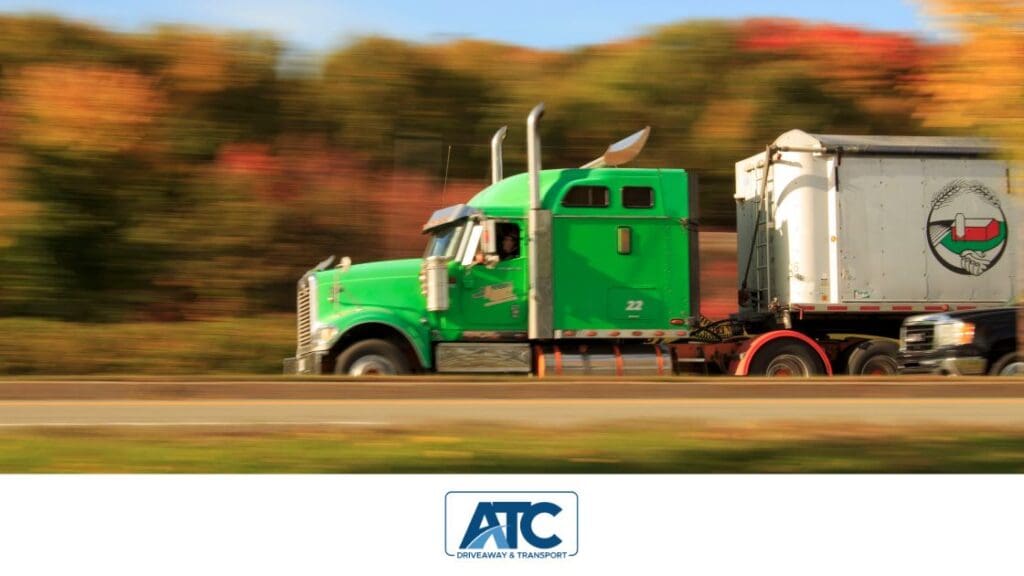
A professional, vetted driver operates your vehicle from origin to destination. Preferred for operational commercial vehicles, buses, RVs, construction trucks, and fleet units that drive well and need no trailer.
Specialized service for school buses, transit buses, and passenger coaches. ATC Driveaway handles all logistics and permitting for bus relocations across the full 50-state network.
Oversize or overweight vehicles require permits that vary by state. ATC handles trip permits, fuel permits, and oversize/overweight authorizations, so you don’t have to navigate the red tape alone.
For most personal vehicles, standard open transport is the most practical and cost-effective choice. But if you’re a fleet manager, a construction company, a dealership, or any business moving commercial vehicles, driveaway services offer flexibility and speed that carriers simply can’t match. ATC Driveaway covers all 50 states and Canada with professional drivers trained to handle commercial and specialty vehicle types.
5 Tips to Save Money on Your Florida–New York Transport
1. Book Early
Last-minute bookings during peak season can push you to the back of the dispatch queue or force you into a higher rate. Booking 2–3 weeks out gives you more carrier options and often better pricing.
2. Be Flexible with Pickup Dates
If your pickup date has a 3–5 day window rather than a fixed date, carriers can slot you more efficiently, and may offer a better rate in exchange for that flexibility.
3. Choose the Right Service Type
Don’t pay for enclosed transportation for a vehicle that doesn’t need it, and do not use a conventional carrier for a commercial truck with a driveaway driver. Choosing the proper provider for the vehicle will save you money and shipping issues.
4. Ask About Fleet or Volume Pricing
If you’re moving more than one vehicle, always ask about volume pricing. Fleet moves can dramatically reduce per-unit costs, and companies like ATC Driveaway specialize in exactly this scenario.
5. Review the Insurance Coverage
Make sure that your carrier’s cargo insurance is up to date before confirming any booking. Knowing the extent of your liability and any areas not covered by your individual insurance plan will allow you to avoid potential unpleasant consequences.
Why Businesses Choose ATC Driveaway for the Florida–New York Route
There’s no shortage of auto transport brokers willing to take your call. What separates ATC Driveaway is over 20 years of operational experience, a direct driver network covering all 50 states, and a track record with commercial and fleet clients who need reliability, not excuses.
When customers say things like “ATC is the BEST Driveaway service I’ve worked with by FAR” and “great professional, dependable group — very communicative throughout the process,” it reflects a company that takes the handshake seriously. On a high-stakes route like Florida to New York, that reliability is worth more than saving $50 on a broker quote. Contact ATC Driveaway today and get your transport quote fast.