To a business needing to ship their commercial vehicles, turn over their fleet or carry stock, the cost of shipping may appear at first to be fairly self-explanatory. With vehicle logistics however, what looks like being the cheapest method upfront can become more expensive operationally.
At the end of the day, controlling transportation spending is about identifying what drives down costs (and what raises sneaky costs), whether it’s moving specialty equipment between areas, relocating a portion of the fleet, or getting a car to the dealership.
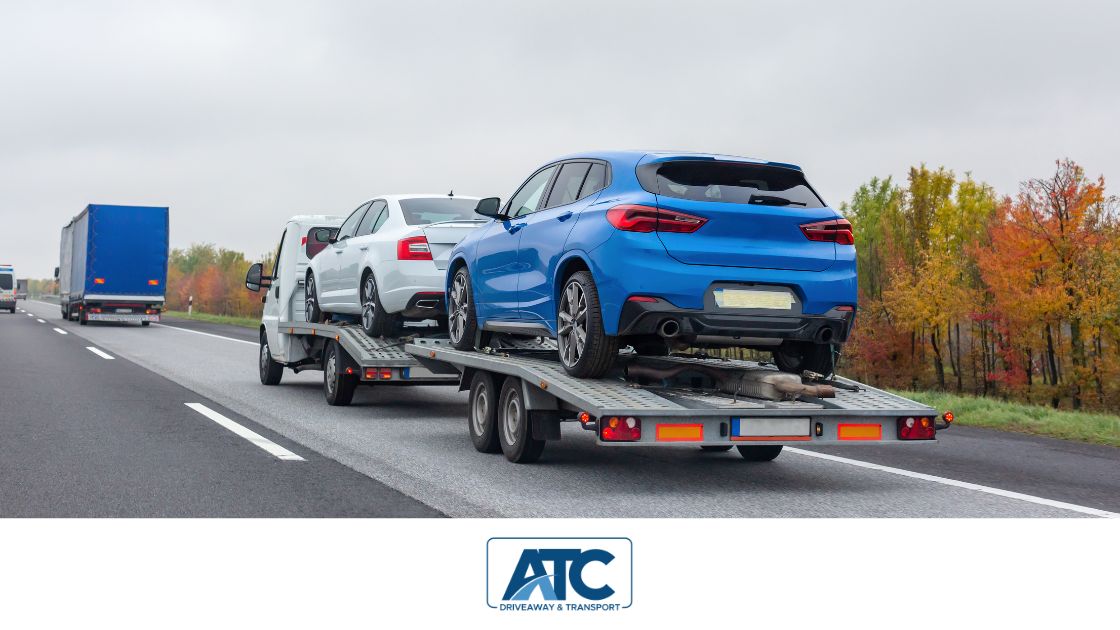
Here’s a practical guide to what really saves you money when transporting commercial vehicles, and what may cost more in the long run.
1. Highest Bid Doesn’t Always equal Cheapest
A common mistake made by logistics planners for a fleet is accepting the cheapest transport quote, regardless of service quality or reliability.
Cheaper pricing often comes from:
- Unverified or inconsistent driver networks
- Limited insurance coverage clarity
- Unpredictable scheduling
What it costs later:
Delays in delivery, broken units, missed dealer appointments, and additional re-dispatch fees can quickly offset any initial savings.
For commercial operations, downtime is frequently more expensive than transportation itself.
2. Driveaway Services vs. Hauling: Where the Real Savings Come From
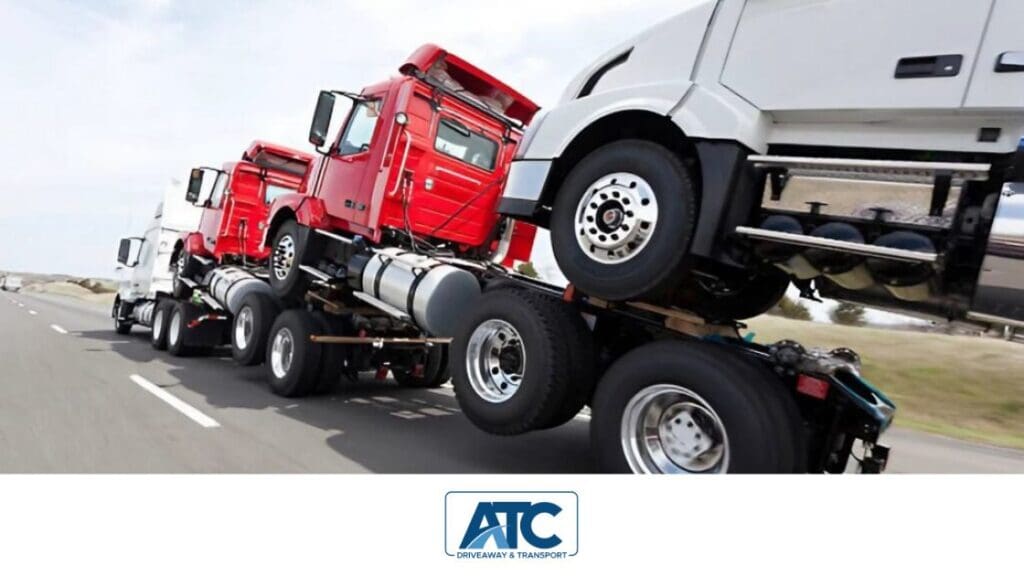
Driveaway services can save many corporate fleets money when compared to typical trailer-based hauling, particularly for operable units.
Driveaway transport is when a licensed driver moves the vehicle directly rather than loading it onto a carrier.
When it saves money:
- Substantial fleet relocations
- Service vehicles and light-duty trucks
- Time-sensitive inventory flow
- Transfers between multiple locations
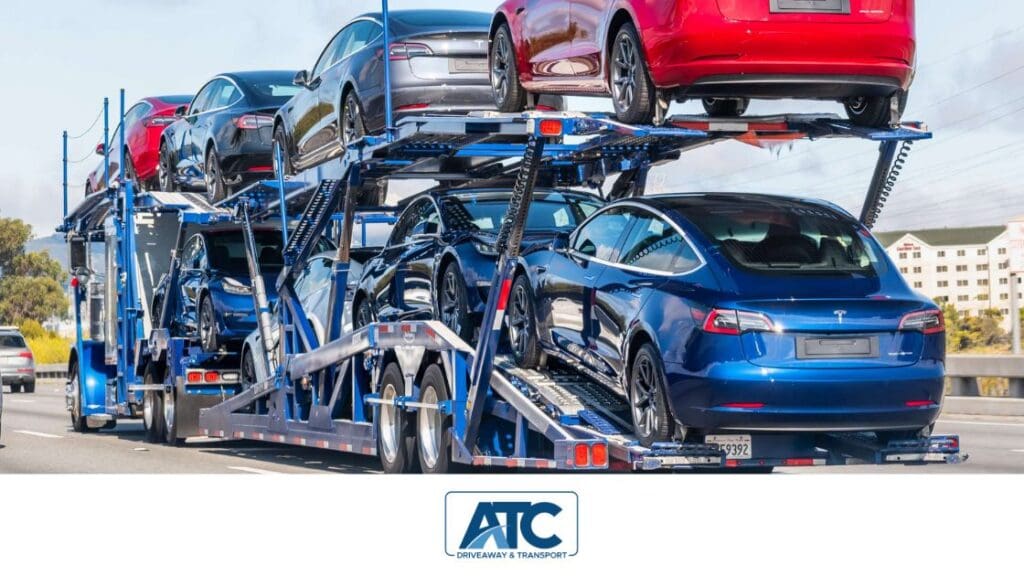
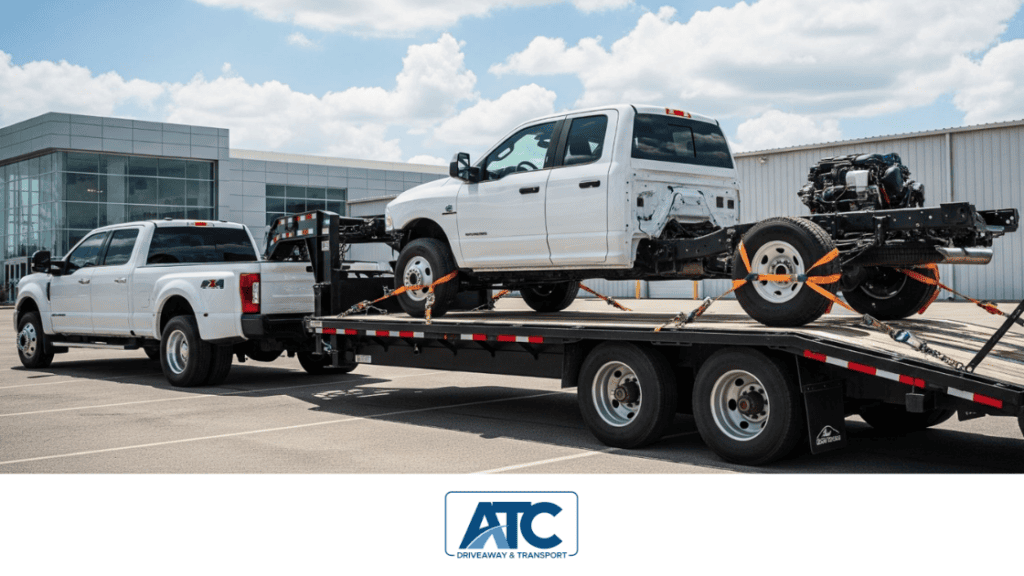
Where hauling may still be needed:
- Non-operable vehicles
- Requirements for high-value enclosed transport
- Weather-sensitive shipments
The key for organizations is to match the proper strategy to the right vehicle type rather than assume one solution works for all.
3. Consolidation Strategy: One Shipment or Multiple Partial Moves
Splitting vehicle transports among different providers or timelines frequently raises overall cost.
Cost-saving approach:
- Organize fleet movements by region
- Plan transfers based on operational cycles
- Coordinate outbound and inbound routing together
What drives up cost:
- Repeated dispatch fees
- Inefficient routing
- Underutilized transportation capacity
- Administrative costs from several vendors
A coordinated transportation plan often lowers both direct shipment costs and internal management workload.
4. Scheduling Flexibility vs. Rush Transport Fees
Rush shipments are one of the most common hidden cost drivers in commercial vehicle logistics.
Lower-cost approach:
- Build transport schedules into fleet rotation planning
- Allow flexible pickup windows
- When possible, avoid any last-minute reassignments
Higher-cost triggers:
- Expedited pickup requests
- Short-notice dealer swaps
- Emergency fleet redeployment
Small schedule adjustments can have a substantial impact on pricing when carriers need to reroute or prioritize goods.
5. Insurance and Risk Coverage: Don’t Underestimate This Line Item
Cutting costs by reducing coverage or skipping verification can create significant downstream exposure.
For business fleets, key risks include:
- Transit damage claims delays
- Disputes over responsibility during handoffs
- Underinsured specialty vehicles (service trucks, bucket trucks, buses)
A properly structured transport partner helps ensure coverage aligns with vehicle type and use case, reducing administrative friction if issues arise.
6. Working With a Single Commercial Transport Partner
Having too many providers sounds like having more choices, but it generally leads to more pain points than choices. With many different parties, communication can be unreliable, paper work can differ from partner to partner, and driver certifications may not sync up. It can also lead to shared responsibility where it is difficult to know when the trouble actually started.
By consolidating everything into one single, coordinated system, a central transport partner takes away that problem. Instead of managing different contacts and processes, organizations benefit from uniform fleet movement plans, standardised driver assignments, unified route coordination, and clear delivery tracking with streamlined communication.
For organizations that move vehicles on a large scale, consistency is more important than it appears. Over time, it frequently results in reduced total operational costs and fewer disruptions, not only lower per-quote pricing.
What Actually Saves Businesses Money in Car Shipping
Across most commercial transport programs, real savings come from:
- Matching transport method to vehicle type
- Reducing the amount of downtime and idle time
- Consolidating shipments strategically
- Planning schedules in advance
- Working with a consistent transport partner
Taking delays, inefficiencies and disturbances into account, the lowest invoice is not necessarily equal to the lowest cost.
Commercial Vehicle Transport To Keep Your Business Running
For any business that is involved in fleet transfer, dealer logistics or relocating specialty vehicles, ATC Driveaway has integrated commercial transportation and driveaway solutions designed to operate around your work schedule and alleviate as much of the logistical burden as possible.
Fleet units, service vehicles, bus lines, specialty commercial equipment; no matter what type of asset you’re moving, having a strategic transport plan will make sure that your operations remain reliable and organized.
Get Reliable Commercial Transport Support
If your company wants to move vehicles efficiently across regions or manage ongoing fleet logistics, ATC Driveaway can help coordinate transport based on your operating requirements.
Contact ATC Driveaway today to schedule commercial vehicle shipping or learn more about our driveaway and fleet movement services.