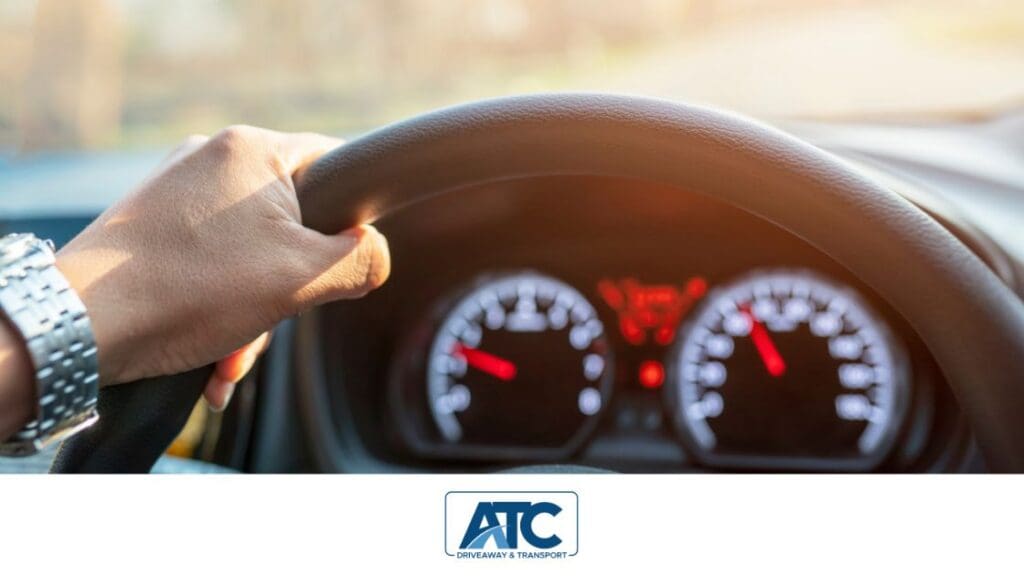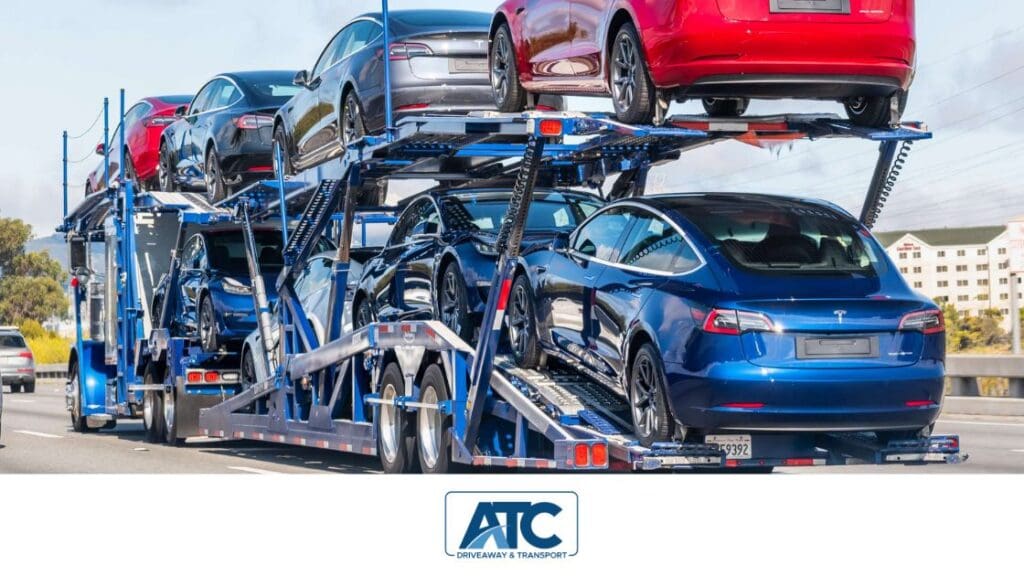
When it comes to fleet management and vehicle transportation, safety isn’t optional—it’s a priority. One of the most critical safety measures in commercial driving is the pre-trip inspection. This inspection ensures that vehicles are roadworthy, compliant with regulations, and safe for both drivers and the public. But a common question arises: who is actually responsible for conducting the pre-trip inspection? Understanding this responsibility is key to preventing accidents, avoiding fines, and maintaining a smooth transportation operation.

The Pre-Trip Inspection: What It Is and Why It Matters
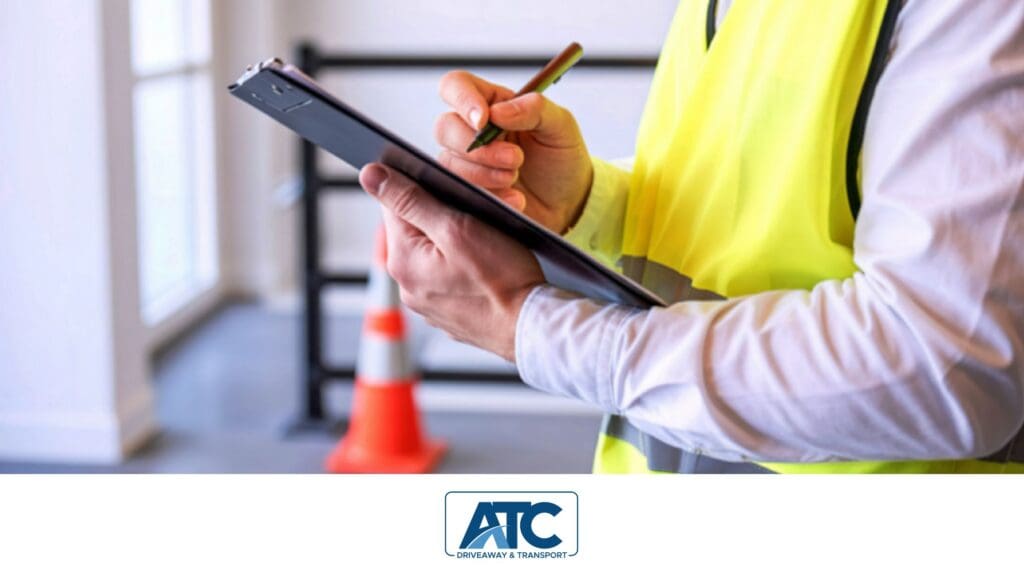
A pre-trip inspection is a thorough check of a commercial vehicle before it hits the road. It includes examining critical systems such as brakes, tires, lights, steering, fluid levels, and more. According to the Federal Motor Carrier Safety Administration (FMCSA), every commercial vehicle driver is required to perform a pre-trip inspection before operating a vehicle.
The purpose of this inspection is simple: catch problems before they become hazards. A tire on the verge of blowout, a faulty brake system, or a broken light could cause serious accidents or lead to costly citations. For fleet managers, ensuring that these inspections are performed correctly is crucial not only for safety but also for compliance and operational efficiency.
Who Is Responsible?
Legally and practically speaking, the responsibility for carrying out the pre-trip inspection lies with the driver. The FMCSA regulations clearly state that the driver has to carry out a thorough inspection of the vehicle and make sure that it is in safe operating condition before setting out. This includes reporting any defects to the fleet manager or maintenance department.
However, the responsibility does not rest solely on the driver. The role of fleet managers and transportation companies is also extremely important. While the driver is physically conducting the inspection, the fleet manager has the responsibility of implementing policies, training drivers on conducting inspections, and ensuring that the documentation is done properly. They also have to keep track of the maintenance schedules and work on the problems that have been identified during the course of the inspection. It is a sort of partnership where the driver conducts the inspection, and the fleet manager provides the structure that is required for ensuring safety.
Key Elements of a Driver’s Pre-Trip Inspection
A standard pre-trip inspection typically includes:
- Exterior Checks
- Tires and wheels
- Lights and reflectors
- Windshield wipers and mirrors
- Fuel caps and fluid leaks
- Under-the-Hood Checks
- Engine oil, coolant, and brake fluid levels
- Belts and hoses
- Battery and electrical connections
- Safety Systems
- Brakes and brake pads
- Steering components
- Horn, seat belts, and emergency equipment
- Documentation and Reporting
- Completing a DVIR (Driver Vehicle Inspection Report)
- Reporting any defects or maintenance needs
Drivers must not only perform these checks but also report any issues before the vehicle is allowed on the road. Failure to do so can lead to accidents, costly repairs, and even regulatory penalties.
Why Clear Responsibility Matters
When responsibility is unclear, fleet operations can suffer. Some common problems that arise include:
- Missed Inspections: Drivers might assume someone else checked the vehicle.
- Incomplete Reports: Defects go unreported, increasing the risk of breakdowns or accidents.
- Compliance Violations: Regulatory authorities can hold both the driver and the company accountable for safety failures.
By clearly defining who conducts inspections and who supports them, companies reduce risk, maintain compliance, and foster a culture of safety.
How Fleet Managers Can Support Drivers
While the driver performs the hands-on inspection, fleet managers can make the process more effective by:
- Providing Training: Ensure drivers know what to check and how to report issues.
- Maintaining Checklists: Standardized checklists help drivers perform thorough inspections consistently.
- Leveraging Technology: Fleet management software can track inspection completion, flag issues, and generate reports for compliance purposes.
- Regular Audits: Randomly checking inspections can reinforce the importance of thorough checks and help identify trends that need attention.
The combination of driver diligence and manager oversight creates a safer, more reliable fleet.
ATC Driveaway’s Role in Pre-Trip Safety
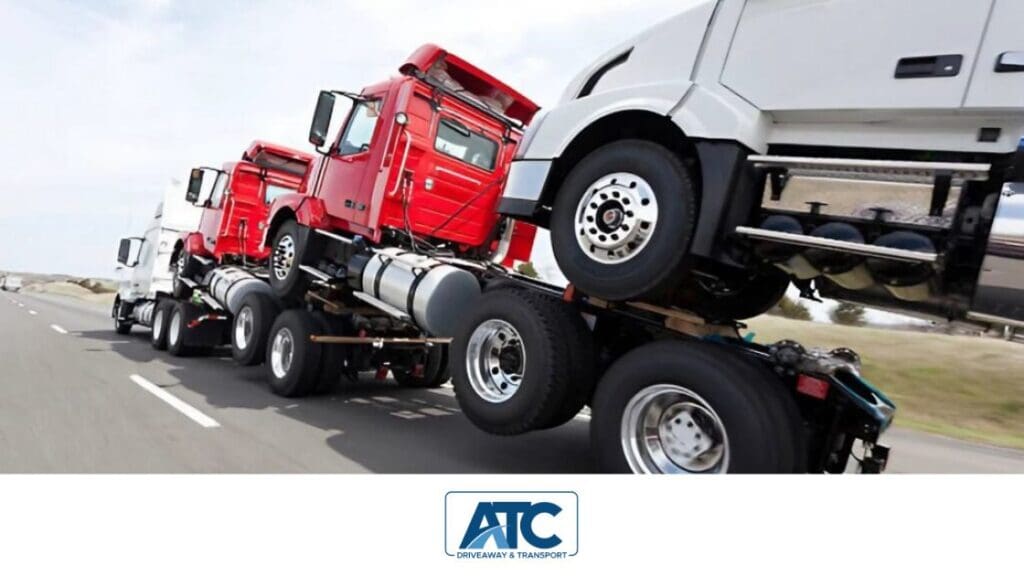
At ATC Driveaway, we understand that pre-trip inspections are essential not just for compliance but for delivering peace of mind to our clients. Our professional drivers are thoroughly trained in pre-trip inspection protocols, ensuring every vehicle we transport is road-ready and safe.
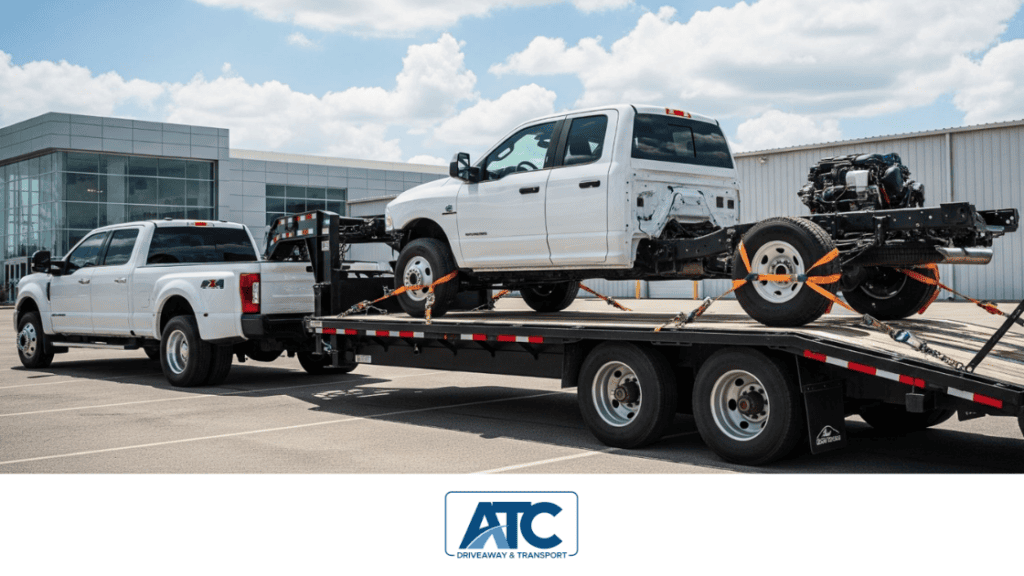
We also provide fleet support services that take the stress out of vehicle logistics. Whether you’re moving buses, utility trucks, construction vehicles, or specialized commercial equipment, ATC Driveaway ensures each transport begins with a proper inspection and ends with safe delivery. By partnering with us, you gain the confidence that your fleet is in expert hands, from the moment we pick up your vehicle to its final destination.
Why Partnering with ATC Driveaway Makes a Difference
- Expert Drivers: Our drivers are trained and experienced in handling a wide variety of vehicles, and they understand the critical importance of pre-trip inspections.
- Compliance First: We follow all federal and state regulations, reducing your risk of violations and fines.
- Nationwide Coverage: No matter where your vehicles need to go, ATC Driveaway has the logistical expertise to get them there safely.
- Peace of Mind: With our pre-trip inspection protocols, you can trust that your fleet will arrive safely, on time, and in excellent condition.
Conclusion
So, who is responsible for conducting the pre-trip inspection? The answer is both simple and layered: the driver performs the inspection, while the fleet manager ensures the process is supported, documented, and effective. This shared responsibility is key to maintaining compliance, protecting your fleet, and keeping roads safe.
When it comes to transporting vehicles safely, inspection is just the beginning. That’s why ATC Driveaway takes the extra step to ensure every vehicle we move is inspected, secure, and delivered on time. From buses to commercial trucks, our nationwide driveaway services give fleet managers confidence that their vehicles are handled with the utmost care.
If you’re looking for a partner who prioritizes safety, reliability, and compliance, contact ATC Driveaway today to learn how our professional transport services can support your fleet. Let us handle the logistics while you focus on running your operations smoothly and safely.