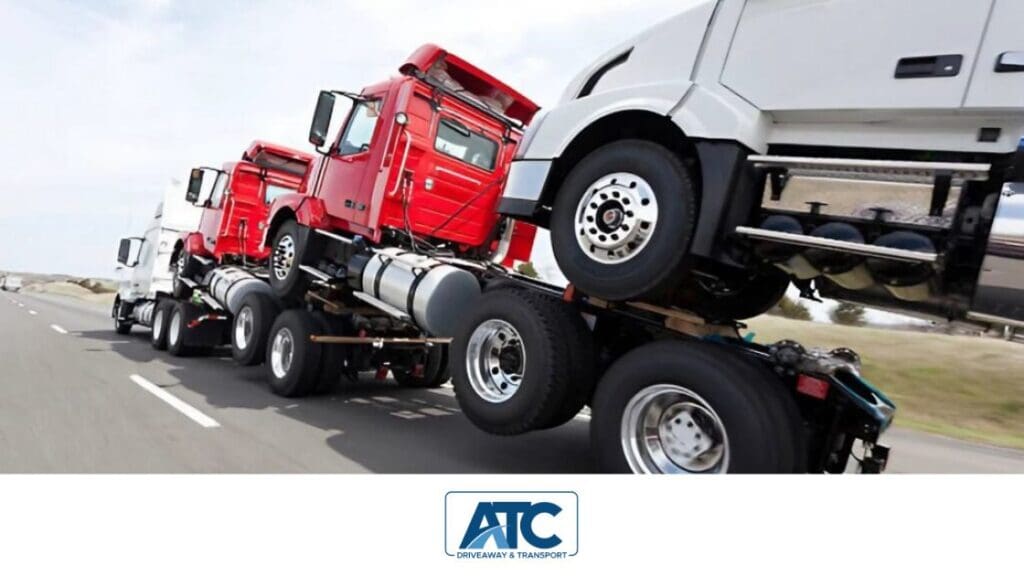
This guide will break down the essential legal and efficient interstate truck transport permits.

Why Permits Matter for Crossing State Lines
Each state has its own regulations, and federal guidelines add another layer of complexity. Without the correct permits, your trucks can be delayed, fined, or even removed from service. Whether expanding routes, relocating vehicles, or hauling freight across state borders, a truck permit to cross state lines isn’t optional; it’s a critical part of your logistics plan.
Key Permits You May Need
Here are the most common permits and registrations required to move trucks across state lines:
1. USDOT Number
A USDOT number, issued by theFederal Motor Carrier Safety Administration (FMCSA), is required for companies that operate commercial vehicles transporting passengers or hauling cargo in interstate commerce. It’s used to track safety records, inspections, and compliance reviews.
2. Operating Authority (MC Number)
You’ll also need an MC number if you’re involved in for-hire transport across states. This authorizes your company to operate as a carrier for-hire and is mandatory for many types of freight movement.
3. International Registration Plan (IRP)
The IRP is a cooperative agreement among U.S. states and Canadian provinces that distributes registration fees based on the total distance traveled in each jurisdiction. If your fleet regularly travels across state lines, IRP registration is essential.
4. International Fuel Tax Agreement (IFTA)
IFTA simplifies fuel tax reporting for interstate carriers. Instead of filing with each state, carriers submit a single quarterly report. However, IFTA decals and licenses must be kept up to date and displayed on each qualifying vehicle
5. Oversize/Overweight Permits
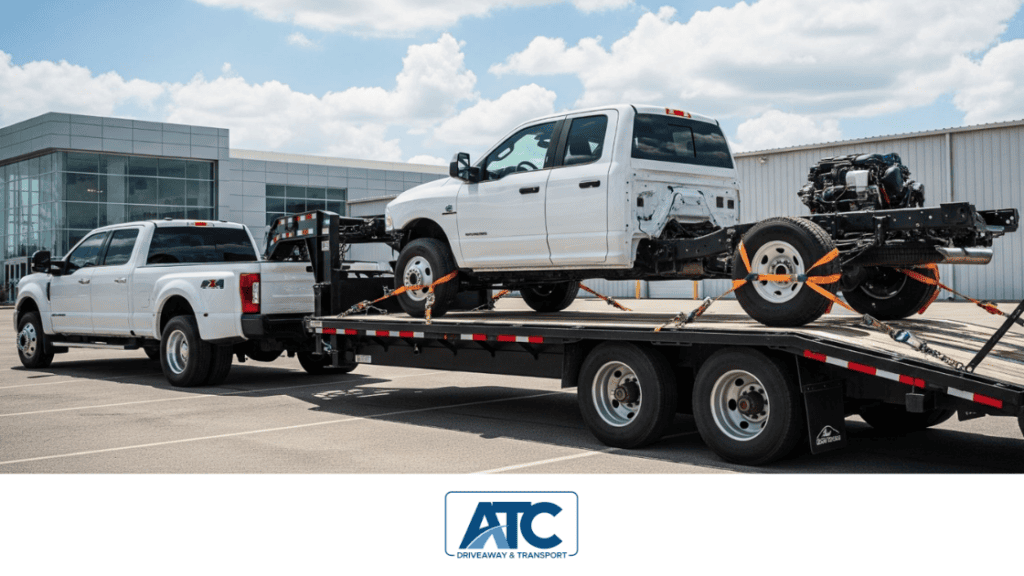
If you’re transporting trucks or equipment that exceed standard size or weight limits, you’ll need special permits for each state you cross. Requirements vary widely, so it’s crucial to plan ahead.
6. Trip and Fuel Permits
If your truck isn’t IFTA or IRP registered, you’ll need temporary trip and fuel permits for one-off or short-term operations. These allow you to operate legally in specific states without complete registration.
7. Unified Carrier Registration (UCR)
This annual registration is required for all carriers operating in interstate commerce, including private carriers and brokers. It verifies active insurance coverage and ensures you operate legally across state lines.
Plan Ahead to Avoid Delays
Permit delays can cost you time, money, and client trust. Working with a logistics partner or fleet transport specialist can help you navigate state and federal requirements more efficiently.
At ATC, we handle cross-state fleet relocation and logistics daily. Our experts ensure your vehicles have every permit they need before the first tire hits the road, so you avoid compliance headaches and keep your operation moving forward.
Don’t Let Permits Slow You Down
If your business depends on transporting trucks across state lines, securing the right truck permit to cross state lines is non-negotiable. From IFTA and IRP to oversized permits and UCR registration, each requirement plays a role in staying compliant and on schedule.
Need help navigating the red tape? Contact ATC today for expert support in moving your fleet legally and efficiently across state lines.